
Texas Homeowners Insurance Quotes Guide
If you own a home in Texas, your homeowners insurance is doing a lot of heavy lifting. It protects you from hail, wind, fire, theft, liability, and more in one package. But shopping for a policy quote can feel confusing, especially when companies give you very different prices for what sounds like the same coverage.
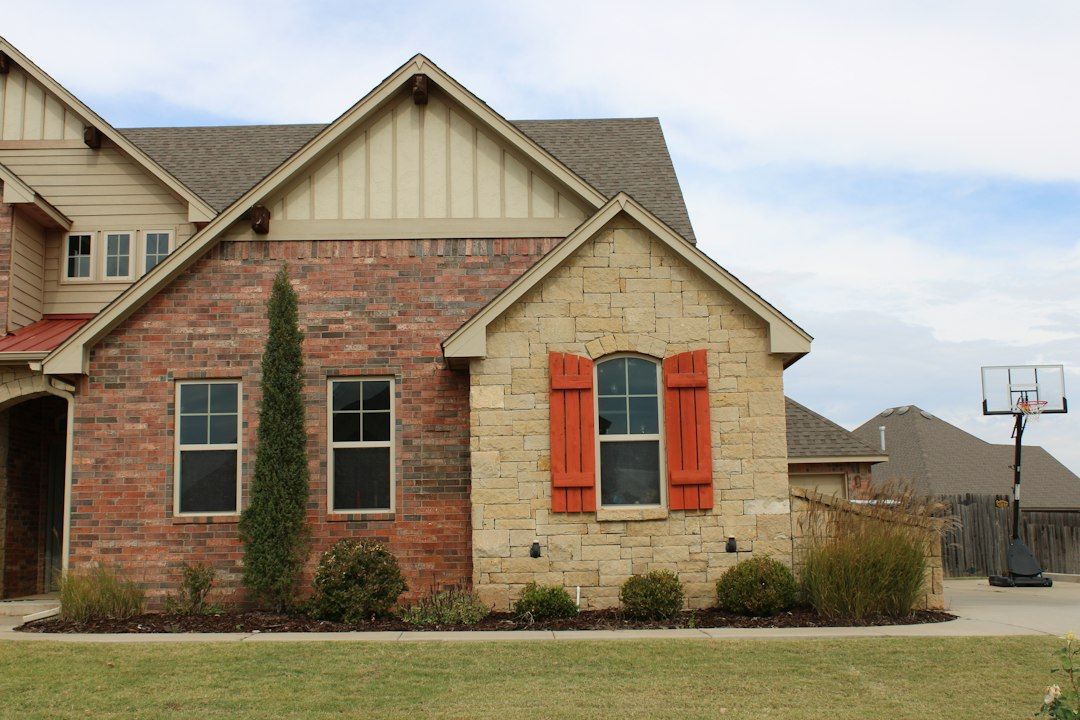
Understanding homeowners insurance quotes in Texas
If you own a home in Texas, your homeowners insurance is doing a lot of heavy lifting. It protects you from hail, wind, fire, theft, liability, and more, in one package. But shopping for a homeowners insurance policy quote can feel confusing, especially when different companies give you very different prices for what sounds like the same coverage.
The good news: if you know what to look for, getting solid home insurance quotes and comparing them is very manageable. In this guide, I will walk you through how to get homeowners and house insurance quotes, how to compare them wisely (online and with a local agent), and practical ways to save without cutting important coverage.
Why Texas homeowners insurance quotes vary so much
Texas has some of the most volatile home insurance pricing in the country. According to data from the National Association of Insurance Commissioners (NAIC), Texas consistently ranks among the higher-cost states for homeowners premiums because of severe weather and high catastrophe losses.
Here are the main reasons your home insurance policy quotes can be all over the map.
Texas weather and “hazard” risk
When you see references to homeowners hazard insurance quotes, that usually just means standard homeowners insurance that covers certain perils (or “hazards”) such as:
-
Wind and hail
-
Tornadoes and thunderstorms
-
Fire and lightning
-
Theft and vandalism
-
Some types of water damage (but not flood from rising water) Texas is especially exposed to:
-
Hail and wind in North and Central Texas
-
Hurricanes and tropical storms on the Gulf Coast
-
Tornadoes in multiple regions
-
Wildfire in some rural and Hill Country areas Insurers price your homeowners insurance quote based heavily on your ZIP code and local claim history.
Home characteristics
Two houses on the same street can generate very different home insurance quotes. Carriers look at:
- Year built and square footage
- Construction type (brick, frame, masonry)
- Roof age and material
- Updates to electrical, plumbing, and HVAC
- Distance to a fire station and hydrant
- Presence of a pool, trampoline, or wood stove
- Security features (monitored alarm, deadbolts, impact-resistant roof) Anything that reduces the chance or size of a claim can lower your insurance quotes for home insurance.
Coverage choices and deductibles
Your choices matter just as much as the house itself:
- Dwelling limit: What it would cost to rebuild your home, not what you paid for it
- Personal property limit: What it costs to replace your belongings
- Liability limit: Protection if you are sued for injuries or property damage
- Deductible: How much you pay out of pocket before insurance kicks in In Texas, many policies have separate percentage deductibles for wind/hail or named storms. A higher deductible usually leads to better home insurance prices, but it also means a larger out-of-pocket bill when something happens.
Your personal rating factors
Companies may also consider:
- Insurance-based credit score (where allowed by law)
- Your claims history
- Prior insurance gaps or cancellations
- Pets with bite history or high liability risk That is why two neighbors can request a home insurance quotation and see different results, even with the same insurer.
How to get a homeowners insurance quote in Texas
You have two main paths: get a home owners insurance quote online or work with a local independent agent. In practice, the best results often come from using both.
Step 1: Decide what you need to insure
Before you start collecting homeowners insurance policy quotes, think through:
- Do you live in the home full time, or is it a rental or vacation home?
- Do you have any detached structures (workshop, barn, guest house)?
- Do you own high-value jewelry, firearms, or collectibles that need special coverage?
- Do you have a pool, trampoline, or home-based business? If you have a condo, you may need an HO-6 policy instead of a standard homeowners policy. We explain that in more detail in our Texas Condo Insurance (HO-6) guide.
Similarly, if your home is a manufactured or mobile home, the coverage works differently than a standard home. Our Texas Manufactured & Mobile Home Insurance Guide can help you sort that out before you request quotes.
Step 2: Gather information for your quote
Most companies will ask for:
- Property address
- Year built and approximate square footage
- Roof age and material
- Any recent updates (roof, plumbing, electrical, HVAC)
- Foundation type
- Number of stories and bathrooms
- Safety features (smoke alarms, alarm system, fire extinguishers)
- Prior insurance carrier and current limits, if applicable
- Any past claims in the last 3-5 years Having this ready makes your homeowners insurance quote process quicker and more accurate.
Step 3: Get home owners insurance quotes online
Online tools are convenient for a quick baseline. You can:
- Visit individual carrier sites for a home owners insurance quote online
- Use comparison sites that show multiple house insurance quotes online at once
- Request insurance quotes for home insurance through independent agency websites Online quotes are great for speed, but they sometimes make assumptions about your home that need to be corrected later. Use them as a starting point, not the final word.
Step 4: Use a local independent agent for depth
As an independent agency, we work with multiple carriers, which lets us:
- Pull several home insurance policy quotes for the same information
- Fine-tune dwelling and personal property limits so they actually match your home
- Spot missing coverages that low-cost quotes often leave out
- Explain state of Texas homeowners insurance rules and market trends in plain English For most families, the sweet spot is to compare home insurance quotes from at least 3 to 5 reputable companies, and to review them with someone who can walk you through the differences.
How to compare home insurance quotes in Texas the right way
Price matters, but homeowners insurance quote comparison should go much deeper than the bottom line.
1. Compare coverages and limits
When you compare house insurance quotes, check:
- Dwelling (Coverage A): Is each company insuring your home for a realistic rebuild cost? Not just your mortgage amount.
- Other Structures (Coverage B): Sheds, detached garages, fencing.
- Personal Property (Coverage C): Often 50% to 70% of Coverage A, but you can adjust.
- Loss of Use (Coverage D): Pays for temporary housing if your home is unlivable after a covered loss.
- Liability (Coverage E): We usually recommend at least $300,000, often $500,000. Texas homeowners with significant assets or future income should consider a personal umbrella policy for extra liability protection. Our Texas Personal Umbrella Insurance Guide explains how that works.
2. Look closely at deductibles
When you compare home insurance quotes, pay special attention to:
- All-peril deductible (often a flat amount like $1,000 or $2,500)
- Wind/hail deductible (sometimes a percentage of Coverage A, such as 1% or 2%)
- Named storm or hurricane deductibles in coastal areas A quote that looks cheap may have a very high percentage wind/hail deductible. In one real-world case, a client saved about $300 per year by choosing a higher wind/hail deductible, but would have owed thousands more out of pocket when a hailstorm hit. We adjusted the structure so the savings matched their comfort level with risk.
3. Watch for key exclusions and endorsements
This is where many “too-good-to-be-true” home insurance insurance quotes fall apart.
Common Texas examples:
- Roof coverage changed from replacement cost to actual cash value (ACV)
- Cosmetic damage to roofs from hail excluded
- Limited or no coverage for foundation damage
- No water backup coverage for drains and sewers
- Limited coverage for jewelry, firearms, or business property As you complete your homeowners insurance quote compare exercise, look at endorsements and exclusions, not just the declarations page.
And remember: standard homeowners policies do not cover flood from rising water. For that, you need separate flood insurance. You can learn more in our Texas Flood Insurance Essentials and Texas Flood Insurance: 2025 Guide & Quotes.
4. Evaluate the company behind the quote
When you compare house insurance quotes, think beyond price:
- Financial strength ratings (such as AM Best)
- Claims reputation and complaint history (Texas Department of Insurance and Office of Public Insurance Counsel publish useful information)
- Local adjuster presence, especially in catastrophe-prone areas
- Availability of flexible payment options and online account management The best Texas home insurance for you is the one that will respond fairly and promptly when you need it most, not just the lowest premium on paper.
Smart ways to save on Texas home insurance quotes
Once you have a solid homeowners insurance quote comparison, there are several levers you can pull to lower your cost without stripping coverage.
Bundle with auto and other policies
One of the biggest discounts often comes from bundling. Many carriers offer meaningful savings when you place your:
- Homeowners
- Auto
- Umbrella
- Or even a boat or RV with the same company.
We go deeper into home and auto bundling strategies in our Texas Home & Auto Insurance Quotes: Bundle & Save guide.
Adjust deductibles thoughtfully
Raising your all-peril deductible from, say, $1,000 to $2,500 can meaningfully reduce your homeowners hazard insurance quotes. The key is to:
- Pick a number you could truly afford in an emergency
- Keep separate wind/hail or hurricane deductibles at a level that fits your risk tolerance and cash reserves Many of our clients aim for a deductible that would hurt a little, but not wreck their finances.
Improve your home’s risk profile
Carriers often reward risk-reducing improvements, such as:
- New impact-resistant roof
- Updated wiring, plumbing, and HVAC
- Monitored security system and smoke alarms
- Fire extinguishers and deadbolt locks I have seen Texas homeowners cut their home insurance quotes by hundreds of dollars per year after replacing an old roof and updating outdated electrical systems.
Maintain good credit and claims discipline
In Texas, many insurers use credit-based insurance scores within regulatory limits. Paying bills on time and reducing debt can help your house insurance home insurance quotes over the long run.
Also, think carefully before filing small claims. A pattern of frequent claims, even if minor, can raise your home owners insurance quotes or limit your options with better companies later.
Shop periodically, but not constantly
It is wise to review your home owners insurance in Texas every year with an agent, and to shop the market every few years or after major life changes. But jumping companies every single year for tiny savings can backfire if you miss continuity discounts or end up with a carrier that does not meet your expectations at claim time.
For a broader overview of how your home fits into your overall protection plan, you might also find our Texas Insurance Basics: Protecting Home, Auto, Life article helpful.
“Best Texas home insurance” is about value, not just price
When people search for the best Texas home insurance or the best home insurance prices, they are usually thinking about premium first. That is understandable, especially with rising costs. But as someone who has walked many families through major fire, hail, and storm claims, I can tell you:
The “best” policy is the one that keeps you whole after a loss, not the one that saved you $150 per year up front.
Here are a few patterns I see often:
- A very low house insurance in Texas quote that excludes or limits roof replacement, then leaves the homeowner with a huge surprise bill after a hailstorm.
- A cut-rate homeowners insurance in Texas policy with minimal loss of use coverage, forcing a family to pay most of their temporary housing costs out of pocket after a fire.
- A bare-minimum liability limit on a policy for a home with a pool, where an injury could easily exceed coverage and put assets and future income at risk. On the other hand, I have seen clients pay slightly more for a policy with stronger coverage and then have large six-figure claims handled smoothly because the coverage was set up correctly from day one.
So when you perform a homeowners insurance quote comparison, ask:
- What am I actually getting for this price?
- What risks am I accepting in exchange for the savings?
- If the worst-case scenario happened, would I be thankful I chose this policy? When you work with an experienced independent agency, we help you compare home insurance quotes and translate the fine print into real-life impact so you can make a confident decision.
Bringing it all together: taking control of your Texas homeowners quotes
Getting good homeowners insurance policy quotes in Texas does not have to be overwhelming. If you:
- Clarify what you need to protect
- Gather accurate information about your home
- Request multiple home insurance quotes, both online and through a local independent agent
- Carefully compare coverages, deductibles, and exclusions, not just prices
- Use smart strategies to improve your home’s risk profile and bundle where it makes sense you can usually land on a solid balance of protection and price.
Your house is likely one of your biggest investments. Treating your house insurance quotes as more than just a commodity purchase pays off the moment you have a serious claim.
BIG - Brock Insurance Group
At BIG - Brock Insurance Group, we have spent decades helping Texas families sort through confusing house insurance home insurance quotes and build protection that actually matches their lives. Because we are an independent agency, we are able to gather multiple home insurance policy quotes from top-rated carriers and walk you through a clear homeowners insurance quote compare process, line by line.
Whether you prefer a home owners insurance quote online as a starting point or a detailed review of your existing homeowners insurance in Texas, we are here to make the decisions easier and more transparent. Reach out to learn how we can help meet your needs. Let’s work together to achieve your goals and protect what matters most in your home.
Need coverage advice? Let’s talk.
Get a fast, no-pressure quote and guidance tailored to your needs.