
Texas Flood Insurance: 2025 Guide & Quotes
As an agent who's walked clients through floods from the Panhandle to the Gulf, I can tell you: homeowners insurance does not cover flood. FEMA says one inch of water can cause up to $25,000 in damage, and Texas faces both tropical surge and inland flash floods.
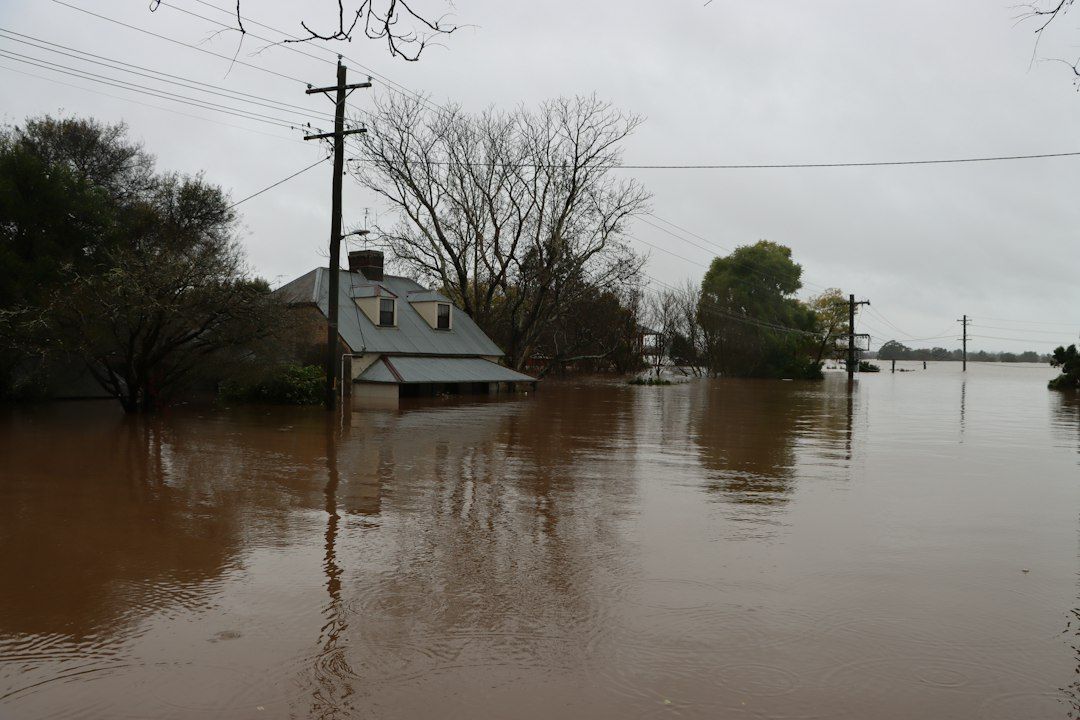
Why flood insurance in Texas matters in 2025
As an agent who has walked clients through floods from the Panhandle to the Gulf, I can tell you this: homeowners insurance does not cover flood. FEMA notes that just one inch of water can cause up to 25,000 dollars in damage, and Texas sees both tropical surge and inland flash floods. If you own or rent a home, condo, or small business in Texas, understanding how texas flood insurance works in 2025 will save you time, money, and stress. Below, I explain NFIP Texas vs private flood insurance, how Risk Rating 2.0 shapes flood insurance rates Texas, what FEMA flood maps Texas really mean, and how TWIA windstorm intersects with flood risk on the coast.
Texas flood insurance basics for homes, condos, renters, and small businesses
Flood insurance in Texas is available through two markets: the National Flood Insurance Program, run by FEMA, and a growing private market. Both can be excellent options depending on your address, building construction, and budget.
What NFIP Texas covers and its caps
-
Residential building coverage up to 250,000 dollars and contents up to 100,000 dollars.
-
Small business building coverage up to 500,000 dollars and contents up to 500,000 dollars.
-
Separate deductibles apply to building and contents. Typical choices range from 1,000 to 10,000 dollars.
-
Increased Cost of Compliance coverage up to 30,000 dollars if your substantially damaged home in a Special Flood Hazard Area must be elevated, relocated, or demolished to meet local code. What NFIP does not cover
-
Additional living expense or loss of use if you must move out during repairs.
-
Business income or extra expense for commercial locations.
-
Most finished items in basements and below-grade areas. There is limited coverage for essential equipment like furnaces and water heaters.
-
Landscaping, decks, pools, fences, and vehicles. Flooded vehicles are typically covered under comprehensive auto.
-
Gradual seepage, mold unrelated to a covered flood, and earth movement. Waiting period and lender rules
-
Standard NFIP waiting period is 30 days.
-
No waiting period when coverage is required by a lender in connection with making, increasing, extending, or renewing a loan.
-
A 1-day waiting period may apply for policies purchased within 13 months after a FEMA map revision that newly places your property in a high-risk zone.
-
Lenders must require flood insurance for buildings in Special Flood Hazard Areas when there is a federally backed or regulated loan. The required limit is generally the least of the loan balance, NFIP maximum, or the building’s insurable value. Private flood insurance Texas
-
Often offers higher building limits, optional replacement cost on contents, additional living expense, business income, broader basement coverage, and flexible deductibles.
-
Waiting periods can be shorter, although lender-required purchases can still be effective at closing.
-
Underwriting can be more selective than NFIP, and pricing can change after large events. If you are new to the topic, our plain-English walk-through is a great place to start: see our quick primer in Texas Flood Insurance Essentials.
NFIP Texas vs private flood insurance Texas: coverage choices that fit real properties
NFIP gives predictable terms and community-wide availability. Private carriers can tailor coverage, especially where values exceed NFIP caps. Here are practical scenarios I see most often.
Example 1: Single-family home near a bayou in Harris County
-
Situation: A 1978 slab-on-grade home, replacement cost 450,000 dollars, Zone AE, first-floor height at Base Flood Elevation.
-
NFIP fit: Building limit capped at 250,000 dollars. Contents up to 100,000 dollars. No additional living expense.
-
Private fit: Building limit up to full replacement cost, optional replacement cost on contents, plus additional living expense.
-
Decision point: If the mortgage requires only building coverage, an NFIP policy can satisfy the lender. If you want to insure the full replacement value and have temporary housing coverage after a claim, a private policy can close those gaps. Example 2: Renter in Austin
-
Situation: Second-floor apartment in a building close to Shoal Creek.
-
NFIP fit: Contents-only policy up to 100,000 dollars. Building coverage is not needed for renters.
-
Private fit: Some carriers offer contents-only flood coverage with replacement cost and optional coverage for loss of use.
-
Decision point: Renters often choose NFIP contents coverage to protect furniture and electronics at a manageable premium. Private coverage may add loss of use. Example 3: Small manufacturer in San Marcos
-
Situation: 1.2 million dollar building plus 800,000 dollars in equipment near the Blanco River.
-
NFIP fit: Building up to 500,000 dollars and contents up to 500,000 dollars. No business income.
-
Private fit: Higher building and contents limits plus optional business interruption.
-
Decision point: Many businesses pair an NFIP policy with a supplemental private policy or go fully private for larger limits and business income. To understand how business income works alongside flood, see Business Income and Extra Expense: Texas Essentials and our broader Texas Business Owners Policy Guide. Condo associations and unit owners
-
Associations often buy an NFIP Residential Condominium Building Association Policy, which insures common elements up to 250,000 dollars times the number of units.
-
Unit owners should coordinate their HO-6, flood, and the association’s master policy to make sure interior finishes and improvements are covered correctly. Our Texas Condo Insurance (HO-6) guide explains how the pieces fit. For commercial-only flood guidance, we have a deeper dive at Texas Commercial Flood Insurance: 2025 Guide.
Pricing and eligibility in 2025: Risk Rating 2.0, elevation, and mitigation
Risk Rating 2.0 is FEMA’s modern methodology for NFIP pricing. Instead of relying mainly on your map zone, it uses more granular data to set flood insurance rates Texas property by Texas property.
What Risk Rating 2.0 considers
-
Flood frequency and severity from multiple perils such as riverine flooding, storm surge, and heavy rainfall.
-
Distance to water sources and types of flood hazards affecting your parcel.
-
Elevation of the first floor relative to local flood levels and the Base Flood Elevation.
-
Foundation type, number of floors, presence of enclosures, and flood openings.
-
Replacement cost value of the structure.
-
Claim history and community-level mitigation. Two consumer protections are worth noting:
-
Federal law generally caps annual NFIP premium increases for primary residences at 18 percent. Certain policy types, such as non-primary residences, can see higher caps.
-
If your community participates in FEMA’s Community Rating System, you receive a discount that can range from 5 percent to 45 percent based on the community’s class. What we see on the ground
-
Elevation matters. Even a modest increase in first-floor height relative to BFE can meaningfully reduce premiums under Risk Rating 2.0.
-
Elevation Certificates are not required for NFIP rating under Risk Rating 2.0, but they can still help refine pricing by accurately capturing first-floor height and foundation details.
-
Mitigation pays over time. Actions that can lower premiums and vulnerability include:
-
Adding compliant flood openings in crawlspaces or enclosures
-
Elevating electrical panels, HVAC, and water heaters above expected flood levels
-
Installing backflow valves
-
Anchoring fuel tanks
-
Elevating or floodproofing critical equipment for small businesses Map changes and Texas-specific planning
-
FEMA flood maps Texas are evolving. Many updates incorporate NOAA Atlas 14 rainfall data, which increased design rain rates in large parts of Texas.
-
The Texas Water Development Board’s regional flood planning helps communities prioritize projects that reduce risk. As mitigation projects come online, Community Rating System scores can improve and policyholders may see discounts.
-
Remember that map zones still drive lender requirements. Even though Risk Rating 2.0 prices by property, being in an A or V zone will still trigger mandatory purchase for many loans. For an insurance overview beyond flood, see our high-level Texas Insurance Basics.
How to read FEMA flood maps Texas and satisfy lenders
Checking your map zone is straightforward and helps you make better decisions, even under Risk Rating 2.0.
Step-by-step
-
Go to FEMA’s Map Service Center and search your address.
-
Open the Effective FIRM panel. Note your flood zone, panel number, and the Base Flood Elevation if shown.
-
If Preliminary maps exist, review them too. Lenders use Effective maps, but Preliminary maps foreshadow changes.
-
Ask your local floodplain manager if there are Letters of Map Amendment or Revision in your area.
-
If your lowest adjacent grade or first-floor height is above the BFE, talk with your surveyor or agent about whether an Elevation Certificate could help with pricing or support a map amendment. What the common zones mean
-
Zones A and AE are high risk with a 1 percent annual chance flood, often called 100-year flood.
-
Zones V and VE indicate coastal wave action in addition to storm surge.
-
Zone X is moderate to low risk. Shaded X indicates 0.2 percent annual chance flooding, sometimes called 500-year flood. Why this matters
-
Lenders must require flood insurance for buildings in A and V zones on federally backed loans.
-
Even outside high-risk zones, FEMA has reported that a significant share of NFIP claims occur in lower-risk areas. Buying flood insurance in Zone X is often affordable compared with the potential loss. If you run a business and want a map-to-coverage checklist, our Commercial Flood Insurance guide walks through underwriting requirements and documentation.
On the Texas coast: TWIA windstorm vs flood and how to avoid gaps
The Texas Windstorm Insurance Association, or TWIA, provides wind and hail coverage in designated coastal counties when private carriers decline. TWIA does not cover flood or storm surge. Surge is considered flood under NFIP and private flood policies.
Coastal coverage tips we give clients
- Pair TWIA for wind with an NFIP or private flood policy for rising water. Hurricanes bring both perils.
- Coordinate deductibles across policies. Choose amounts you can afford to pay together if both wind and flood happen in the same event.
- Understand anti-concurrent causation language in your homeowners policy. When wind and flood both cause damage, claims can get complex. Lining up TWIA, homeowners, and flood correctly reduces friction.
- Consider an umbrella for liability, but do not expect it to cover flood damage to your property. For a quick refresher on liability umbrellas, see Umbrella Insurance in Texas Explained. TWIA advisories, local building codes, and FEMA guidance change. Your policy should keep up as you renovate, elevate, or re-roof.
Quotes, timing, and how to get the best value on flood insurance TX
The most common surprise is the waiting period. If you are not closing a loan, plan for the NFIP 30-day wait. Private carriers may have shorter waits, but it varies.
How to get accurate quotes quickly
- Property address and any prior flood losses
- Year built, number of floors, foundation type, and any enclosures
- First-floor height or Elevation Certificate if available
- Distance to major water sources if known
- Replacement cost estimate for the structure
- Occupancy details primary, secondary, tenant, or commercial
- Desired deductibles and whether you want contents coverage
- Photos of the exterior and mechanical systems We typically model both NFIP and private options side by side. If you own multiple locations or vehicles in Texas, you may also find our risk tips for businesses helpful in Texas Commercial Auto Insurance Guide.
Claims and documentation
- After a flood, document damage promptly. NFIP requires a Proof of Loss within 60 days, though FEMA can extend deadlines for major disasters.
- Keep receipts if you buy supplies to protect or move property to safety. NFIP includes limited loss avoidance reimbursement.
Bottom line for texas flood insurance in 2025
Texas flood risk is dynamic, and so is the insurance marketplace. NFIP remains the baseline with clear caps and community-wide access, while private flood insurance Texas options can deliver higher limits, additional living expense or business interruption, and flexible deductibles. Pricing under Risk Rating 2.0 rewards elevation, distance from water, and mitigation, and your community’s CRS class may add a discount. Use FEMA flood maps Texas to understand lender requirements and your baseline risk, and coordinate TWIA windstorm carefully on the coast. A thoughtful plan makes recovering from a flood financially survivable instead of financially devastating.
Calahan Insurance Agency
Ready to take the next step? Contact us today to discuss how we can help you achieve your goals and receive personalized support tailored just for you. Don’t miss out on the opportunity to transform your vision into reality.
If you own a home, condo, rental, or small business in Texas, we will compare NFIP Texas and private flood options, explain Risk Rating 2.0 in plain English, and help you pick limits and deductibles that fit your budget. We can also coordinate flood with TWIA windstorm, your homeowners or BOP, and any lender requirements so you avoid gaps. Reach out for a no-pressure review and same-day quotes in most cases. We are here to make you smarter about your insurance and better protected when the water rises.
Need coverage advice? Let’s talk.
Get a fast, no-pressure quote and guidance tailored to your needs.