
Texas Flood Insurance Essentials
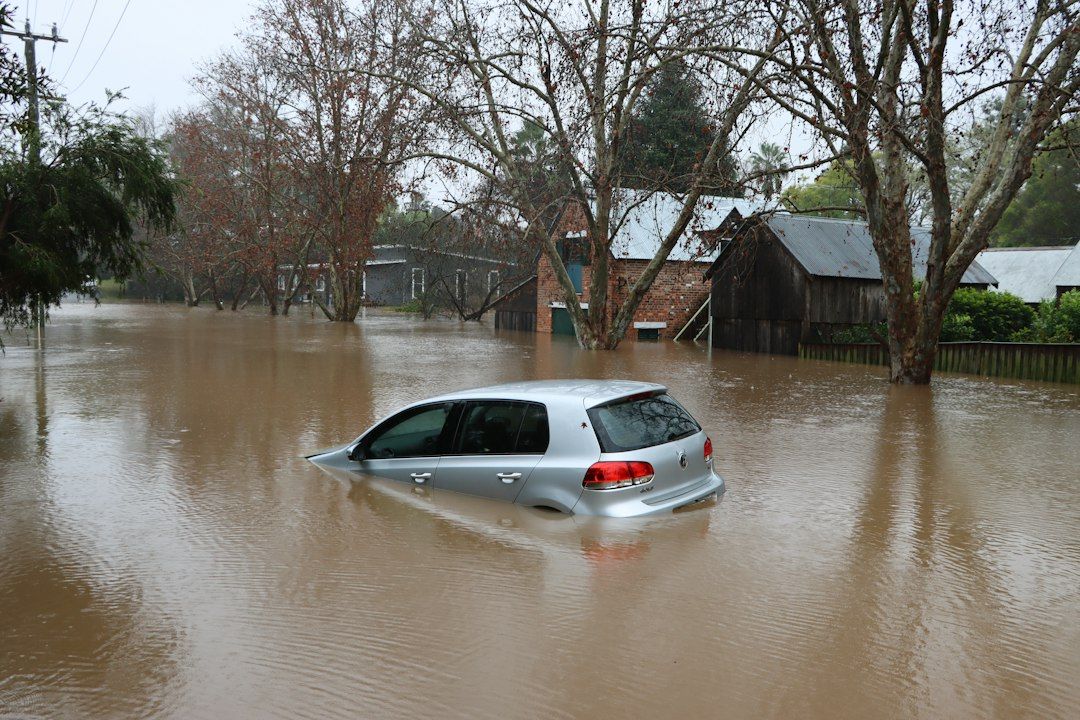
Hurricane Harvey reminded Texans that flooding is not just a coastal problem. Nearly 25 percent of flood claims filed with the National Flood Insurance Program come from areas designated low to moderate risk. Yet most homeowners policies in Texas exclude flood damage entirely.
Introduction
Hurricane Harvey reminded Texans that flooding is not just a coastal problem. Nearly 25 percent of flood claims filed with the National Flood Insurance Program come from areas designated low to moderate risk. Yet most homeowners policies in Texas exclude flood damage entirely. As an agent guiding families from Houston to Lubbock, I field daily questions about who needs flood insurance, how it works, and what it costs. Below you will find clear answers, backed by FEMA data and real claim examples, so you can decide whether a separate flood policy belongs in your protection plan.
Why Standard Policies Fall Short
Flood loss is defined by FEMA as “an excess of water on land that is normally dry,” and that peril is specifically excluded from standard homeowners and renters policies. The gap is huge when you consider these figures:
- Floods are the most common natural disaster in Texas, accounting for more than $6 billion in insured losses from 2017 to 2023, per the Texas Water Development Board.
- One inch of water can cause about $25,000 in damage to a single-family home, according to FEMA’s cost estimator.
- Forty percent of FEMA flood claims since 1978 came from properties outside the mapped high-risk zones. Private carriers offer limited flood products, but most Texans still buy through the National Flood Insurance Program (NFIP), created by Congress in 1968. NFIP policies cap building coverage at $250,000 for residential structures and $100,000 for contents. Recent reforms, known as Risk Rating 2.0, now price each property using distance to water, elevation, and prior claims rather than broad zone maps. The goal is fairer, more actuarial pricing, though some premiums have risen as a result.
How a Flood Policy Works in Practice
Building Coverage
Pays to repair structural elements: foundation, electrical systems, HVAC, built-in appliances, and permanently installed flooring. Detached garages get limited automatic coverage up to 10 percent of the building limit.
Personal Property (Contents)
Covers furniture, clothing, electronics, and portable appliances. Contents limits can be purchased up to $100,000 for residential and require a separate deductible from the building portion.
Case Study: During the 2021 Central Texas Memorial Day floods, a Round Rock homeowner with $200,000 building and $70,000 contents coverage received $168,400 for structural repairs and $38,700 for damaged possessions. Without flood insurance, FEMA’s individual assistance would have been capped under $40,000, leaving a six-figure shortfall.
Waiting Period
NFIP imposes a 30-day waiting period before new policies activate, preventing last-minute purchases ahead of storms. Exceptions apply for loan closings or map revisions that newly classify a property as high risk.
Deductibles
Separate building and contents deductibles typically range from $1,000 to $10,000. Choosing higher deductibles lowers premium but increases out-of-pocket costs.
Practical Insights and Money-Saving Tips
Evaluate Your True Risk
FEMA maps are a starting point, yet they may be dated. I often cross-check with:
- NOAA rainfall data showing local drainage limitations
- Historical claim density from NFIP’s open data portal
- Municipal floodplain development permits If you discover repeated street flooding or nearby creek overtops, you likely need coverage even in a “Zone X” area deemed moderate risk.
Compare NFIP vs Private Flood
Private insurers have entered the Texas market, offering:
- Higher building limits (up to $2 million)
- Replacement cost on contents
- Shorter or no waiting periods However, private policies may impose coverage moratoriums once a named storm enters the Gulf of Mexico. Review both options annually.
Elevation Certificates Can Cut Costs
Homes built after 1974 with favorable elevations qualify for lower NFIP premiums once an elevation certificate is submitted. In Galveston County, we routinely save clients 15 to 40 percent after updating their elevation data.
Maintain Loss-Mitigation Measures
Installing flood vents, raising major utilities above base flood elevation, and keeping gutters clear not only reduce risk but may unlock NFIP Community Rating System discounts. Over 100 Texas municipalities currently participate, delivering up to 25 percent premium reductions.
Do Not Rely on Federal Disaster Aid
FEMA grants are designed to make a home habitable, not whole. Loans from the Small Business Administration must be repaid with interest. Flood insurance remains the only reliable way to fully fund reconstruction.
Looking Ahead
Climate modeling from Texas A&M University projects a 20 percent increase in extreme rainfall events by 2050. Risk Rating 2.0 will keep adjusting premiums annually, rewarding properties that mitigate exposure while charging more for repetitive loss homes that decline improvements. We also expect broader adoption of parametric flood products, which pay a preset amount when river gauges hit certain levels. These can complement NFIP by providing cash within days, not weeks, of a flood.
For most homeowners, a blended strategy works best: maintain NFIP or private flood for structural losses, then bolster emergency liquidity with a dedicated savings account or parametric rider to cover living expenses during repairs.
Final Thoughts
Flood insurance is not just for coastal mansions. From the Hill Country’s flash floods to North Texas’ swollen creeks, water respects no zone line. A well-chosen flood policy can mean the difference between a quick rebuild and years of financial recovery. Evaluating your property’s true exposure and comparing coverage options each renewal will keep your plan current and cost-effective.
Brock Insurance Group
We specialize in helping Texans understand their hidden flood risks and securing the right protection before the clouds gather. Brock Insurance Group compares NFIP and private flood markets, explains every deductible in plain language, and identifies municipal discounts that may lower your premium. Our local agents also coordinate elevation certificates and outline mitigation steps that pay for themselves. Whether you just closed on a starter home in Austin or own a legacy ranch along the Brazos, we will craft a flood solution tailored to your budget and terrain. Reach out to Brock Insurance Group today for a complimentary risk review and quote, and shield your home from the next heavy rain.
Need coverage advice? Let’s talk.
Get a fast, no-pressure quote and guidance tailored to your needs.