
Texas Insurance Basics: Protecting Home, Auto, Life
If you live in Texas, insurance is more than a legal formality, it is a financial lifeline when a hailstorm dents your roof or a fender bender disrupts your commute. After two decades guiding Texans through policy fine print, I'm often asked the same questions about essential coverages and rising premiums.
Introduction
If you live in Texas, insurance is more than a legal formality, it is a financial lifeline when a hailstorm dents your roof or a fender bender disrupts your commute. As a broker who has spent two decades guiding Texans through policy fine print, I am often asked the same questions: Which coverages are truly essential, why are premiums climbing, and how can families keep costs under control? You will find clear answers below, backed by state data and everyday examples from right here in the Lone Star State.
The Texas Insurance Landscape
Texas is the second-largest insurance market in the nation, accounting for roughly 6 percent of all U.S. premiums, according to the Insurance Information Institute’s 2023 report. Several factors shape our market:
-
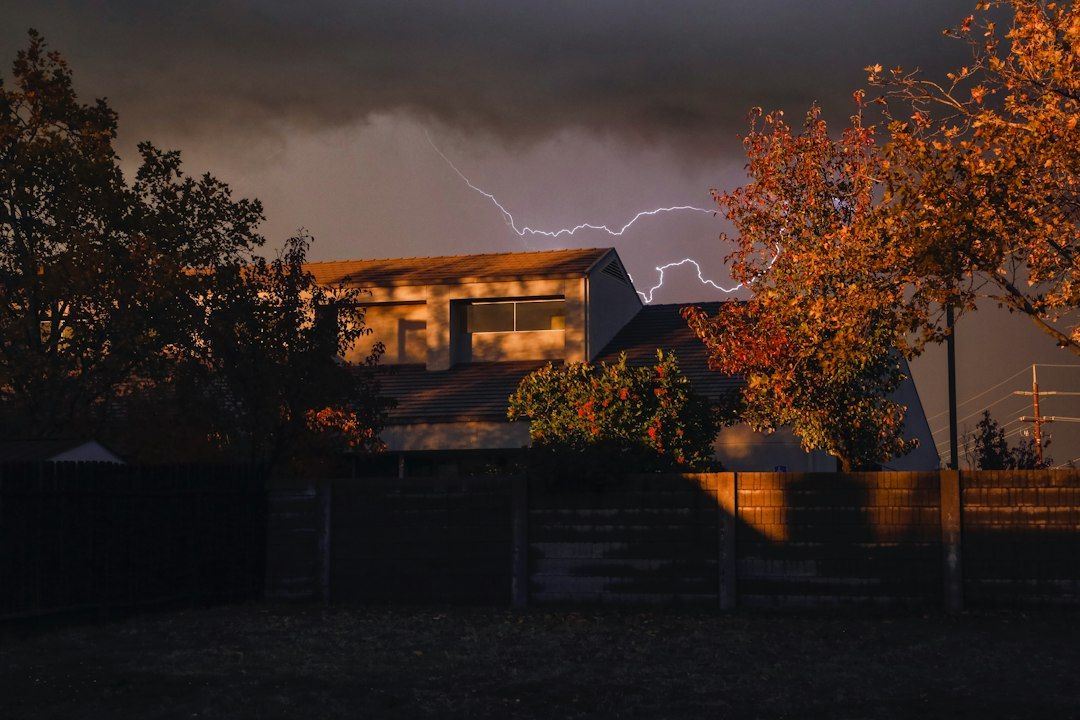
Severe weather frequency Texas leads the country in hail claims and ranks near the top for tornado and hurricane losses. The Texas Department of Insurance (TDI) estimates that wind and hail caused more than $10 billion in insured losses statewide in 2022 alone.
-
Rapid population growth The U.S. Census Bureau shows Texas adding nearly 470,000 residents in 2023, placing steady pressure on housing, auto traffic, and in turn, insurers’ loss projections.
-
Litigation trends “Storm-chasers” and roof-repair lawsuits have contributed to rising claim severity. A 2022 study by the National Association of Mutual Insurance Companies found Texas lawsuit costs added 5 to 15 percent to average homeowner premiums.
Because of these dynamics, carriers have tightened underwriting guidelines, adjusted deductibles, and refined rate models. Despite headlines about rising prices, Texans still benefit from a competitive environment: more than 200 admitted insurers offer home or auto policies in the state. Shopping smartly remains the best defense against sticker shock.
Core Coverages Every Texan Should Understand
Homeowners Insurance
A standard Texas Homeowners Policy, sometimes called HO-3, covers your dwelling, personal property, additional living expenses, and liability. Two details deserve special attention:
-
Wind and hail deductibles Most carriers use a separate deductible listed as a percentage of dwelling value, typically 1 to 2 percent. On a $350,000 home, a 2 percent wind deductible equals $7,000 out of pocket before the policy pays a dime.
-
Roof settlement provisions Actual cash value (ACV) means depreciation is deducted, while replacement cost value (RCV) pays the full cost of a new roof. We see an uptick in ACV offers, so verify which approach your quote uses.
Case Study: After the April 2023 hailstorm in McKinney, two clients with identical shingle roofs received very different checks. The RCV policy covered the $14,200 roof replacement minus a $3,500 deductible. The ACV policyholder received $6,900 after depreciation, then paid the remaining $4,300 plus the same deductible. That $4,700 gap illustrates why policy language matters as much as premium.
Auto Insurance
Texas mandates only liability coverage: at least $30,000 per injured person, $60,000 per accident, and $25,000 for property damage. Given today’s medical and repair costs, those limits are often insufficient.
-
Uninsured/underinsured motorist (UM/UIM) Roughly 1 in 8 Texas drivers lack insurance, TDI reports. UM/UIM steps in when they hit you. I recommend matching it to your liability limit.
-
Comprehensive and collision Essential if you finance or lease a vehicle. With Texas auto thefts topping 95,000 in 2023, per the National Insurance Crime Bureau, skipping comprehensive can be a costly gamble.
Life Insurance
With median Texas household income at $73,000, most families cannot absorb the sudden loss of a breadwinner. Term life coverage equal to 10 times annual income plus remaining mortgage balance is a practical starting point. Policies remain surprisingly affordable, especially for applicants under 40 who maintain average health.
Practical Insights and Money-Saving Tips
Bundle, But Verify
Bundling home, auto, and umbrella policies can trim 10 to 25 percent, yet not all bundles are priced equally. We routinely quote separate carriers when one coverage spikes after a claim. Ask your agent to run “unbundled” comparisons every renewal.
Elevate Your Deductible Wisely
Raising a wind deductible from 1 percent to 2 percent can cut homeowner premiums about 6 to 8 percent, based on recent North Texas filings. However, keep a dedicated emergency fund so the higher out-of-pocket cost never blindsides you.
Harden Your Home
Roof-impact shingles, smart water-leak sensors, and Class A fire-rated materials often trigger additional discounts. In our practice, we see savings of up to 5 percent on homes that submit a fortified roof certificate after installation.
Usage-Based Auto Programs
Most major carriers now offer telematics that track mileage, braking, and speed through a mobile app or plug-in device. Drivers logging fewer than 7,500 miles annually or demonstrating smooth habits can save 15 to 30 percent. Privacy concerns are valid, yet the data is typically limited to driving behavior and stored securely per state regulations.
Know When to File a Claim
Every claim enters the Comprehensive Loss Underwriting Exchange (CLUE) and can affect rates for five years. We advise filing only when damage exceeds your deductible by at least $1,500 on auto, and by $3,000 on homeowners, unless liability is involved. Insurers reward low-frequency claim histories with preferred pricing tiers.
What Lies Ahead for Texas Policyholders
Climate researchers at Texas A&M University forecast a 10 to 15 percent increase in severe thunderstorm days by 2030. Carriers are already modeling that uptick, which could nudge homeowner premiums 3 to 6 percent annually even if inflation cools. Simultaneously, advances in predictive analytics allow insurers to price risk at the individual property level. Expect more granular, behavior-based pricing and incentive programs.
On the auto side, the spread of advanced driver-assistance systems (ADAS) will eventually curb collision frequency, yet their expensive sensors make each repair costlier today. The Highway Loss Data Institute notes average ADAS-equipped bumper repairs exceed $3,000, about 2.5 times a non-ADAS bumper. Over the next five years we foresee a balancing act: fewer accidents but higher severity, producing modest premium growth rather than steep drops.
Finally, digital servicing will continue its march. Texas policyholders already file 65 percent of auto claims via mobile apps, per J.D. Power’s 2023 customer survey. Enhanced self-service is convenient, yet a local adviser remains invaluable when you face complex losses or need impartial counsel.
Wrapping Up
Insurance in Texas is evolving against a backdrop of volatile weather, rising construction costs, and rapid technological change. By understanding key policy features, maintaining cautious claim habits, and leveraging smart discounts, families can keep coverage robust without breaking the bank. As professionals immersed in this market, we have seen firsthand how informed choices protect both wallets and peace of mind. Remember, the best policy is not always the cheapest but the one that stands tall when the unexpected strikes.
Brock Insurance Group
Ready to see how these insights translate into real savings and stronger coverage for your family? Brock Insurance Group has helped thousands of Texans navigate the complexities of home, auto, and life insurance with clarity and confidence. Our licensed advisers compare dozens of top-rated carriers, tailor deductibles to your comfort zone, and identify every discount you deserve. Whether you are buying your first house in Austin, upgrading vehicles in Dallas, or simply want a fresh set of eyes on existing policies, we are here to advocate for you. Call or visit our Texas office today, and let us craft a protection plan that works as hard as you do.
Need coverage advice? Let’s talk.
Get a fast, no-pressure quote and guidance tailored to your needs.