
Texas Commercial Flood Insurance: 2025 Guide
One inch of water can cause more than $25,000 in damage, according to FEMA. I’ve seen that play out in claims files from Houston to the Hill Country. Whether a retail shop by a bayou, Gulf Coast mixed‑use, or a riverside industrial yard, commercial flood coverage is the backstop that keeps doors open after floods.
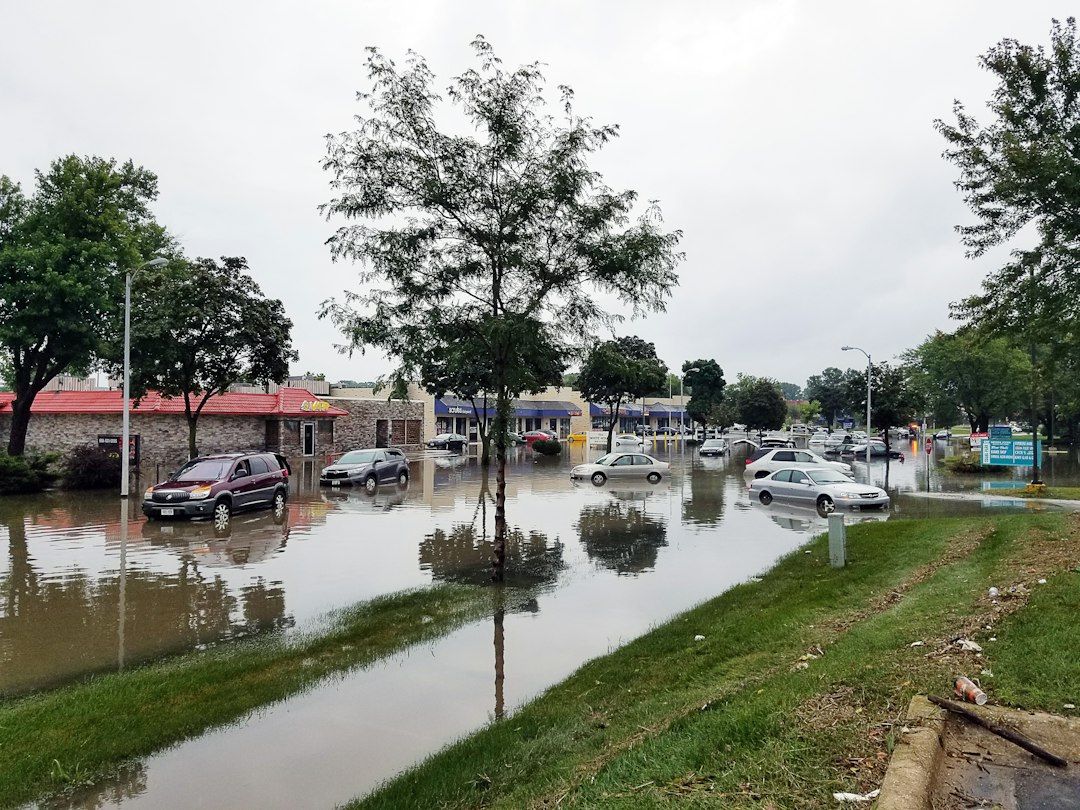
Why flood protection matters for Texas businesses in 2025
One inch of water can cause more than 25,000 in damage, according to FEMA. I have seen that play out in real claims files, from Houston to the Hill Country. Whether you run a retail shop near a bayou, manage a mixed-use building on the Gulf Coast, or own an industrial yard along a river, commercial flood coverage is the financial backstop that keeps doors open after the water recedes. In this 2025 guide, I break down business flood insurance in Texas, how NFIP and private options differ, and what lenders and leases actually require for retail, office, industrial, and multifamily properties.
The landscape: NFIP vs private flood for Texas businesses
Texas sees flooding from multiple sources: tropical systems, stalled thunderstorms, rapid runoff on clay soils, and riverine overflow. FEMA’s move to Risk Rating 2.0 modernized pricing nationwide by factoring distance to water, expected flood frequency, replacement cost, and first floor height. That change continues to shape Texas pricing in 2025. Here is the big picture.
- NFIP basics for businesses. The National Flood Insurance Program is the default option that satisfies the federal mandatory purchase requirement for buildings in Special Flood Hazard Areas when there is a federally backed loan. NFIP covers direct physical loss by flood, which FEMA defines as a general and temporary condition of partial or complete inundation of normally dry land. NFIP policies are standardized, widely accepted by lenders, and claim handling is consistent across the country.
- Private commercial flood market. Private carriers in Texas offer alternatives or supplements to NFIP. The strongest advantages are higher limits, broader coverage options like business income and ordinance or law, more competitive pricing for some risks, and faster underwriting. Since 2019, federal banking regulators require lenders to accept qualifying private flood policies that meet the statutory definition. That opened the door for many Texas businesses to secure better-fit coverage, especially for large schedules, mixed-use, or higher-value properties.
- What your property policy does not do. Standard commercial property and BOP policies exclude flood. If you rely on that policy alone, rising water is not covered. For a refresher on what your base policy includes and excludes, see our guide on BOP coverage and exclusions. For income protection concepts and how they apply when you add flood endorsements, our overview of business income and extra expense is a helpful companion.
- Waiting periods. NFIP has a 30-day waiting period in most cases. There are exceptions for loan closings, map changes, and some recently affected wildfire areas where heightened flood risk follows burn scars. Many private flood policies shorten or waive the wait for loan closings or midterm rollovers.
- Claim outcomes and SBA loans. After major Texas floods, the Small Business Administration offers low-interest disaster loans for physical damage and economic injury. Those loans help, but they must be repaid. Insurance claim dollars do not. FEMA, the Texas Department of Insurance, and the SBA all emphasize that flood insurance is the primary funding source businesses can rely on for rebuilding after a loss. For a fundamental primer tailored to the state, bookmark our digest of Texas flood insurance essentials.
Coverage details that matter for Texas commercial flood
NFIP commercial flood Texas: limits, deductibles, and classifications
The NFIP treats non-residential and other residential buildings differently.
- Non-residential buildings. This includes retail, office, industrial, warehouses, and hotels. The NFIP maximum building limit is 500,000 per building. The maximum contents limit is 500,000 for business personal property. Deductibles apply separately to building and contents and typically range from 1,000 to 10,000, subject to lender tolerances.
- Other residential buildings. This is the NFIP term for residential buildings that are not single-family, such as apartment buildings and many multifamily properties. The NFIP maximum building limit is 500,000. Contents owned by the building owner for common areas can be insured up to 100,000. Tenants in apartments typically need their own flood contents coverage for personal property.
- Valuation. NFIP generally pays buildings on replacement cost only for qualifying primary residential buildings. Non-residential buildings and all contents are paid at actual cash value. This is a key reason private commercial flood Texas options can be attractive for higher-value properties.
- Basements and below grade. NFIP significantly limits coverage for improvements and contents below grade. Mechanical systems that service the building are covered, but most finished basement improvements and inventory stored below grade are not.
- Floodproofing credits. Engineered dry floodproofing is creditable for non-residential buildings. An Elevation Certificate is optional under Risk Rating 2.0, but it can help document first floor height and unlock better pricing when it proves more favorable elevation than models assume.
Private commercial flood Texas: when it outperforms NFIP
Private insurers address common gaps and lender realities.
- Higher limits. Many private markets write primary limits above 500,000 and can layer excess to the full replacement cost of the building. This is essential for large retail strips, office shells, and industrial facilities.
- Broader coverage. Private policies often offer business income or loss of rents, ordinance or law, debris removal above standard sublimits, and better treatment of property in basements. For landlords, loss of rents is a practical lifeline during repairs.
- Lender acceptance. Most lenders in Texas now accept private flood that meets the statutory definition. If a policy is labeled surplus lines or does not meet the exact definition, lenders often accept it as excess over NFIP to bridge the limit gap.
- Underwriting flexibility. Private carriers consider site-specific defenses like perimeter berms, engineered flood vents, or relocated utilities and can credit them more readily than standardized NFIP rating.
Contents strategy and flood insurance for small business Texas
Small businesses commonly underestimate their contents exposure.
- Retail. Inventory, point-of-sale systems, and tenant improvements can easily exceed 250,000 in a single bay. Even a few inches of water means drywall, flooring, fixtures, and displays must be replaced. Private flood can schedule improvements and better protect inventory at full replacement cost.
- Restaurants. Under-counter equipment and walk-ins are vulnerable. NFIP will treat many items as contents and pay at actual cash value. Private markets may offer replacement cost and include food spoilage due to flood-related power loss, subject to terms.
- Offices. Paper records, servers, and finish-out materials are loss drivers. Consider pairing flood coverage with cyber and offsite backups. If you handle sensitive data for clients, our overview on cyber and data privacy explains how to think about data risk alongside property risk.
Texas flood insurance for landlords and mixed-use
If you own apartments, mixed-use, or condo associations, align the policy with the way the building is used.
- Apartment owners. An Other Residential NFIP policy offers up to 500,000 for the building plus 100,000 for contents owned by the building owner. Many Texas apartments exceed that. Use private flood to increase the building limit and add loss of rents. Install engineered flood vents and raise mechanicals to improve rating.
- Mixed-use buildings. In a retail plus apartments structure, the occupancy split matters. Insurers need square footage by use and a clear first floor height measurement. Lenders may require separate evidence of coverage for the commercial and residential components. Brush up on certificate requirements with our guide to COIs in Texas.
- Condo associations. NFIP has a specialized Residential Condominium Building Association Policy for condo HOAs. For ground-floor commercial condo units, consider an additional commercial flood policy for build-out and contents owned by the unit owner or tenant.
Pricing and placement insights from the field
What drives price under Risk Rating 2.0
FEMA’s modernized rating blends variables you can control and those you cannot.
- Occupancy and use. Non-residential, other residential, and single-family each rate differently. Transient occupancy like hotels will be rated as non-residential even if they look residential.
- Replacement cost. Higher values often pay more per square foot because the expected claim dollar is bigger. Provide a credible replacement cost estimate to avoid overstating value.
- Distance to water and hazard type. Proximity to rivers, bays, and the Gulf, plus local elevation and drainage, are baked into the hazard model. You cannot move the building, but you can document protective features like levees or berms if certified.
- First floor height. This is the most powerful controllable input. Elevating finished floor, installing compliant flood openings in enclosures, and keeping machinery above the flood protection level lower risk and often lower premium.
- Foundation and construction. Slab on grade, crawlspace with properly vented enclosure, or pier and beam each rate differently. Basements and below-grade parking almost always increase cost. According to FEMA’s Flood Insurance Manual and Risk Rating 2.0 materials, Elevation Certificates are no longer required but remain valuable when you expect the measured first floor height to be better than modeled. I recommend ordering one for borderline or high-premium cases because it often pays for itself.
Lender and lease requirements you will actually see
Flood requirements pop up in closings and renewals. Common patterns:
- Federally regulated lenders must require flood insurance on improvements in a Special Flood Hazard Area. Coverage must equal the least of the outstanding principal balance, the insurable value of the building, or the NFIP maximum if NFIP is used. Many lenders go further and require full replacement cost via private flood or excess.
- Deductible control. Lenders often cap deductibles at 5,000 or 10,000 for small loans and higher for large commercial credits. Confirm before you bind a high deductible to save premium.
- Evidence of coverage. Expect a declarations page and often a certificate. Flood policies do not use standard GL additional insured endorsements. Instead you will list mortgagees and additional interests. For smoother requests and faster turnaround, keep our guide to Certificates of Insurance in Texas handy.
- Lease pass-throughs. Triple net leases frequently push flood obligations to tenants for their build-out and contents. Landlords still insure the shell. Clarify who carries loss of rents versus business income. For broader contract tips that prevent surprises, see contracts, COIs, and costly endorsements.
Practical placement tips and real-world examples
- Small retail near a bayou. A Houston boutique with a 300,000 loan in an SFHA met the lender requirement with an NFIP 300,000 building limit and a 2,500 deductible. The tenant purchased 200,000 in private contents flood for inventory and build-out at replacement cost. Elevation Certificate verified first floor height and shaved roughly 15 percent off the combined premium compared to the initial modeled quote. The biggest lesson was splitting building and contents responsibilities cleanly and documenting first floor height.
- 12-unit apartment in Central Texas. The owner used NFIP 500,000 building plus a private excess flood layer of 1.5 million and added 12 months of loss of rents. An engineer added compliant flood vents and relocated mechanicals above the anticipated flood level. Both changes qualified for rating credits and helped control total cost. When a heavy rain event later flooded parking but not units, the policyholder avoided a claim. The exit interview showed the mitigation choices provided peace of mind and made renewal pricing more stable.
- Industrial warehouse on slab. A coastal parts distributor replaced ground-level electrical panels with elevated runs and installed non-porous finishes up to 4 feet. The private flood carrier agreed to a higher deductible and provided business income with a 72-hour waiting period. That combination delivered meaningful savings while keeping the downtime risk financed.
Common pitfalls to avoid
- Assuming your BOP covers flood. It does not. Start with your property policy’s exclusions, then add flood intentionally. Our Texas BOP guide explains the base policy in plain English so you can see where flood fits.
- Forgetting income. Business income for flood needs to be purchased on the flood policy or via a difference-in-conditions placement. Do not count on standard business income to respond.
- Ignoring basements. NFIP restrictions below grade are strict. If you rely on storage or finish below grade, use private flood engineered to the exposure.
- Overlooking certificates. Flood documentation at closing is time sensitive. If your loan officer needs a specific form, our tutorials on How to read an ACORD 25 and Get a COI fast in Texas will speed things up.
- Expecting an umbrella to fix flood gaps. Umbrella insurance extends liability, not property coverage for flood. It does not replace building or contents flood insurance. If you are weighing umbrellas for broader catastrophe planning, review umbrella insurance in Texas explained.
Building a better quote: what to gather
Underwriters reward complete files. You will get better pricing and faster decisions when you provide:
- Property address, year built, construction, square footage, number of stories, foundation type, and any below-grade areas
- Occupancy and use by floor, including percent commercial versus residential in mixed-use
- Replacement cost estimate and any recent appraisals
- Elevation Certificate if available, or measured first floor height and photos of the exterior and critical equipment
- Flood loss history for the location and any major mitigation steps completed
- Lender requirements for limits and deductibles, plus any lease obligations for tenants If you are unsure on replacement cost, our Texas BOP costs and quotes checklist outlines the data points that make estimates credible and consistent.
Wrapping up: the 2025 takeaways for Texas flood
Commercial flood insurance in Texas is not one size fits all. NFIP provides a reliable baseline for compliance, particularly in SFHAs, while private flood fills the gaps that matter to business owners and landlords, from higher limits to loss of rents and business income. Pricing under Risk Rating 2.0 rewards sound construction, elevation, and mitigation. Lenders and leases add practical requirements that you can meet efficiently if you plan early and document building details well.
The best outcomes I have seen pair smart mitigation with right-sized limits, realistic deductibles, and clear roles between landlords and tenants. You will sleep better knowing a storm will not derail your business plan or investment.
Calahan Insurance Agency
Ready to take the next step? Contact us today to discuss how we can help you achieve your goals and receive personalized support tailored just for you. Don’t miss out on the opportunity to transform your vision into reality.
At Calahan Insurance Agency, our mission is to make you smarter about your insurance. We help small businesses and property owners compare NFIP and private commercial flood options, coordinate with lenders and property managers, and align coverage with real-world lease obligations. Whether you own a single retail bay or a mixed-use portfolio, we will walk you through limits, deductibles, contents, and loss of rents so you can make confident decisions. Reach out for a practical review of your flood exposure and a clear, side-by-side proposal designed around how you operate.
Need coverage advice? Let’s talk.
Get a fast, no-pressure quote and guidance tailored to your needs.