
Texas Builders Risk & Contractor Insurance: Coverage Guide
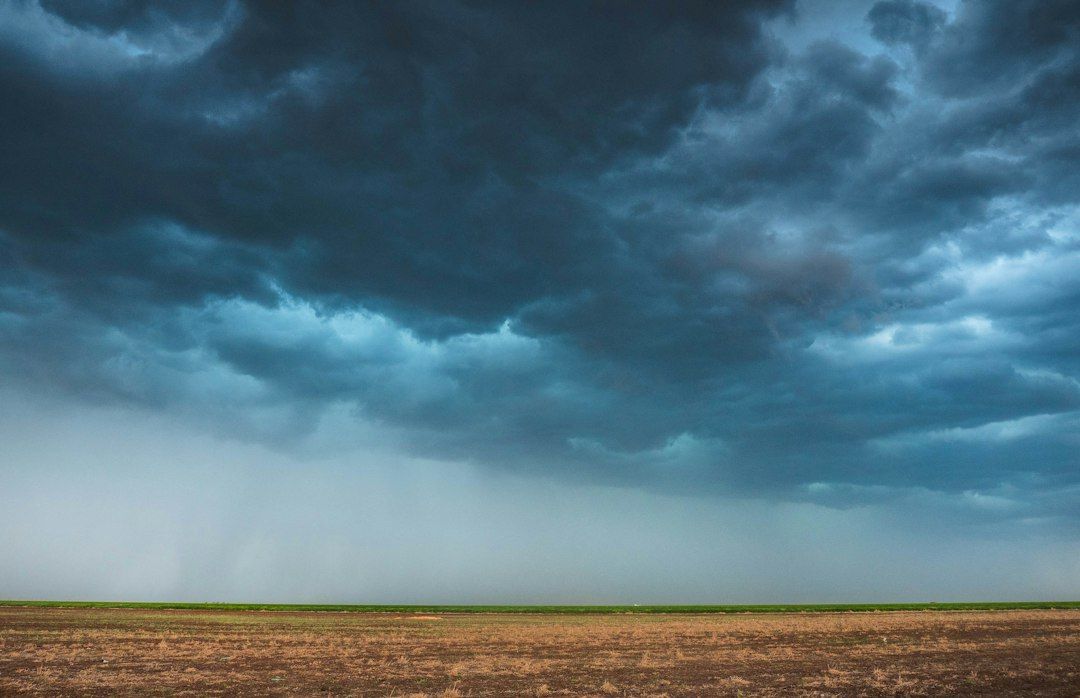
If you build in Texas, you already know how fast a clear morning can turn into a hailstorm, a sudden straight-line wind, or a flash flood. I have seen projects go from on-schedule to disaster in a single afternoon because lumber was soaked, framing twisted, or roofing blown off before the building was finished.
Why builders risk and contractor insurance matter on Texas projects
If you build in Texas, you already know how fast a clear morning can turn into a hailstorm, a sudden straight-line wind, or a flash flood. I have seen projects go from on-schedule to disaster in a single afternoon because lumber was soaked, framing twisted, or roofing blown off before the building was finished.
That is exactly where builders risk insurance and strong contractor insurance programs earn their keep. In this guide, I will walk through what builders risk insurance coverage actually does, how it fits with general liability insurance for contractors, and how Texas general contractors and subs can structure coverage so that one bad storm or accident does not wipe out their profit on a job.
Builders risk insurance in Texas - what it is and when you need it
At its core, builders risk insurance (sometimes shortened to builders risk ins) is a temporary property policy for a project under construction. It is designed to cover the building, materials, and certain project-related costs while work is in progress.
Most standard property policies are written for completed, occupied buildings. Industry sources like the Insurance Information Institute and the Texas Department of Insurance point out that buildings under construction are usually not fully covered under a normal property policy, which is why lenders and owners often require a separate builders risk policy.
What builders risk insurance is meant to cover
Think of builders risk as protecting:
-
The structure while it is being built or renovated
-
Materials on site, in temporary storage, and sometimes in transit
-
Certain temporary structures such as scaffolding or construction trailers
-
Some extra costs after a covered loss, like debris removal Typical Texas projects that need builders risk insurance include:
-
Ground-up new construction - homes, small commercial, tenant finish-out
-
Major renovations or additions, especially when structural work is involved
-
Large interior build-outs where there is significant new build value If the project cost is more than a few minor repairs or cosmetic upgrades, it is worth asking about builders risk insurance coverage.
Who usually buys builders risk insurance
One of the most common questions I get is, “Should the owner or the general contractor buy the policy?”
The answer depends on:
-
Your contract language
-
Who is financing the project
-
The size and complexity of the job Typical approaches in Texas:
-
For custom homes and small commercial jobs, the owner often buys builders risk and lists the general contractor and lender as additional insured or named insureds.
-
On larger commercial projects, the general contractor may purchase a project-specific policy so they can control the terms and make sure subs are properly protected.
-
Developers sometimes carry a master builders risk program that covers multiple projects. What matters most is that:
- Someone actually buys the coverage,
- All major parties (owner, GC, lender) are properly listed, and
- The policy limit matches the total completed value of the project, not just the current stage of construction. If you are unsure how this should be structured for your contract, that is when it helps to sit down with an agent who routinely works with Texas contractors and project owners.
What builders risk insurance coverage typically includes
Every insurer writes builders risk a little differently, and forms vary a lot. But there are common threads that show up in most Texas builders risk policies.
Property and materials on and around the job site
A well-structured builders risk insurance policy usually covers:
- The building or structure itself while being built
- Materials and supplies stored on the job site
- Materials stored off site at an approved location
- Materials in transit within a certain radius (often optional)
- Foundations, underground pipes, and similar items, if specifically included
- Temporary structures, scaffolding, and construction forms A frequent pain point I see: contractors assume their tools are covered under builders risk. Small hand tools and contractor-owned equipment are often excluded or only minimally covered. Those usually need a separate contractors equipment or inland marine policy.
Common perils - and key exclusions
Typical covered causes of loss include:
-
Fire and explosion
-
Theft of building materials
-
Vandalism and some types of collapse
-
Wind and hail
-
Damage from vehicles or aircraft In Texas, wind and hail are critical. Our state routinely ranks among the top in severe hail events, and coastal areas face hurricane risk. Many policies:
-
Have higher deductibles for wind or hail
-
Treat projects in certain coastal counties differently
-
Require special underwriting for frame construction near the coast Major exclusions you need to know about:
-
Normal wear and tear
-
Rust, corrosion, or mechanical breakdown
-
Faulty design, workmanship, or materials (there may be limited coverage for resulting damage, but not for fixing the defect itself)
-
Employee theft in some cases, unless specifically bought back
-
Flood and earth movement, which often require separate coverage or endorsements If your project is in a flood-prone area or near the Texas Gulf Coast, it is especially important to talk about flood and windstorm treatment. Our separate guides on Texas Flood Insurance Essentials and Texas Commercial Flood Insurance are good background reading.
Optional coverages: soft costs, delay, and more
More sophisticated builders risk insurance coverage can also include:
- Soft costs - architectural fees, permit fees, financing interest, and marketing costs that you have to spend again after a covered loss
- Business income or rental value - if the completed building is going to generate rent or income
- Ordinance or law coverage - extra cost to meet updated building codes during repairs
- Testing coverage for certain systems (for example, HVAC or fire protection) On many mid-size commercial or multi-family projects, adding soft costs and delay coverages is not expensive but can make the difference between being able to finish the project or not after a major loss.
General liability insurance for contractors - how it fits with builders risk
If builders risk protects “the project itself,” contractor insurance on the liability side protects you when your work injures someone or damages other people’s property.
General liability insurance coverage for contractors typically includes:
- Bodily injury to third parties (for example, a visitor trips over debris)
- Property damage to others (broken windows, damage to neighboring property)
- Personal and advertising injury (libel, slander, copyright concerns in ads)
- Products-completed operations (damage caused by your work after it is finished) When people ask about contractor general liability coverage, they are usually talking about a Commercial General Liability (CGL) policy. Our Commercial General Insurance (CGL) Texas Guide breaks that down in more detail.
Where builders risk stops and liability starts
A simple way to think about the split:
-
Builders risk - property insurance for the project itself
-
General contractor general liability insurance - liability insurance when the project hurts someone else or damages their property Some examples from real-world Texas claims:
-
Wind blows over framed walls
- Builders risk: usually pays to rebuild your walls and replace materials.
- General liability: typically does not respond, because there is no damage to third-party property or injury to others.
-
A masonry subcontractor knocks over a wall and it crashes onto a neighbor’s parked car
- Builders risk: can address damage to the wall you were building.
- General liability insurance for contractors: often responds to the damage to the neighbor’s vehicle.
-
A visitor walks through your job site, trips on loose rebar, and suffers a serious injury
- Builders risk: not designed for bodily injury to third parties.
- Contractor insurance on the GL side: this is squarely in contractor general liability coverage territory. This is why you almost never want to choose between builders risk insurance and a general liability policy. On any job of meaningful size, you usually need both.
Contract requirements, additional insureds, and COIs
On Texas construction projects, contracts often require:
-
Proof of general liability insurance coverage for contractors with specific limits
-
Evidence of builders risk coverage
-
Additional insured status for owners, GCs, or upstream parties
-
Primary and noncontributory wording and waivers of subrogation Those items show up on Certificates of Insurance (COIs) and endorsements to the policy. If you regularly work under GC or owner contracts, our contractor-focused resources are worth bookmarking:
-
How to Read an ACORD 25 Certificate Reading those alongside your contracts can help you avoid promising coverage you do not actually have.
Other essential contractor insurance in Texas
Builders risk and general liability are the foundation, but a solid contractor insurance program usually has several other pieces.
Commercial auto for work trucks and fleets
If your crew drives company-owned trucks, vans, or flatbeds, you need a commercial auto policy, not just personal auto. Claims involving trailers, attached equipment, or employees using trucks for work can be denied under personal auto policies.
Our Texas Commercial Auto Insurance Guide covers:
- How insurers rate work vehicles in Texas
- The difference between liability-only and full coverage
- Add-ons like hired and non-owned auto that protect you when employees use their own vehicles for work Commercial auto is often required by your commercial clients and shows up alongside GL and builders risk in bid requirements.
Workers compensation and employer’s liability
Texas is unique because workers compensation is generally not mandatory for private employers. However:
- Many commercial clients, GCs, and government entities require proof of workers comp before you can work on their sites.
- Even if not required, medical bills and lost wage claims from an injured worker can be financially devastating without coverage. Our guide on Workers Compensation Insurance in Texas: Requirements & Options explains the basics so you can decide how to protect your crew and your business.
Contractors equipment and inland marine
As mentioned earlier, builders risk often does not fully cover:
- Skid steers, mini-excavators, lifts
- Larger power tools and jobsite equipment
- Equipment stored in trailers or off site Those exposures are usually handled under a contractors equipment or inland marine policy. In my experience, theft of copper, tools, and small equipment is one of the most common losses on Texas job sites, especially in growing metro areas. Insuring this properly is just as important as insuring the structure itself.
Umbrella and professional liability
Depending on your trade and project size, you may also need:
- Commercial umbrella or excess liability - to add extra limits over your general liability, auto, and sometimes employers liability.
- Contractors professional liability - especially for design-build contractors, construction managers, or trades offering design advice. For many small to mid-sized contractors, we start with general contractor general liability insurance and commercial auto, then add builders risk and equipment coverage per project, and layer in umbrella or professional liability as the business grows.
Practical insights - structuring builders risk and contractor coverage correctly
After working with Texas contractors for many years, I can tell you most serious coverage problems do not come from having “no insurance.” They come from gaps, overlaps, or assumptions about who is covered where. Here are some practical tips.
1. Match your policies to your contracts
Before you sign, look at:
-
Who is required to carry builders risk insurance, and for what limit
-
The required limits for general liability insurance for contractors
-
Specific language about additional insureds, waivers of subrogation, and primary/noncontributory wording
-
Any requirements for completed operations coverage after the job wraps Then compare that to your current:
-
Builders risk forms and limits
-
GL policy and endorsements
-
Umbrella or excess coverage, if any If the contract demands coverage you do not have, it is better to solve that before you mobilize, not after a claim. Our article on Contracts, COIs, and Costly Endorsements: Avoid Surprises highlights exactly how these surprises can cost you.
2. Get the “who” right on builders risk
On builders risk, pay close attention to:
- Named insureds - often the owner, GC, and developer
- Additional insureds or loss payees - lenders, major subs if required
- Ownership changes - for example, if a spec home is sold before completion If the person suffering the loss is not properly listed or protected, the claim can get messy, even if the physical damage clearly falls under builders risk insurance coverage.
3. Watch gaps in timing
Coverage gaps often show up:
-
Before the official start date of the builders risk policy, when materials are already on site
-
After “substantial completion,” if the project is occupied but still under punch list work
-
When a GL policy is cancelled or non-renewed while the project is still under warranty Work with your agent to:
-
Align builders risk policy dates with your actual construction schedule
-
Confirm when the policy ends - at completion, occupancy, or a specified date
-
Make sure your GL policy stays in force through the project and warranty periods Sometimes we recommend extending builders risk briefly or moving to a permanent property policy a bit early to avoid gaps at turnover.
4. Understand what your GL does not cover
Contractor general liability coverage is broad, but it is not a warranty for your work. Common problem areas include:
- Damage to “your work” caused by a defect in that work
- Purely economic loss without bodily injury or property damage
- Professional advice or design errors (unless you have professional liability) That is where builders risk, contractors professional liability, and sometimes a well-structured warranty program come in. A strong general liability insurance coverage for contractors program is necessary, but not sufficient, to protect your balance sheet.
5. Keep your documentation clean
From an underwriting and claims perspective, the contractors who tend to get better pricing and smoother claims handling are the ones who:
- Maintain clean, up-to-date COIs for subs
- Enforce insurance requirements down the chain
- Report claims promptly with photos, incident reports, and jobsite records
- Communicate clearly when project scope or value increases Solid documentation is part of risk management, not just paperwork. It can speed up builders risk and GL claims dramatically when something goes wrong.
Protecting the project and your business
For Texas builders, remodelers, and trade contractors, builders risk insurance and general liability are not just boxes to check for lenders and owners. Together, they protect:
- The physical project you are building
- Your company’s finances and reputation
- Your ability to bid and win the next job In a state with our weather, growth, and construction activity, the question is not whether you will ever face a claim, but when and how bad it will be. Having the right builders risk, contractor insurance, and general liability structure in place ahead of time lets you focus on schedules and quality instead of wondering what a loss will do to your bottom line.
If you are unsure whether your current set of policies would truly respond the way you expect at claim time, that is the right moment to sit down for a careful review.
BIG - Brock Insurance Group
At BIG - Brock Insurance Group, we work with Texas contractors and project owners every day to structure builders risk insurance, general liability, commercial auto, and equipment coverage that actually fits the way you build. We understand the realities of framing in Central Texas wind, roofing along the Gulf Coast, and running multiple jobs across fast-growing metro areas.
Whether you are a general contractor coordinating subs or a trade contractor being asked for higher limits and complex COIs, we can walk through your contracts, identify gaps, and design a practical plan around your budget. Reach out to learn how we can help meet your needs. Let’s work together to achieve your goals and keep your projects protected from groundbreaking to final walkthrough.
Need coverage advice? Let’s talk.
Get a fast, no-pressure quote and guidance tailored to your needs.