
Texas Food Truck & Catering Insurance Guide
If you run a truck, trailer, or full-service catering crew in Texas, your business lives on wheels and thrives on events. That mobility creates risks typical restaurant policies don't cover - I've seen operators lose a weekend when a venue denied entry over a missing endorsement or a generator failed without coverage.
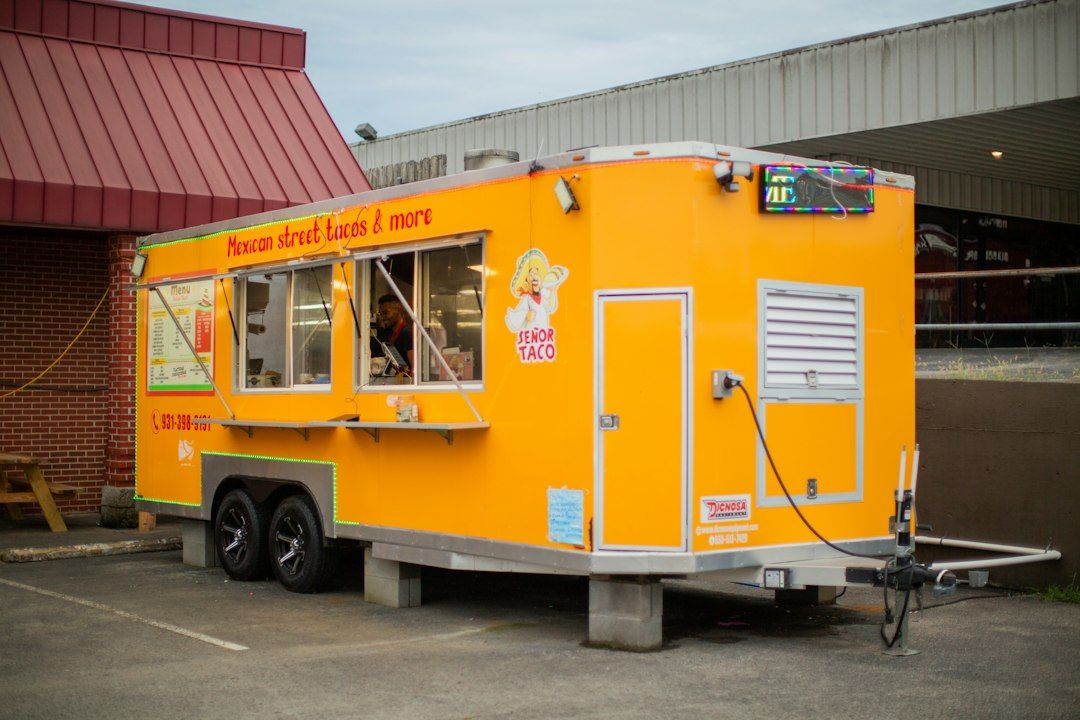
Why the right insurance can make or break your Texas food truck or catering calendar
If you run a truck, trailer, or full service catering crew in Texas, your business lives on wheels and thrives on events. That mobility creates unique risks that typical restaurant policies do not address. I have seen great operators lose a prime weekend because a venue refused entry over a missing endorsement or because a generator failed without the right coverage. This guide breaks down the core policies and endorsements that matter most, how permits and inspections intersect with insurance, and practical steps to avoid last minute cancellations. If you need food truck insurance Texas venues will accept without a hassle, the details below will help you get there.
Texas mobile food operations at a glance
Texas has a vibrant mobile food scene, and it is governed by a mix of state rules and local ordinances. Here is the landscape I see most often when helping owners line up coverage and paperwork:
- Health code framework: Texas follows the Texas Food Establishment Rules in Title 25 TAC 228, which are closely aligned with the FDA Food Code. Most cities adopt these standards with local requirements on water, wastewater, handwashing, and food protection.
- Fire and fuel safety: The National Fire Protection Association publishes standards for commercial cooking and mobile units, including NFPA 96 for ventilation and hood suppression and NFPA guidance for LP gas systems and portable extinguishers. Local fire marshals often require a Type K extinguisher for grease fires and proof of a maintained hood suppression system if you have fryers or griddles.
- Commissary obligations: Many Texas cities require mobile food units to operate from a permitted central preparation facility or commissary. Expect to provide a signed commissary letter, regular servicing for water and wastewater, and sometimes cold storage. Houston, Austin, San Antonio, and Dallas each have their own commissary and servicing rules, so always confirm locally.
- Workers compensation: Texas is unique because private employers are not required by state law to carry workers compensation insurance, according to the Texas Department of Insurance. Many venues and prime contractors still require it by contract.
- Alcohol service: If you serve or sell alcohol, the Texas Alcoholic Beverage Commission requires the proper permit. Liquor liability insurance is frequently required on top of general liability for catered bars and special events.
- Certificates of insurance: Event organizers, breweries, wedding venues, and corporate campuses typically require proof of insurance with specific endorsements. I commonly see requirements for 1 million per occurrence general liability, additional insured, primary and noncontributory wording, and waiver of subrogation. Because each city can interpret mobile food unit rules a bit differently, align your permits and COIs by event and location. A short call with your fire marshal and health department before the season starts can save you a scramble on opening day.
For deeper context on liability terms and how they show up on your COI, see our Texas guides on Commercial General Insurance and How to Read an ACORD 25 Certificate.
Core coverages for food trucks, trailers, and caterers
The right mobile food business insurance is a package of coordinated policies. Here is what I recommend building first, with Texas specific notes and examples.
Commercial auto for power units and trailers
Your rolling kitchen is a commercial vehicle, and Texas sets minimum liability limits at 30,000 per person, 60,000 per accident, and 25,000 for property damage. Those limits are rarely adequate for a fully wrapped truck navigating tight event sites. Most event contracts look for higher limits and an auto liability COI.
- Include comprehensive and collision for financed trucks and for custom wraps.
- Schedule trailers and verify the tow vehicle extends liability to them.
- If you have multiple units or a seasonal fleet, consider strategies in our Texas Commercial Auto Insurance Guide and Texas Fleet Insurance. Telematics and dashcams can cut loss frequency and prove fault. See Telematics and Dashcams. If staff use personal cars to grab ice, propane, or drop off trays, add Hired and Non Owned Auto. It is an affordable backstop if an at fault accident exceeds an employee’s personal policy. Read our quick primer on HNOA for small businesses.
General liability and products completed operations
This responds to slips and falls at your window, overspray from a sanitizer that damages a guest’s clothing, or a claim alleging foodborne illness. It is the foundation of most venue requirements. Make sure your policy includes products completed operations, because many claims arise after service.
- Most venues want additional insured status on your GL. Learn how requests translate to forms in Primary and Noncontributory Endorsements.
Property and inland marine for mobile gear
Your business assets move daily and often sit at temporary sites that are not owned by you. That is why inland marine, sometimes called equipment floater coverage, is the better fit than standard property.
- Schedule or blanket cover your generator, POS system, smokers, warming cabinets, signage, and the contents of your truck or trailer.
- Extend coverage at your commissary, at events, and in transit.
- Consider bailee coverage if you regularly store borrowed event gear or client property. See our overview of Inland Marine and Bailee Coverage.
Equipment breakdown and utility services
A compressor failure, control board short, or generator breakdown is a financial gut punch if your policy only covers fire or theft. Equipment breakdown fills that gap and can be paired with spoilage and utility services coverage.
- Equipment breakdown pays to repair or replace failed equipment due to mechanical or electrical breakdown, not just external damage.
- Utility services can cover off premises power outages that cause spoilage. See what a strong setup looks like in Equipment Breakdown and Utility Services.
Business income and extra expense
If a covered loss shuts you down, business income replaces lost revenue and pays continuing expenses. Extra expense covers the cost to rent a temporary truck, rush order parts, or hire additional labor to keep a big contract on track. Off premises power and dependent property extensions can be valuable for event driven businesses. We walk through these options in Business Income and Extra Expense.
Liquor liability for event catering
If you serve, sell, or furnish alcohol at weddings, festivals, or corporate parties, you need liquor liability. General liability includes only limited host liquor for incidental service when you are not in the business of selling alcohol. When in doubt, treat this as an essential part of event catering insurance. Make sure your policy aligns with your TABC permit, your staffing model, and any venue requirements.
Workers compensation and accident medical
Even though Texas does not mandate workers compensation for private employers, many venues and clients ask for it. Hot oil burns, knife cuts, and lifting injuries are common in our sector. If you choose not to carry workers compensation, talk to counsel about your notice and liability obligations in Texas and consider an occupational accident policy as a partial alternative.
Cyber and payment security
Most food trucks and caterers take cards and mobile wallet payments. A breach or a compromised POS can trigger data notification costs and chargebacks. Cyber coverage is inexpensive for the limits many small operators need. Explore essentials in our Texas Cyber Liability Insurance guide.
Flood and severe weather
If you store inventory or equipment in a ground level commissary near a bayou or creek, standard property policies exclude flood. Gulf storms can bring street flooding miles from the coast. Review options in Texas Commercial Flood Insurance and homeowner focused context in Texas Flood Insurance Essentials.
Texas specific risks and real world examples
Here are three patterns I see often, along with how the right coverage and paperwork avoid costly downtime.
Commissary compliance and COI timing
A Houston area operator expanded from one truck to a second trailer and shifted to a new commissary. The city required a current commissary letter and proof of wastewater servicing before issuing a mobile food unit medallion. An event promoter also required an updated COI listing the venue as additional insured with primary and noncontributory wording. Because the owner requested the endorsement the week of the event, the COI did not arrive in time and access was denied.
What worked the next time
- Build a 14 day COI request timeline into your booking process.
- Keep a digital folder with the current commissary letter, TFER inspection, and fire suppression service tag.
- Use our walkthrough of Primary and Noncontributory Endorsements and How to Read an ACORD 25 to confirm the venue language.
Generator breakdown during peak service
At a Central Texas festival in July, a trailer’s generator suffered a catastrophic stator failure. Refrigeration warmed, the POS went offline, and half a day of sales evaporated. Property insurance did not respond because there was no external damage.
What closes the gap
- Equipment breakdown for the generator and refrigeration equipment.
- Spoilage and utility services endorsements.
- Business income and extra expense to recoup lost revenue and pay for a rental generator. See Business Income and Extra Expense and Equipment Breakdown for how to arrange these pieces.
Temporary locations and auto radius
A Panhandle caterer with a heavy trailer booked a multi day county fair 180 miles away. The auto policy had a restricted radius and did not list the trailer. A minor collision led to a coverage dispute that could have been avoided with accurate scheduling and broader territory.
How to avoid it
- List all trailers and verify the liability and physical damage follow the unit.
- Use our Texas Commercial Auto Insurance Guide to confirm territory, radius, and driver eligibility.
- If employees use their own cars for errands at the event, add Hired and Non Owned Auto. Across each scenario, the safety backdrop matters. NFPA guidance on LP gas, extinguishers, and hood suppression, plus your city’s mobile food unit rules, shape both your inspection checklist and your risk profile. Align them with your insurance well before event season.
Pass inspections and keep events on the calendar: practical checklists
Use these lists before any big event or permit renewal. They are based on NFPA fire safety guidance, the FDA Food Code framework, and common city mobile food unit rules in Texas.
Permits and inspections
-
Current health permit or medallion, TFER inspection, and commissary letter on file
-
Fire suppression system serviced on schedule, Type K extinguisher tagged, and staff trained in its use
-
LP gas cylinders secured and inspected, leak checks documented if required by the fire marshal
-
Wastewater and potable water procedures aligned with city rules Certificates of insurance and contracts
-
General liability at limits required by the venue
-
Additional insured, primary and noncontributory, and waiver of subrogation added when contract requires it
-
Venue name and address spelled exactly as requested on the COI
-
Auto liability and HNOA shown on the COI if your contract asks for them
-
Reference our quick reads on ACORD 25 certificates and Primary and Noncontributory Vehicle and driver readiness
-
All trucks and trailers listed on your auto policy with correct VINs and values
-
MVRs checked annually, especially for festival season drivers. See Driver MVRs and Hiring Standards
-
Dashcams and telematics active to document incidents and qualify for savings. Start here: Telematics and Dashcams Equipment and continuity
-
Generator, refrigeration, and POS covered for breakdown, spoilage, and utility service interruption
-
Business income and extra expense limits set for your largest weekend
-
Mobile equipment insured wherever you go with inland marine. Learn more in Inland Marine and Bailee Coverage Weather and site conditions
-
Flood exposure reviewed for your commissary and frequent event sites
-
Coverage arranged for flood if needed. Explore Commercial Flood Insurance and Flood Insurance Essentials
Expert tips to lower cost and strengthen your position with venues
From what I see in the market, the strongest mobile food programs do four things well. They buy smart, document precisely, train consistently, and refine their risk story to carriers.
- Bundle the right way. Many mobile operators fit a Businessowners Policy that combines general liability and property, then add inland marine, equipment breakdown, auto, and umbrella. We can help you compare that against a commercial package if your operations are larger.
- Get proactive about endorsements. Save a template of common venue requests so you can quickly add Additional Insured, Primary and Noncontributory, and Waiver language without a last minute scramble. If a venue asks for specific ISO forms, confirm what your carrier provides so there are no surprises at the gate.
- Tighten driver standards. Written MVR criteria, road tests, and documented training reduce crash frequency and speed up claim handling. Our guide on MVRs and Hiring Standards can help.
- Use technology that pays for itself. Carriers often provide credits for telematics, dashcams, and even kitchen suppression monitoring. Review options in Telematics and Dashcams and consider NFPA recommendations on monitoring your hood system.
- Quote with clarity. Underwriters price based on the equipment you run, where you store, your driving radius, and your event mix. A clean, complete submission with photos of your truck, your suppression tag, and your commissary letter can qualify you for better pricing. For quick savings tactics across policies, see Lower Premiums Fast. Finally, frame your insurance in the language venues use. They want evidence that you protect guests, control cooking and fuel risks per NFPA guidance, operate under FDA Food Code standards, and can provide a correct COI on time. Speak that language and you will book more dates with less friction.
Bringing it all together
Mobile kitchens and event catering thrive on agility. The flip side is that a simple paperwork miss or a small mechanical failure can shut down a high revenue day. The right package of commercial auto, general liability, inland marine, equipment breakdown, business income, liquor liability, and Hired and Non Owned Auto keeps you moving and makes it easy to say yes to attractive venues. Whether you call it food truck insurance Texas coverage or mobile food business insurance, the core goal is the same. Match your policy to the way you actually operate, align it with city and fire requirements, and anticipate venue endorsements before you are at the gate.
If you are expanding into a second unit, adding alcohol service, or switching commissaries, that is the perfect moment to review your setup. A few adjustments can protect your calendar and your cash flow all season long.
Calahan Insurance Agency
Your operation is unique, and your coverage should be too. We help mobile food businesses build policies that pass inspections, satisfy venue contracts, and respond when it counts, from generator breakdowns to liquor liability at a wedding. Ready to take the next step? Contact us to discuss how we can help you protect your truck, your team, and your event calendar with confidence. We will walk you through options, explain endorsements in plain English, and deliver the COIs venues want without the scramble. Let’s make your coverage a competitive advantage this season.
Need coverage advice? Let’s talk.
Get a fast, no-pressure quote and guidance tailored to your needs.