
Home Insurance Quotes for Townhomes, Condos, and Single‑Family Homes in Texas
Did you know that the average cost to insure a single-family home in Texas is nearly $3,900 per year, while a condominium policy averages just over $1,000 annually? This significant price gap often surprises first-time buyers. Whether you’re eyeing a ranch in the Hill Country or a high-rise in Houston, understanding the nuances of your property type is crucial.
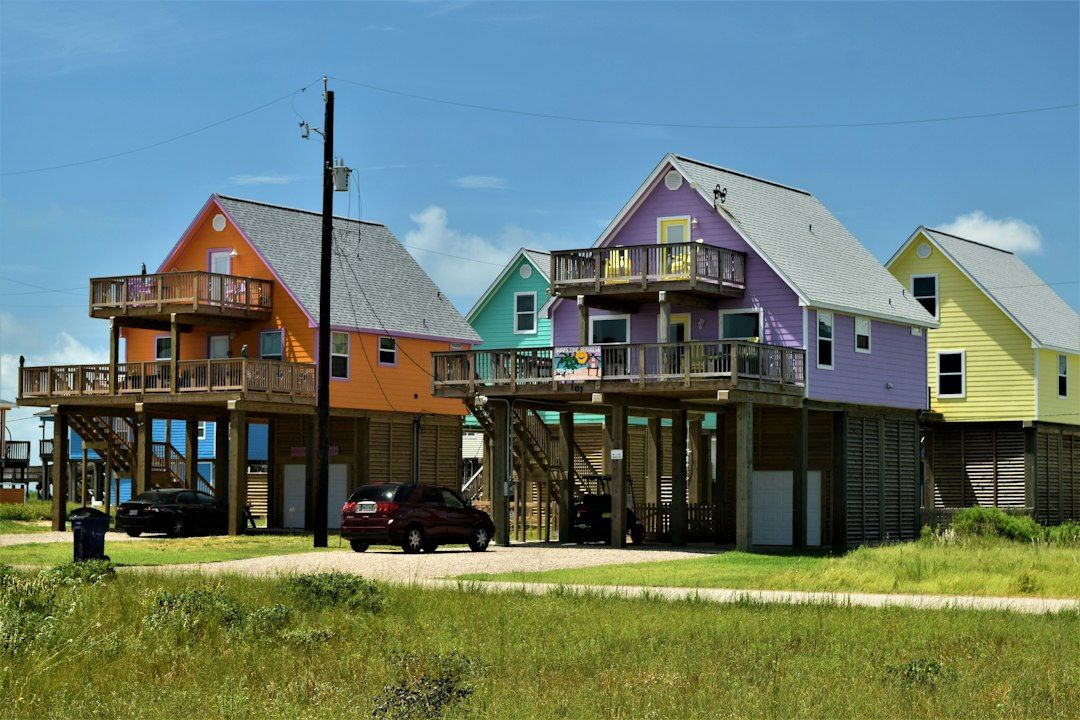
Understanding the Texas Property Insurance Market
Did you know that the average cost to insure a single-family home in Texas is nearly $3,900 per year, while a condominium policy averages just over $1,000 annually? This significant price gap often surprises first-time buyers. Whether you are purchasing a sprawling ranch property in the Hill Country or a high-rise flat in downtown Houston, understanding the nuances of your specific property type is crucial.
As independent agents with over 30 years of experience navigating the Texas market, we see buyers repeatedly confused about why home insurance policy quotes differ so drastically depending on the structure they buy. Let us break down how quote requirements vary for single-family homes, condominiums, and townhomes in Texas, so you know exactly what to look for before securing coverage.
Overview: Why Property Type Dictates Your Coverage
When residents search for house insurance home insurance quotes, they often assume that a home is just a home. However, the insurance industry views a freestanding house, a condominium, and a townhome as completely different risk profiles. This distinction ultimately comes down to a single question: what exactly do you own?
In Texas, our diverse real estate market is heavily exposed to severe weather, from coastal hurricanes to severe inland hailstorms. Because of these risks, property insurance is a major consideration for any homebuyer. If you buy a traditional single-family house, you own the dwelling, the roof, the exterior walls, and the land it sits on. Naturally, you are responsible for insuring all of it against wind, hail, fire, and other perils. This comprehensive responsibility is why single-family coverage carries higher average premiums.
On the other hand, purchasing a condo means you generally only own the interior of your unit. The exterior of the building, the roof, and the common areas are owned and insured collectively by the Homeowners Association (HOA). Therefore, your individual policy only needs to cover from the walls inward, making your premiums significantly lower. For a closer look at standard coverages, you can review our Texas Homeowners Insurance Quotes Guide.
Townhomes, however, are the frequent wildcards of the real estate world. Depending on how the community was legally established, you might own the land and the exterior of the unit, or you might only own the interior. When looking for home insurance insurance quotes, applying the wrong property classification can lead to either paying for coverage you do not need or facing a devastating gap in protection if a storm destroys your roof. Accurately classifying your property type is the critical first step before requesting any home insurance quotes.
Key Aspects of Insuring Single-Family Homes, Condos, and Townhomes
To properly protect your investment, it is helpful to detail exactly what policies correspond to each property type. Here is how the requirements break down:
- Single-Family Homes (HO-3 Policies). The standard for freestanding homes is the HO-3 policy. When evaluating these policies, the insurance company calculates the full replacement cost of the structure. This means the carrier looks at the local cost of construction materials and labor to rebuild your house from the ground up. An HO-3 also includes coverage for detached structures like garages, fences, or storage sheds.
- Condominiums (HO-6 Policies). Condos require an HO-6 policy. Since the HOA holds a master policy for the building shell, your HO-6 covers your personal belongings, liability, and the interior build-out of your unit, such as cabinets, flooring, and interior walls. If you are navigating a condo purchase, check out our Texas Condo Insurance (HO-6): Complete Owner's Guide to understand the nuances of interior coverage.
- Townhomes: The Coverage Chameleon. Townhomes blend the architectural style of a condo with the ownership structure of a single-family home. This is where we see the most confusion. If your townhouse HOA requires you to insure the exterior walls and roof, you will need a traditional HO-3 policy. If the HOA master policy covers the exterior and roof, you will need an HO-6 policy. Consider a recent example from a client in Dallas. They purchased a beautiful townhome and requested a standard HO-3 policy, assuming they owned the roof. However, after reviewing their HOA declarations, we discovered the association master policy actually covered the roof and exterior siding. By switching their application to an HO-6 policy, we prevented them from double-insuring the exterior and saved them hundreds of dollars a year. This perfectly illustrates why Comparing Texas Homeowners Insurance Policies: Limits, Deductibles, and Endorsements is vital before finalizing any paperwork.
Professional Insights on Navigating Your Options
In our experience, the biggest mistake property buyers make is shopping for a policy before reading their community HOA bylaws. If you live in a managed community, your individual insurance is fundamentally intertwined with the association master policy.
For condo and townhome owners, we highly recommend paying close attention to loss assessment coverage. If a severe Texas hailstorm damages the community clubhouse roof, and the HOA lacks sufficient funds or faces a massive deductible, they can assess the shortfall to the unit owners. A standard HO-6 policy usually includes a small amount of loss assessment coverage, but we often advise increasing this limit. For just a few extra dollars a year, it can protect you from a sudden, unexpected special assessment bill of thousands of dollars.
Furthermore, keep in mind that mortgage lenders have strict requirements. According to Texas property regulations, an HOA only needs to insure 80 percent of a property replacement cost to be legally compliant, but federal entities like Fannie Mae typically require the master policy to cover 100 percent of the replacement cost. If your HOA master policy is underinsured, it could easily derail your mortgage approval.
When reviewing your final home insurance quotation, do not just look at the bottom line. Examine the deductible structure, especially for wind and hail, which are frequently separated into percentage-based deductibles in Texas. We encourage buyers to lean on professional advice rather than relying entirely on automated online estimators. If you are unsure of the next steps, How to Get a Texas Homeowners Insurance Policy Quote Online or Through an Agent is an excellent resource to help you prepare.
Conclusion
Navigating the insurance landscape for a new property does not have to be overwhelming, provided you understand what you are actually buying. Single-family homes, condominiums, and townhomes each demand a highly tailored approach to coverage. A single-family home requires you to shoulder the entire structural risk, a condo limits your structural responsibility to the interior, and a townhome requires a careful review of HOA documents to determine where your liability begins and ends.
Taking the time to coordinate your personal policy with your specific property type and community rules ensures you are neither dangerously underinsured nor wastefully overpaying. Armed with the right knowledge and guidance, you can confidently secure protection that perfectly matches your home.
BIG - Brock Insurance Group
At BIG - Brock Insurance Group, we believe in building long-lasting relationships with our clients. Founded in 2006 by Mark Brock, our independent agency brings over 30 years of Texas insurance market experience to the table. Our mission is to provide personalized insurance solutions that protect what matters most to you, whether you are insuring a sprawling ranch, a downtown condo, or a suburban townhome.
Because we have an extensive carrier network, we can design comprehensive plans tailored specifically for individuals and families. Stop settling for generic coverage from automated systems and let our trusted team guide you through the intricacies of your policy. Reach out to learn how we can help meet your needs. Let’s work together to achieve your goals! Go BIG, Save BIG!
Need coverage advice? Let’s talk.
Get a fast, no-pressure quote and guidance tailored to your needs.