
Builders Risk Policy Quotes in Texas: How They Interact With Contractor GL
If you build in Texas long enough, you will see it happen: a storm rips off newly installed materials, a theft wipes out stored fixtures, or a small fire damages framing before the building is ever “put to use.” The first question everyone asks is, “Whose insurance should cover this?”
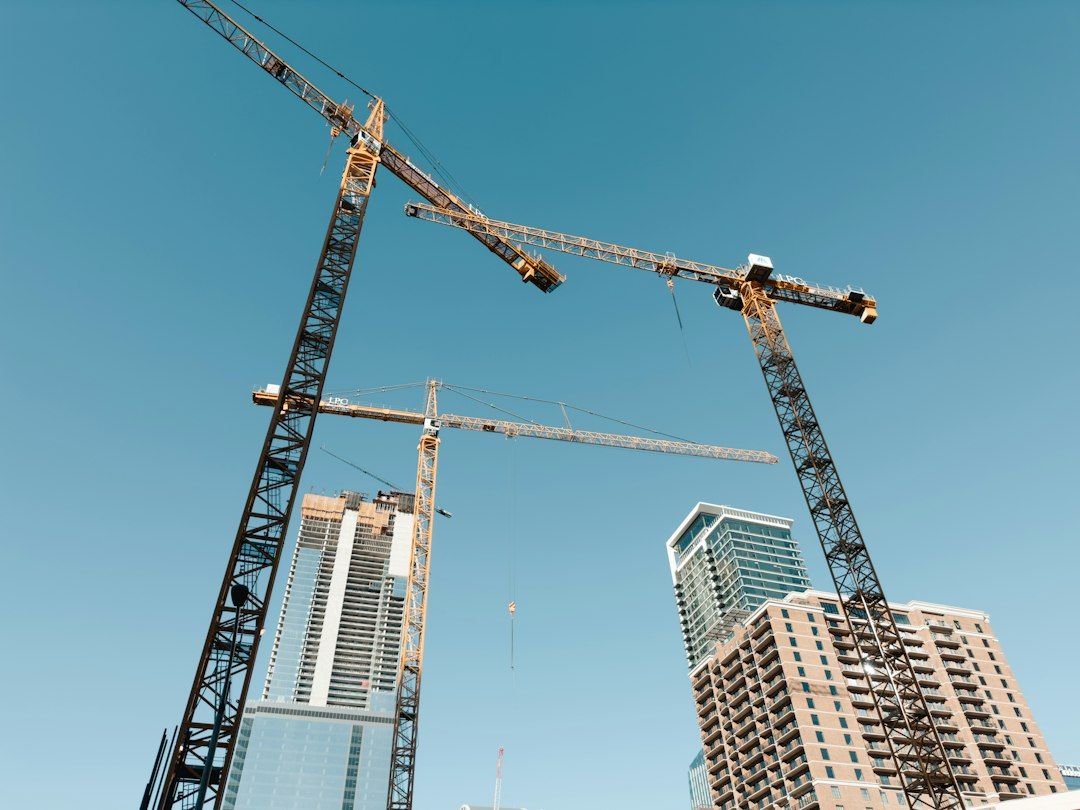
If you build in Texas long enough, you will see it happen: a storm rips off newly installed materials, a theft wipes out stored fixtures, or a small fire damages framing before the building is ever “put to use.” The first question everyone asks is, “Whose insurance should cover this?” On most projects, the clean answer is: builders risk handles damage to the work itself, while contractor general liability (GL) handles injury or property damage claims made by third parties.
When you’re requesting a builders risk policy quote (or a fast builders risk quote) alongside a contractor GL quote, underwriters are not just pricing two separate policies. They are checking whether the two coverages fit together correctly for the job, the contract, and the site conditions.
The “Two-Layer” Insurance Picture on Texas Construction Jobs
What builders risk is designed to do
Builders risk is a property policy built for construction. It generally insures the project while it is being built or renovated, including materials that will become part of the building. In practical terms, it is the coverage that pays to repair or replace the work after a covered loss, like fire, theft, or wind, subject to the policy terms and deductibles. Many builders risk policies can also be endorsed to address materials in transit or in temporary storage, which matters on Texas jobs where supply timing and storage locations change weekly. (This is a common gap if you do not address it up front.)
Texas even has state-level guidance that, consistent with industry standards, either the owner or the contractor is typically required by contract to procure builders risk for property damage during construction. That requirement often lands on the contractor. You can see how the State Office of Risk Management describes builders risk and the project information it expects for quoting. (That list is basically an underwriting checklist in plain language.) (Texas SORM builders risk program)
What contractor GL is designed to do
Contractor GL is liability coverage. It is meant to protect the contractor when the contractor becomes legally responsible for:
- Bodily injury to someone else
- Property damage to someone else’s property
- Certain personal and advertising injury claims (depending on form and endorsements) Here is the key interaction point: GL is not intended to be a warranty for your work or a substitute for property coverage on the project. Standard GL forms commonly exclude damage to property you own, rent, or occupy, and they also limit coverage for damage to “your work,” especially after completion. (The exact wording and exceptions vary by form and endorsements, but the concept is consistent.) (Overview of common CGL exclusions like “Damage to Property” and “Damage to Your Work”)
Why Texas projects make the pairing even more important
Texas weather and catastrophe exposures can make builders risk underwriting more sensitive than in many states, particularly for wind and hail. Coastal wind exposure is its own conversation, and even the Texas Windstorm Insurance Association (TWIA) closely tracks rate adequacy for windstorm risk, with its 2025 analysis indicating commercial rate inadequacy while the board still directed a 0 percent rate change filing for 2026. That is a reminder that wind exposure and pricing are actively monitored and can influence project insurance discussions. (TWIA announcement on 2026 0% rate change filing and 2025 rate adequacy analysis)
How Builders Risk and Contractor GL Complement Each Other (With Real Jobsite Examples)
Example 1: Theft of installed or to-be-installed materials (builders risk)
On Texas jobs, theft is not theoretical. Copper, appliances, HVAC components, even doors and lighting can disappear overnight. In many cases, builders risk is the first place we look for coverage for stolen materials that are intended to become part of the structure, subject to policy terms and any protective safeguard requirements. A builders risk policy is built for this type of loss, while a GL policy is generally not. (GL is about liability to others, not replacing your project materials.)
Example 2: A third party gets hurt at the site (contractor GL)
If a delivery driver, inspector, or member of the public is injured due to alleged negligence at the jobsite, contractor GL is the core coverage. Builders risk does not exist to pay injury claims. This is one reason owners and GCs stay strict about GL limits, additional insured wording, and certificates.
If you are navigating certificates, additional insured requirements, and how to show this correctly, our guide on Certificates of Insurance (COI) in Texas is a good next step.
Example 3: Wind or hail damages partially completed work (builders risk, plus careful wind review)
Wind and hail are classic builders risk claims in Texas. Underwriters will look hard at:
- The jobsite address and wind zone exposure
- How the structure is being dried-in and secured between phases
- Deductibles, which can be percentage-based for wind in some placements When coastal wind is in play, you may also be juggling TWIA requirements on the permanent property later, so we plan the transition early.
Example 4: Damage caused by faulty work after the job is completed (GL, but not as “your workmanship warranty”)
This is where contractors get surprised. If your completed work causes damage to other property, GL may respond depending on facts, allegations, and policy language. But damage to “your work” itself is often limited or excluded in standard forms, and it is not meant to function like a warranty. This is one of the reasons builders risk is so critical during the build, and why quality control and contract language matter after completion.
For broader Texas coverage planning, our primer on Texas insurance basics for home, auto, and life is helpful if you are managing both business and personal risk in one household.
What Underwriters Look For on a Builders Risk Quote in Texas
When we shop a builders risk quote, we expect the carrier to ask for details that map directly to the project’s loss drivers. From experience, the fastest quotes happen when these items are clean and consistent with the contract.
1) Project values and “insurance-to-value”
Builders risk is priced off the completed value and construction budget, so accuracy matters. Underwriters are especially sensitive to replacement cost adequacy in today’s market. Construction input costs have continued to move, and industry reporting from AGC shows year-over-year increases in key categories based on producer price index (PPI) data, which affects how insurers think about materials and rebuild costs. (AGC analysis of construction input cost increases using PPI data)
What I see in real life: if the values look “light,” the quote often comes back with higher rates, tighter terms, or a request for documentation.
2) Construction type, protection class, and site controls
Expect questions about:
- Frame vs masonry vs steel
- Fire protection and distance to responding fire services
- Jobsite security (fencing, lighting, cameras, lock-up procedures)
- Water damage prevention (temporary heat, leak checks, shutoff procedures)
3) Wind, hail, and named storm structure (especially near the coast)
Texas carriers care about wind and hail construction details: roof attachment, staging, tie-downs, and how you protect materials between installs. Deductible structure is often as important as premium.
4) Renovation vs ground-up (and how much is existing)
Renovations introduce a tricky split between existing property and the work being done. Underwriters often want:
- The value of existing structure (if being insured)
- Whether the building is occupied during construction
- Hot work controls and protection of adjacent tenants If you also need to coordinate with a Business Owners Policy (BOP) for the ongoing operation, our Texas Business Owners Policy (BOP) Guide can help you understand where builders risk ends and permanent property coverage begins.
What Underwriters Look For on a Contractor GL Quote (And Why It Affects the Project)
Even though builders risk and GL are different lines, underwriters mentally connect them. They want to see a contractor with consistent operations, good contracts, and controlled subs.
1) Clear description of operations and trades performed
Texas construction classifications matter. Roofing, concrete, framing, excavation, and specialty trades can rate differently. If the application is vague, you usually get conservative pricing or more questions.
For contractors comparing policy structures, it helps to read Comparing contractor liability insurance quotes and general contractor packages.
2) Subcontractor controls and certificates
Underwriters want to know:
- Do you use written subcontract agreements?
- Do you collect COIs consistently before work starts?
- Do you require additional insured status and waiver of subrogation when appropriate? This is not paperwork for paperwork’s sake. It is how losses get assigned, defended, and paid.
3) Prior losses and how you changed your process
Loss runs drive underwriting decisions. But what really helps is a credible narrative: what happened, what you fixed, and how you prevent a repeat.
4) Completed operations and contract risk transfer
Many contractors focus on “jobsite liability,” but completed operations exposure is where claims get expensive. Underwriters look at:
- Warranty language in contracts
- Hold harmless provisions
- Additional insured obligations
- Any residential construction limitations For a deeper Texas-specific GL view, see our Commercial General Insurance (CGL) Texas Guide.
My Practical Advice: How to Quote Both Policies Without Creating Gaps
When we help Texas contractors and owners, we treat builders risk and GL as a coordinated package. Here is what consistently prevents headaches.
- Match the contract requirements first. The contract usually dictates who buys builders risk, who is named insured, and what endorsements are required.
- Make sure values and scope align across policies. If builders risk says “ground-up custom home” but GL says “handyman remodel,” underwriters notice.
- Confirm who is insured on builders risk. Owners, GCs, lenders, and sometimes subs may need to be included depending on the contract.
- Check wind and theft deductibles before you accept the quote. A cheap premium with an unworkable deductible is not a win.
- Plan the handoff from builders risk to permanent property. The day you get a certificate of occupancy or the building is occupied can change what policy should respond. If you are also shopping commercial auto for jobsite vehicles, our Texas Commercial Auto Insurance Guide is a smart companion read because many construction claims involve vehicles and hired and non-owned exposures that GL does not cover well.
Closing Thoughts: The Best Quote Is the One That Holds Up When Something Happens
A good builders risk policy quote is not just a low number. It is coverage that matches your contract, insures the correct values, and reflects how the job will actually run in Texas weather and Texas jobsite conditions. Contractor GL does not replace builders risk, and builders risk does not replace GL. When they are coordinated, claims are cleaner, projects stay bankable, and you avoid the coverage arguments that drain time and profit.
If you are bidding work, signing contracts, or starting a new build, it is worth taking a few minutes now to make sure your builders risk quote and your GL quote are built to work together.
BIG - Brock Insurance Group
At BIG, Brock Insurance Group, we help Texas contractors, property owners, and growing businesses put the right insurance structure around real projects. Since 2006, our team has focused on tailored coverage and clear guidance, not guesswork, because jobsite risk is too expensive to “hope it works out.”
If you are preparing a builders risk submission, renewing contractor GL, or trying to confirm what your contract is really asking for, we can help you compare options across our carrier network and tighten up the details that underwriters care about. Reach out to learn how we can help meet your needs. Let’s work together to achieve your goals!
Need coverage advice? Let’s talk.
Get a fast, no-pressure quote and guidance tailored to your needs.