
Texas Dog Pet Insurance: Quotes & Coverage Guide
If an emergency vet visit hits your budget harder than expected, you are not alone. Specialty care and after-hours clinics can turn a simple mishap into a big bill, which is why many Texans look to pet insurance for a dog to soften the blow.
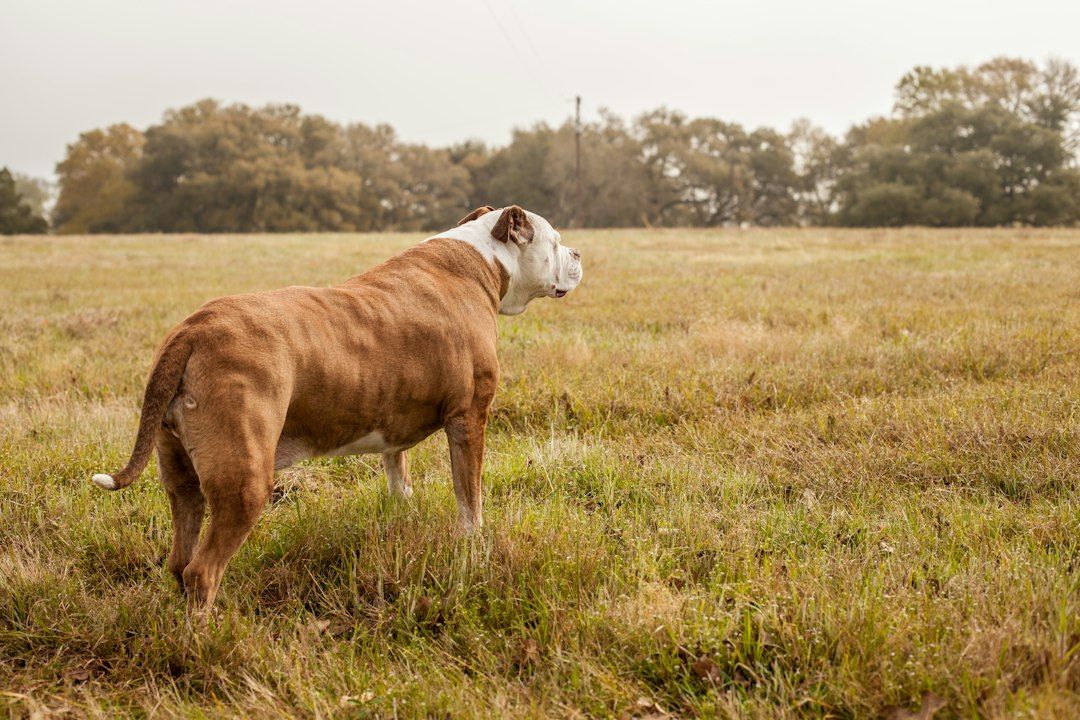
A clear, people-first Texas guide to dog insurance
If an emergency vet visit hits your budget harder than expected, you are not alone. Specialty care and after-hours clinics can turn a simple mishap into a big bill, which is why many Texans look to pet insurance for a dog to soften the blow. In this Texas dog insurance guide, I explain how policies work, what drives premiums by breed, age, and ZIP code, and the information you need to get accurate quotes. We cover common benefits and exclusions without brand bias, highlight Texas-specific considerations, and point you to the Texas Department of Insurance for consumer help. My goal is to help you choose with confidence.
How dog insurance works in Texas and why quotes vary
Pet insurance is a health policy for your dog that reimburses you for eligible veterinary expenses. Most plans are reimbursement-based. You pay the vet, submit the invoice, and the insurer pays you back after the deductible and your selected reimbursement percentage are applied. Some carriers offer direct pay to participating clinics, although many Texas practices still prefer reimbursement.
Common plan types you will see:
-
Accident and illness. The most comprehensive option. Covers injuries and new illnesses that occur after waiting periods.
-
Accident only. Lower cost, narrower scope. Covers injuries such as cuts, broken bones, or toxic ingestion.
-
Wellness add-ons. Optional riders for routine care like vaccines, heartworm testing, and dental cleanings. These are not insurance in the traditional sense, but can help you budget for preventive care. Key parts of a policy:
-
Annual deductible. What you pay each policy year before reimbursement kicks in.
-
Reimbursement percentage. The share the insurer reimburses after the deductible. Policies typically offer multiple options.
-
Annual limit. The maximum the plan will pay in a policy year. Higher limits cost more but provide wider protection.
-
Waiting periods. Time after enrollment before certain benefits start. Some conditions like cruciate ligament injuries and hip dysplasia may have longer waits. There are no Texas pet insurance requirements for residents. You are not required by law to insure your dog. The Texas Department of Insurance (TDI) oversees insurers that sell in the state and provides consumer protections and complaint help. You can review TDI resources at https://www.tdi.texas.gov/.
Why your quote changes by dog and location:
- Breed risk. Underwriters look at historical claim patterns. For example, brachycephalic breeds can have airway issues, large breeds may have orthopedic risks, and Dachshunds can face back problems.
- Age. Premiums usually rise as dogs age, reflecting higher expected claims.
- ZIP code. Veterinary fees and access to 24-hour specialty care vary across Texas. Metro areas with more specialty hospitals can see higher average bills, which affects pricing.
- Plan design. Your selections for deductible, reimbursement, and annual limit are the most direct lever on price.
- Prior history. Preexisting conditions are typically excluded, and prior diagnoses can shape what is covered going forward. See our Texas-focused resource on Waiting Periods & Preexisting Rules in Texas. The market has grown quickly in recent years, and dogs represent the majority of insured pets according to the North American Pet Health Insurance Association. As veterinary service costs have trended upward nationally, per the Bureau of Labor Statistics and the American Veterinary Medical Association, getting the plan design right matters more than ever.
Dog insurance coverage options, add-ons, and exclusions
Getting pet insurance for a dog should start with understanding what most policies cover, what they do not, and where riders can help.
Coverage you commonly see:
-
Accidents and injuries. Lacerations, fractures, foreign body ingestion, and emergency surgery.
-
Illnesses. Ear infections, GI upsets, allergies, cancers, and endocrine disorders.
-
Diagnostic tests. X-rays, ultrasound, lab work, and advanced imaging when medically necessary.
-
Prescription medications. Often included when tied to a covered condition.
-
Hereditary and congenital conditions. Covered by many accident and illness policies if not preexisting and once waiting periods are satisfied.
-
Dental trauma. Injuries from accidents are often included. Routine dental disease is typically excluded unless a wellness rider applies. Popular add-ons or built-in extras:
-
Wellness. Vaccines, heartworm tests, spay or neuter, flea and tick prevention, and dental cleanings. Learn how to weigh these costs in Wellness Add-ons vs Insurance: What’s Worth It?.
-
Rehabilitation and alternative care. Physical therapy, acupuncture, or chiropractic when prescribed.
-
Behavioral therapies. Available on some plans with veterinarian oversight.
-
End-of-life care. Euthanasia or cremation benefits on certain policies. Common exclusions to watch:
-
Preexisting conditions. Anything noted before the policy starts or during waiting periods is generally excluded. Get familiar with timing using Waiting Periods & Preexisting Rules in Texas.
-
Routine care without a wellness rider. Vaccines, preventive tests, and prophylactic procedures.
-
Breeding or pregnancy-related care. Typically excluded.
-
Elective or cosmetic procedures. Ear cropping and tail docking are examples.
-
Non-veterinary costs. Licensing, training, and boarding. Texas-specific considerations:
-
Heat stress and parasite risks are common drivers of claims. The American Heartworm Society classifies much of Texas as high risk for heartworm. Preventive medications usually fall under wellness. Treatment for heartworm disease may be eligible under illness coverage if not preexisting.
-
Environmental hazards like foxtails and toxic plants can lead to emergency visits. Policies generally cover medically necessary care for new injuries or illnesses. Three quick, realistic claim examples to show how reimbursement works:
-
Foreign body surgery. Your Lab eats a sock, leading to a $2,000 surgical invoice. With a $250 annual deductible and 80 percent reimbursement, you would pay $250 plus 20 percent of the remainder, and the plan would cover the rest, subject to your annual limit.
-
IVDD in a Dachshund. After the waiting period, diagnostics and therapy may be covered if no prior signs existed. If back pain was documented before enrollment, related care is often excluded.
-
Heatstroke in August. Emergency stabilization, IV fluids, labs, and monitoring are generally treated as an illness. Preventive items like cool vests or extra fans would not be reimbursable. For more detail on what falls in and out of scope, see Dog Insurance Coverage & Claims in Texas.
Quotes and underwriting in Texas: what insurers need and how to compare fairly
Getting accurate dog insurance quotes Texas carriers can honor starts with providing complete information. The more precise you are, the fewer surprises you will see at claim time.
Quote checklist for Texans:
-
Dog’s name, breed or mix, and age
-
Sex and spay or neuter status
-
Weight and microchip status
-
Your ZIP code and primary veterinary clinic
-
Prior diagnoses, medications, and any surgeries
-
Desired coverage type. Accident and illness vs accident only
-
Deductible, reimbursement percentage, and annual limit preferences
-
Add-ons. Wellness, rehab, behavioral, dental options if available What most underwriters consider:
-
Breed risk and hereditary conditions frequency
-
Age band and expected claim severity
-
Local cost of care by ZIP code and access to specialty hospitals
-
Your plan design settings and any discounts such as multi-pet How to compare dog insurance coverage options without bias:
-
Make apples-to-apples settings. Match the deductible, reimbursement, and annual limit across quotes before deciding. We built a step-by-step walkthrough in How to Compare Quotes Without Bias.
-
Read the fine print. Look for definitions of preexisting conditions, bilateral exclusions for knees or hips, and special waiting periods.
-
Check payout logic. Some plans reimburse based on the actual veterinary bill, others use fee schedules or usual and customary allowances. Actual bill reimbursement is easier to predict.
-
Consider claims experience. See whether a carrier offers direct pay, typical reimbursement timelines, and an easy claims app. Get a sense of timelines in Claims, Direct Pay, and Reimbursement Timelines.
-
Think long term. Premiums usually rise as dogs age. If you pick a very low deductible when your dog is young, make sure you can sustain that later. Practical pricing tip:
-
Use your emergency fund as a guide. If you can comfortably cover smaller surprises, choose a higher deductible to lower premium and reserve insurance for bigger bills. If cash flow is tight, a lower deductible may be worth the higher premium. If you want a reality check on Texas vet costs by condition, bookmark Texas Costs: Sample Vet Bills and Savings. It is helpful when setting realistic limits.
Agent insights for Texans: choose confidently and avoid surprises
After years helping families protect budgets from vet bill shocks, here is the advice I give dog owners in Texas.
-
Enroll early. The healthiest time to buy is before the first diagnosis appears on your dog’s record. That is how you keep hereditary and congenital conditions eligible in the future.
-
Size your plan to your risk. Big, athletic, or working breeds often benefit from higher annual limits given orthopedic and emergency risks. Toy breeds with chronic illness tendencies may value broader illness coverage and medications.
-
Match coverage to local hazards. In Texas, heartworm, heat-related illness, and seasonal allergens are common claim drivers. Wellness riders can help you budget for prevention and testing, while accident and illness coverage is the backbone for serious events.
-
Mind waiting periods and bilateral clauses. Knees, hips, and cruciate ligaments sometimes carry longer waits or bilateral exclusions. Read these sections closely to avoid disappointment later.
-
Keep clean records. Save invoices, lab results, and discharge notes. Clear documentation helps claim adjudication and can speed reimbursement.
-
Use 24/7 tele-vet when included. Some plans include on-demand vet chats. A quick consult can help you decide whether to head to an ER or monitor at home.
-
Re-shop intelligently. Re-shopping can be smart when a policy is still young and your dog is healthy, but moving after a diagnosis can create new preexisting exclusions. Compare carefully and consider continuity value. Credible sources worth knowing:
-
North American Pet Health Insurance Association. For how the market works and common policy terms.
-
American Veterinary Medical Association and Bureau of Labor Statistics. For trends in veterinary service costs that influence premiums.
-
American Heartworm Society. For Texas-specific parasite prevalence and prevention guidance.
-
Texas Department of Insurance. For consumer protections, filing complaints, and understanding your rights. Visit https://www.tdi.texas.gov/. Important distinction for liability: Pet insurance covers your dog’s health costs. It does not pay for injuries your dog causes to others. Dog bite and related claims typically fall under your homeowners, renters, or umbrella liability. If your household risk profile calls for extra cushion, read our Texas Personal Umbrella Insurance Guide and consider whether additional limits make sense.
If you are comparing dogs vs cats or sorting out wellness vs insurance questions for multiple pets, these resources can help:
- Dogs vs. Cats: Picking the Right Coverage
- Wellness Add-ons vs Insurance: What’s Worth It? If you search for pet insurance dogs in Texas, you will see plenty of marketing. Stick to frameworks that put your needs first and verify details with TDI and your veterinarian.
Summary: a smarter way to shop dog insurance in Texas
There is no mandate to carry pet insurance in Texas, but many families choose it to turn unpredictable vet bills into manageable, budgetable costs. Focus on the essentials. Accident and illness coverage is the backbone, wellness is optional, and your deductible, reimbursement percentage, and annual limit drive both price and protection. Price reflects breed, age, and ZIP code as well as plan design. Read waiting periods and exclusions carefully, especially for knees, hips, and hereditary conditions. When in doubt, ask questions and verify with the Texas Department of Insurance. Use our unbiased checklists and linked guides so you can select a plan you will be happy to keep for the long run.
Calahan Insurance Agency
Let’s achieve your goals together. Reach out today for personalized support tailored to your vision. At Calahan Insurance Agency, we start by listening. We will translate insurance jargon into plain English, explain the tradeoffs behind each deductible and limit, and help you compare dog insurance Texas options side by side without brand bias. Whether you want quick ballpark pricing or a detailed review of dog insurance coverage options and exclusions, we are here to help you make a confident, cost-effective choice. If you are balancing other priorities like homeowners or umbrella liability, we can coordinate those pieces too so your coverage works as one plan. Contact us for independent guidance and quotes you can trust.
Need coverage advice? Let’s talk.
Get a fast, no-pressure quote and guidance tailored to your needs.