
Wellness Add-ons vs Insurance: What’s Worth It?
Most of us budget for kibble, toys and the occasional shredded sofa, but the biggest question we hear in Texas is simple: should you pay extra for a pet wellness plan or put that money toward insurance? Routine costs add up, while emergencies are the true budget-busters.
Introduction
Most of us budget for kibble, toys, and the occasional shredded sofa, yet the biggest question we hear in Texas is simple: should I pay extra for a pet wellness plan or put that money toward insurance? In other words, what is actually worth it? As independent agents who review policies every day, we see clients surprised by how routine costs like exam fees and vaccines add up while emergencies remain the real budget-busters. Below we compare a pet wellness plan vs insurance, lay out real Texas price averages, and offer a simple decision grid so you can decide with confidence.
Texas Cost Snapshot: Routine Care Versus Risk
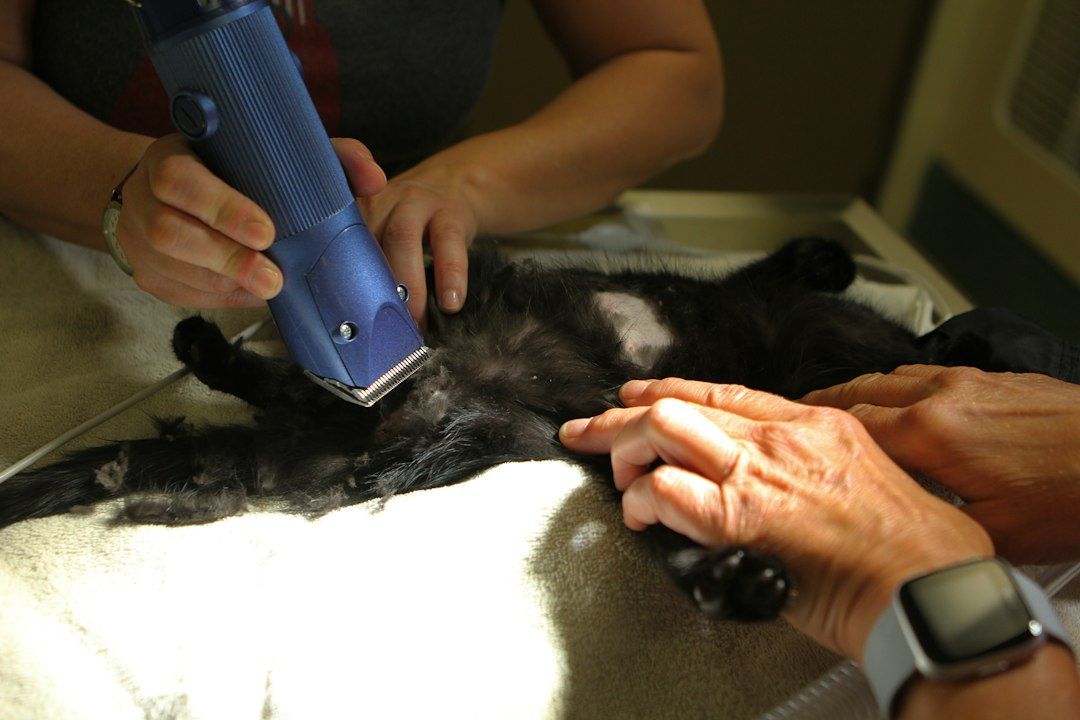
A wellness plan is designed to reimburse (or sometimes prepay) predictable items: annual checkups, vaccines, flea or heartworm prevention, dental cleanings, and spay neuter coverage. Insurance, on the other hand, exists for the unpredictable—think broken legs, pancreatitis, or swallowed socks.
According to the Texas Veterinary Medical Association:
- Wellness exam fees range from 45 to 65 dollars in urban clinics, slightly less in rural areas.
- Core vaccines for dogs typically cost 40 to 55 dollars per year; for cats, 30 to 45.
- Monthly flea or heartworm medication runs 20 to 30 dollars for a mid-size dog, 15 to 20 for cats.
- Professional dental cleanings average roughly 450 dollars once per year for adult pets, more if extractions are required.
- Spay neuter coverage varies widely. Private veterinarians charge 200 to 300 dollars for a medium dog, while nonprofit clinics often fall under 100. Add it up and the “routine care coverage” for a healthy Texas dog lands near 900 dollars a year; a cat typically sits closer to 650. Compare that to North American Pet Health Insurance Association’s 2023 report, which lists the average Texas accident-and-illness premium at 46 dollars a month for a dog and 30 for a cat. Most insurers add wellness benefits for another 15 to 25 dollars monthly.
These numbers matter because you are essentially prepaying routine costs that you can predict. Insurance, however, protects the bank account when a midnight trip to the emergency clinic jumps past 2,000 dollars before a doctor even picks up the stethoscope.
Breaking Down the Numbers: When Wellness Pays Off
Below are three common life stages we see in the Lone Star State and how wellness add-ons stack up.
1. Puppy or Kitten Year (0-12 months)
- High vaccine schedule: up to four rounds, plus microchip and first-year spay or neuter.
- Texas cost without a plan: roughly 1,200 dollars.
- Typical wellness add-on: 20 dollars per month or 240 dollars per year.
- ROI: High. Wellness usually saves 300 to 400 dollars during the first year, provided spay neuter coverage is included.
2. Healthy Adult (2-7 years)
- Needs annual exam, parasite prevention, and occasional dental cleaning.
- Out-of-pocket average: 750 dollars.
- Wellness add-on: 240 to 300 dollars, with reimbursements capped.
- ROI: Marginal. Most plans reimburse 600, so the true savings hover around 50 dollars. Many clients prefer a personal savings buffer here.
3. Senior or Chronic-Needs Pet (8+ years)
- More frequent exams, lab panels, possible dental extractions, and chronic meds.
- Annual routine cost: easily 1,000 dollars.
- Wellness add-on: same 240 to 300 dollars.
- ROI: Moderate, but the bigger risk now is a four-figure emergency bill. Insurance for accidents and illness becomes vital, while wellness is optional.
What the Pros Recommend
Having reviewed hundreds of policies, here is how we decide whether a wellness plan makes sense.
- If your pet is under one year or scheduled for spay neuter coverage, wellness pays.
- If you value predictable budgeting and do not want to manage receipts, wellness can simplify life.
- If you have a multi-pet household or are disciplined at saving, consider an HSA-style account. Place the same 20 dollars a month into a high-yield savings and self-insure routine care.
- For emergencies, an accident-and-illness policy from the best pet insurance Texas carriers remains the cornerstone. Surgery for a torn ligament can cost 3,500 dollars; hospitalization for pancreatitis often reaches 5,000. Wellness will not touch those bills. Is pet wellness worth it long term? Only if the guaranteed reimbursement exceeds the subscription cost and you would have spent every covered dollar anyway. Many Texans split the difference: they buy core insurance, skip wellness after year one, and keep a 1,000 dollar “fur child fund” for preventative visits.
When you shop, read the fine print. Some wellness benefits pay only after the procedure, others offer discounts at affiliated clinics only. Annual caps differ dramatically. A plan that seems generous on vaccines may not cover dental cleanings, the biggest single preventive expense.
Final Takeaway
Wellness add-ons bring real savings during the intensive first year and for owners who crave predictable bills. For the average adult pet, self-funding routine care often wins unless you use every perk to its cap. Insurance, however, is non-negotiable if you want to shield your budget from four-digit surprises. Put simply, match predictable costs with predictable money and protect against the unexpected with real coverage.
Brock Insurance Group
We help Texas families weigh policies every day, so you don’t overpay for peace of mind. Whether you need straight-forward accident and illness protection, want to evaluate a wellness rider, or prefer a hybrid savings strategy, our independent team can break down the numbers for your specific pet and budget. Reach out to learn how we can help meet your needs. Let’s work together to achieve your goals!
Need coverage advice? Let’s talk.
Get a fast, no-pressure quote and guidance tailored to your needs.