
Texas Cat Insurance: Quotes & Coverage Guide
If you have a cat in Texas, a single emergency can upend your budget. Veterinary sources consistently show four-figure bills for issues like urinary obstruction or fracture repair, and most cats will face dental disease at some point in life.
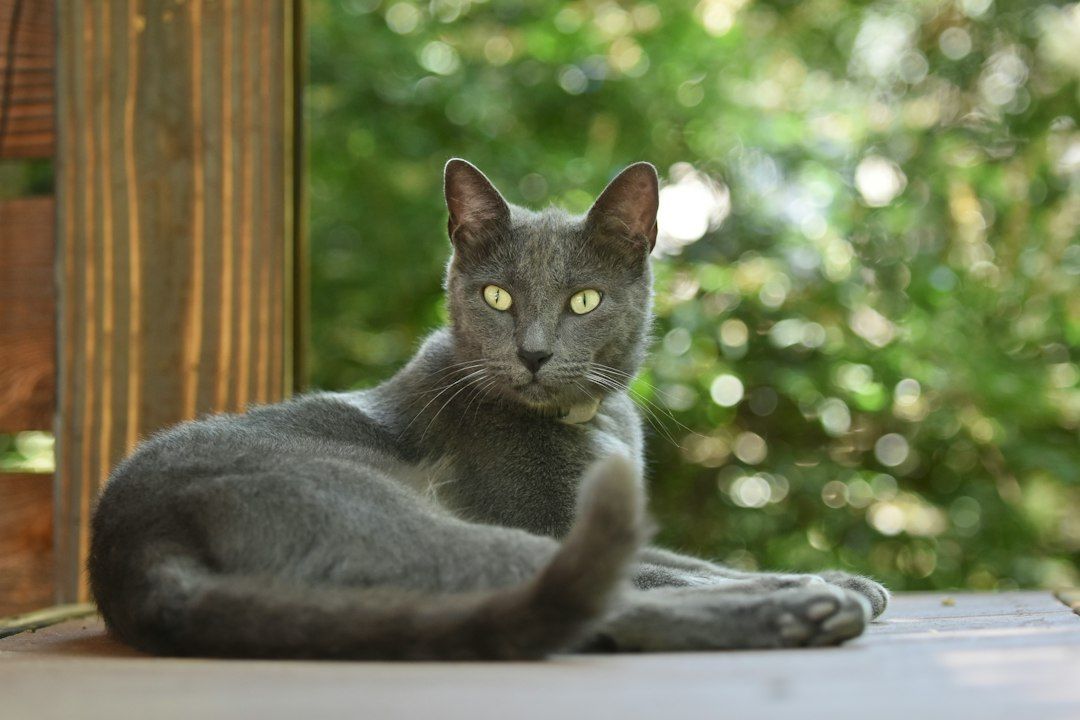
Cat insurance in Texas at a glance
If you have a cat in Texas, a single emergency can upend your budget. Veterinary sources consistently show four-figure bills for issues like urinary obstruction or fracture repair, and most cats will face dental disease at some point in life. The AVMA notes oral disease is widespread in adult cats, and the Texas Department of Insurance (TDI) reminds consumers to review preexisting condition rules and waiting periods closely. This guide explains how cat insurance Texas policies work, what they commonly cover or exclude, how dental and chronic conditions are treated, and how to get accurate cat insurance quotes without provider bias. We also break down indoor vs outdoor risk and Texas-specific cost realities.
How Texas pet insurance for cats works
Cat insurance is typically sold in three pieces. Understanding these will help you pick the right fit and avoid claim surprises.
-
Accident only covers injuries like bites, lacerations, snake envenomation, or fractures.
-
Accident and illness adds disease coverage for issues such as diabetes, CKD, hyperthyroidism, asthma, pancreatitis, and cancer.
-
Wellness add-ons are optional budgets for routine care like vaccines, preventives, and dental cleanings. These are not insurance in the traditional sense. Most plans share the same cost-sharing structure:
-
Annual deductible you pay before coverage starts.
-
Reimbursement percentage, commonly 70, 80, or 90 percent of eligible charges.
-
Annual limit that caps payouts per year, sometimes unlimited. If you are new to pet insurance, see our plain-English explainer on deductibles, reimbursement, and annual limits.
Waiting periods and preexisting conditions matter more than anything else. TDI’s consumer materials and the NAIC’s shopper guides emphasize that conditions showing signs before enrollment are excluded. Many policies also have orthopedic waiting rules and special wording for bilateral conditions. Before you buy, compare how a policy defines preexisting, congenital, and hereditary conditions and confirm what medical records are required. Our Texas overview of waiting periods and preexisting rules can save you headaches at claim time.
What does it cost? The North American Pet Health Insurance Association (NAPHIA) reported average accident and illness premiums for cats around 387 dollars per year in 2023 in the United States, which pencils out to roughly low 30s per month. Texas pricing varies by ZIP code, age, and whether your cat goes outside. Urban ER and specialty fees in metro areas like Dallas, Houston, or Austin tend to run higher than smaller-town clinics. Veterinary services inflation has also outpaced general inflation in recent years, according to the U.S. Bureau of Labor Statistics, which is one reason annual limits and coinsurance choices deserve a second look.
If you want a broader framework before you shop, our guide to the best pet insurance for cats in Texas outlines the 10 factors that matter without recommending brands.
Core protections, exclusions, and how dental and chronic conditions are treated
What most accident and illness policies cover
- ER and urgent care visits, including exam fees when included or added by endorsement
- Diagnostics such as bloodwork, urinalysis, X-ray, ultrasound, and advanced imaging
- Surgery, hospitalization, and prescription medications
- Cancer care, from biopsies to chemotherapy and radiation
- Congenital and hereditary issues if not preexisting
- Some rehabilitative therapies when medically necessary
Common exclusions to watch for
- Preexisting conditions or anything with prior signs or symptoms
- Preventive care without a wellness add-on
- Elective or cosmetic procedures and breeding-related care
- Dental cleanings and prophylaxis unless your plan’s wellness covers them
- Behavior training unless specifically endorsed
- Prescription diet food in many policies
- Waiting period claims and conditions tied to policy-specific waiting rules TDI advises Texans to request and read the sample policy, not just a brochure, before enrolling. That is also our advice after years of helping clients interpret fine print.
Dental coverage for cats
Dental is where expectations and policy language often collide. AVMA and AAFP guidance underscore that periodontal disease, tooth resorption, and stomatitis are common in adult cats. Policies usually split dental into two buckets:
- Dental accidents, such as fractured teeth from trauma, are commonly covered.
- Dental illness, like periodontal disease or resorptive lesions, may be covered only when deemed medically necessary and sometimes only if your cat has had routine dental care. Cleanings are usually wellness items, not insurance. Ask the insurer to confirm in writing whether dental illness is covered, what “medically necessary” means, and whether annual exams or cleanings are required to maintain eligibility. Because dental treatments with extractions can run several hundred to over a thousand dollars depending on severity and anesthesia time, clarifying this up front matters. CareCredit’s consumer education and veterinary hospital resources like VCA note that dental procedures vary widely in cost but often land in the four-figure range when advanced work is needed.
Chronic and hereditary conditions
Strong accident and illness plans cover chronic conditions for the life of your pet, subject to the annual limit and coinsurance. Think diabetes, asthma, chronic kidney disease, or hyperthyroidism. AAFP’s feline senior care guidelines highlight that CKD and hyperthyroidism are common in older cats, so it pays to choose an annual limit that can handle recurring lab monitoring, medications, and occasional hospitalizations. Prescription diet food is commonly excluded, but some insurers reimburse a portion when a veterinarian prescribes it for a covered condition. Always verify.
Texas-specific examples we see in claim narratives and veterinary sources:
- Urethral obstruction in male cats is a common emergency. PetMD and VCA note these cases frequently exceed 1,000 dollars due to catheterization, hospitalization, and monitoring.
- Fracture repair for an outdoor cat can run into several thousand dollars with orthopedic surgery, per CareCredit’s procedure cost articles.
- Venomous snake bites in Central and South Texas may require antivenom and ICU care, which can be a substantial, time-sensitive expense. For a fuller sense of costs by scenario, review our Texas primer with sample vet bills and savings.
Indoor vs outdoor cat insurance in Texas
Indoor and outdoor lifestyles carry different risk profiles in Texas. That should influence the limit and add-ons you choose.
For primarily indoor cats
-
Lower trauma risk but meaningful exposure to dental disease, urinary issues, asthma, pancreatitis, and cancers as they age.
-
Consider accident and illness with a moderate-to-high annual limit, exam fee coverage, and prescription medication coverage.
-
Wellness add-ons can make sense if you already do annual care. If not, build a simple budget instead. Our take on wellness add-ons vs insurance explains when these pencil out.
-
Keep an eye on waiting periods and how the policy defines preexisting urinary or respiratory conditions. For outdoor or indoor-outdoor cats
-
Higher risk from vehicle strikes, predator encounters, infectious disease, parasites, and snake bites, plus heat-related illness in Texas summers.
-
Favor higher annual limits, fewer exclusions around ER and specialty care, and direct pay options where available.
-
Add exam fee coverage and rehab benefits if offered.
-
Confirm that bite wound treatment, transfusions, and antivenom are eligible. In our experience, outdoor cat insurance performs better when the plan is configured with robust limits. Not sure how coverage differs by species in mixed-pet homes? See our overview on dogs vs. cats and how to pick coverage.
Step-by-step checklist to get accurate cat insurance quotes in Texas
You can speed approval and avoid disputes by lining up details before you quote.
- Gather the facts your insurer will check
- Cat’s age, breed or mix, sex, and whether spayed or neutered
- Lifestyle details such as indoor only or indoor-outdoor
- Prior diagnoses, medications, and any recommendations in records
- Microchip number and primary veterinary clinic
- Request your medical records now
- Ask your clinic for SOAP notes and lab results from the last 12 to 18 months or since adoption.
- If you are adopting, get shelter or rescue medical records, including any known conditions.
- Decide on structure before brand
- Pick your annual limit target, deductible, and reimbursement rate first. This keeps comparisons apples to apples. Our how to compare quotes without bias worksheet can help.
- If you already have a budget in mind, use it to choose limits rather than cutting coverage first.
- Verify the big four in writing
- Preexisting condition definition and look-back period
- Waiting periods for illness, accidents, and orthopedic issues
- Whether exam fees are covered
- Dental illness coverage terms and any routine care requirements
- Ask for a sample policy and a pre-claim check
- Reputable insurers will share a sample policy. Read the exclusions and definitions section, not just the benefit list.
- Some carriers will review a known, existing condition scenario before you enroll so you know what would be covered.
- Set up your claim workflow
- Learn whether your clinic supports direct pay or if you will be reimbursed. Our guide to claims, direct pay, and reimbursement timelines explains how to avoid slowdowns.
- Save your invoices, medical notes, and itemized receipts at every visit. Following this checklist reduces back-and-forth and shortens the time from quote to approval.
Practical insights for Texas cat owners
From years of helping families interpret policies, here are the points that consistently create good outcomes.
- Buy early, ideally before your kitten’s first big vet visit. Preexisting rules are the number one reason claims are denied. The NAIC and TDI both stress reading these definitions.
- Choose limits for tomorrow’s care, not today’s prices. Veterinary services inflation has been persistent, per BLS data. We generally see strong value at 10,000 dollars or unlimited annual limits for outdoor cats and 5,000 to 10,000 dollars for indoor cats, budget permitting.
- Dental illness is worth clarifying up front. Ask whether tooth resorption, stomatitis, and periodontal disease are treated as covered illnesses and what documentation is required.
- Chronic condition support separates good policies from frustrating ones. AAFP notes CKD and hyperthyroidism are common in older cats. Confirm lifetime coverage with no per-condition cap, check whether prescription meds are included, and look for reasonable coverage of follow-up diagnostics.
- Keep your records tidy. Many disputes boil down to missing or incomplete medical histories. Include referral notes when specialists are involved.
- Location matters. We routinely see higher ER totals in the major metros and during peak heat months. Outdoor cats in Central and South Texas often benefit from higher limits due to snake and heat risks.
- If you also care for a dog, do not assume identical coverage terms. Compare species-specific needs with our Texas guide to dog insurance coverage and claims. If you are still mapping your plan, start with the big-picture framework in Best Pet Insurance in Texas, then use the preexisting and waiting periods guide to tighten your short list.
Conclusion
The right Texas pet insurance for your cat should be simple to use, transparent on dental and chronic condition coverage, and sized to the lifestyle risk you actually face. Indoor cat insurance usually benefits from strong illness coverage with a focus on chronic care and diagnostics. Outdoor cat insurance often calls for higher limits and inclusive ER terms. Use TDI’s consumer guidance as your checklist, apply AVMA and AAFP health insights to your cat’s life stage, and insist on clarity in writing before you enroll. With the right structure and records in place, you can turn unpredictable vet bills into a plan you control.
Calahan Insurance Agency
Let’s achieve your goals together. Reach out today for personalized support tailored to your vision. At Calahan Insurance Agency, our mission is to make customers smarter about their insurance. While we do not promote specific pet insurance brands, we help you think like an underwriter, compare coverage terms without bias, and pick limits that match your cat’s Texas risk profile. If you are weighing indoor vs outdoor exposures, wondering how dental or chronic care will be treated, or deciding whether wellness belongs in your budget, we can help you build a clear, confident plan. Contact us to talk through options or to get connected with resources that fit your needs.
Need coverage advice? Let’s talk.
Get a fast, no-pressure quote and guidance tailored to your needs.