
Texas Motorcycle Insurance Quotes Guide
If you ride in Texas, you know the state’s wide-open roads and long season bring unique risks and price factors. Since 2001 I’ve helped riders compare coverage and seen the same issues derail otherwise good quotes: missing info, mismatched coverages, and failing to account for theft hot spots and year-round mileage.
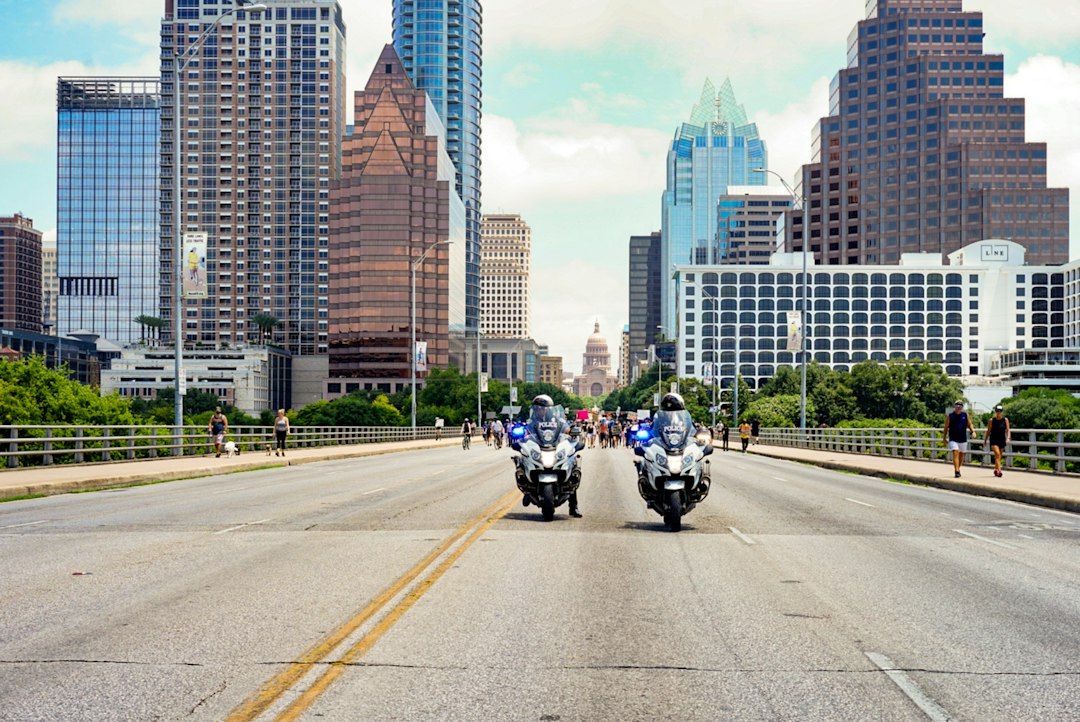
Get Texas motorcycle insurance quotes right the first time
If you ride in Texas, you already know the state’s wide-open roads and long season come with unique risks and price factors. As an agent who has helped riders compare coverage since 2001, I see the same issues derail otherwise good quotes: missing info, mismatched coverages, and not accounting for Texas-specific cost drivers like theft hot spots and year-round mileage. This guide shows you exactly what to gather, which coverages to consider, and how to compare motorcycle insurance quotes without bias so you can bind the right policy fast and ride with confidence.
Texas rules, realities, and the quoting landscape
Before you ride, Texas requires you to show financial responsibility on your motorcycle. The Texas Department of Insurance (TDI) lists the minimum liability limits for vehicles, including motorcycles, as 30,000 per person, 60,000 per accident for bodily injury, and 25,000 for property damage. You will often see this written as 30/60/25. TDI also recognizes alternatives such as a surety bond or a cash or securities deposit, but most riders opt for an insurance policy because it is simpler to maintain. For a refresher on how Texas liability limits work, see our explainer on Texas Auto Insurance Requirements.
Licensing is handled by the Texas Department of Public Safety (DPS), which issues the Class M designation for motorcycle operators. An approved Motorcycle Safety Foundation (MSF) course is the most common path to a Class M, and many insurers provide premium credits for completing MSF training. That certificate is worth having on hand when you shop.
Two realities shape Texas motorcycle insurance rates more than many riders expect:
- Riding seasonality: Compared to northern states, much of Texas offers 10 to 12 months of rideable weather in many regions. That means more exposure on the road, which some carriers reflect in rating. If you truly store the bike part of the year, ask whether your carrier allows storage adjustments. Never remove liability if you might move the motorcycle.
- Theft concentrations: According to the National Insurance Crime Bureau (NICB), Texas consistently ranks among the top states for motorcycle thefts, with activity concentrated around large metro areas. That does not mean you will pay through the roof, but it does mean ZIP code, parking type, and anti-theft gear matter. Texas also permits the use of credit-based insurance scores in rating, subject to consumer protections monitored by TDI. If your credit file is frozen, consider a temporary lift during quoting so insurers can return an accurate rate. Finally, a lapse in coverage is a common penalty trigger in Texas. Even a short gap can raise your premium and limit physical damage options until your policy has been active for a period.
If you bundle other lines, you can often offset these Texas-specific costs. Many carriers provide meaningful credits when you pair your motorcycle with home or auto. Explore potential bundle savings in our guide to Texas Home & Auto Insurance Quotes: Bundle & Save and our broader Texas Car Insurance Quotes Guide.
Coverages and real-world examples that affect your price
Choosing the right mix of coverage is the single biggest lever you control in your motorcycle insurance quote Texas shoppers seek. Here is what most riders consider, plus how it plays out in real life.
- Liability insurance: Pays for injuries or damage you cause to others. Start by matching your auto liability limits or higher. With Texas medical costs and vehicle prices where they are, many riders choose limits above the minimum and then backstop with an umbrella if needed. Learn how an umbrella can protect your assets in Umbrella Insurance in Texas Explained.
- Uninsured and underinsured motorist (UM/UIM): Protects you if an at-fault driver has no insurance or not enough of it. TDI requires insurers to offer UM/UIM. It is a critical line on a bike, given the severity of motorcycle crashes.
- Medical Payments or Personal Injury Protection (PIP): Pays medical expenses for you and your passengers regardless of fault, subject to the policy. Texas insurers must offer PIP on auto policies. Availability and limits for motorcycles vary by carrier, so ask how your specific bike and use case are handled.
- Comprehensive: Covers non-collision losses like theft, vandalism, fire, or hail. Texas hail and theft exposures make comprehensive a smart consideration even on older bikes.
- Collision: Covers your motorcycle if it is damaged in a crash. Deductible choices meaningfully move your premium. If your bike is financed, your lender may require comp and collision.
- Custom parts and equipment: Most policies include a limited amount for accessories like saddlebags, aftermarket exhaust, paint, and electronics. If your upgrades outpace the built-in limit, schedule additional accessory coverage so you are made whole.
- Roadside assistance and trip interruption: Inexpensive add-ons that can be valuable on long rides, especially in remote parts of Texas.
- ABS and safety tech: The Insurance Institute for Highway Safety (IIHS) has reported that motorcycles with anti-lock brakes are linked with lower crash rates. Some carriers recognize this in rating, so note ABS on your quote. Three quick examples from the field:
- Houston commuter, older sport bike: Pleasure use accidentally coded as commute, garaged in a high-theft ZIP, no comprehensive selected. Price looks great until a covered theft would have been excluded. Correcting the use, adding comprehensive, and verifying a secure parking setup kept the premium reasonable and protected the bike.
- Hill Country tourer, new cruiser with accessories: The rider had several thousand dollars in upgrades and only the small built-in accessory limit. We scheduled accessory coverage, set collision and comprehensive deductibles to match risk tolerance, and added UM/UIM. A training certificate from the MSF Advanced RiderCourse also helped the rate.
- Panhandle seasonal rider: Stores the bike three months a year. The carrier allowed a storage endorsement that kept comprehensive active while pausing other coverages during declared storage periods. We set calendar reminders and stressed that any ride during storage must be preceded by reinstating full coverage.
How to request and compare motorcycle insurance quotes in Texas
You can get accurate motorcycle insurance quotes quickly if you prepare a complete file and compare apples to apples. Here is the process I recommend when you want a motorcycle insurance online quote or prefer working with an independent agent.
What to gather first:
- Your Texas garaging address and typical parking details
- VIN, year, make, model, and any factory or aftermarket safety features
- Estimated annual mileage and primary use, such as commute or pleasure
- MSF course certificates and any other safety training
- Prior insurance details, including effective dates to avoid a lapse
- Driver license number and Class M status
- List and value of accessories and riding gear you want covered
- Claims or violation history for the past 3 to 5 years
- Lienholder information if the bike is financed Step-by-step to keep quotes unbiased and comparable:
- Define your must-have coverages and target deductibles. If you already know your preferred auto limits, mirror them. Review the basics in Texas Auto Insurance Requirements and then adjust upward as needed.
- Ask an independent agency to quote several A-rated carriers with the same limits, deductibles, and endorsements. Independent agencies do not push one brand, which keeps the comparison clean.
- Standardize every quote. Liability, UM/UIM, MedPay or PIP, comprehensive and collision deductibles, accessory limits, roadside, and any OEM parts language should match. If one carrier includes a fee, add it to the others so the totals are apples to apples.
- Address Texas-specific rating triggers. Confirm use type is correct, make sure your credit freeze is lifted if you want the carrier to score it, and disclose training certificates for potential credits with MSF or DPS-approved courses.
- Look beyond the price. Consider claims handling, OEM parts language, accessory valuation, and whether the carrier offers multi-policy credits with your home or car. Bundling can meaningfully reduce Texas motorcycle insurance rates. Explore bundling options for home in our Texas Homeowners Insurance Quotes Guide and for autos in Texas Car Insurance Quotes Guide. If you also want telematics for your cars, see Telematics & Usage-Based Insurance in Texas.
- Decide how you want to buy motorcycle insurance in Texas. If you prefer to get motorcycle insurance quote details by phone, an agent can walk you through scenarios. If you want an insurance quote for a motorcycle online, request a standardized quote packet via email so you can compare on your terms. Rating pitfalls that inflate premiums, and how to avoid them:
- Lapses in coverage: Start your new policy before the old one cancels. Even a short gap can raise rates.
- Mismatched garaging address: Use the exact place the bike is kept most nights. Carriers verify this.
- Underreported accessories: If you have upgrades, schedule enough accessory coverage. Otherwise, you may only have a small built-in limit.
- Wrong use classification: If you commute even part-time, make sure the policy reflects it. Claims investigations look at use.
- Credit file locked: A freeze can delay or skew rating. Temporarily lift it if you want the most accurate price.
- Skipping UM/UIM: Texas has a meaningful share of uninsured drivers. Declining UM/UIM may save a little now but can cost a lot after a serious loss. If you ride for work or run multiple business vehicles, our Texas Commercial Auto Insurance Guide and fleet resources may be a better fit.
Bringing it all together for Texas riders
Texas offers incredible riding, and with a little preparation you can secure a motorcycle insurance quote Texas riders can trust to be accurate. Start with TDI and DPS rules to confirm you meet legal requirements. Build a coverage set that fits how and where you ride, with special attention to UM/UIM, accessories, and comprehensive for theft and hail. Gather your details once, and ask an independent agency to quote several carriers with the same specs so you can compare fairly. Whether you prefer a motorcycle insurance online quote or a call with an advisor, a clean process avoids surprises and helps you bind coverage fast.
Finally, think in layers. Match or exceed your auto liability limits, consider an umbrella for extra protection, and use multi-policy credits to offset price. With a clear plan, you can buy motorcycle insurance in Texas confidently and focus on what matters most, which is the ride.
Calahan Insurance Agency
Ready to take the next step? Reach out and we will put our experience to work on your behalf. We will help you define the right limits, gather the details that move the price, and compare carriers side by side so your decision is easy and informed. Whether you want a quick motorcycle insurance online quote or a deeper conversation about bundling home and auto, we make the process straightforward and pressure free. Contact Calahan Insurance Agency to get motorcycle insurance quotes tailored to how you ride, with guidance rooted in real-world claims and practical advice. Let’s get you covered and back on the road with confidence.
Need coverage advice? Let’s talk.
Get a fast, no-pressure quote and guidance tailored to your needs.