
Texas Hail & Wind: How to Protect Your Home Without Breaking the Bank
If you've ever done the math on a wind-hail deductible, you know how much the details matter. A 2% wind and hail deductible on a $400,000 dwelling means you are responsible for the first $8,000 of a hail claim. In Texas, careful quoting saves money and stress.
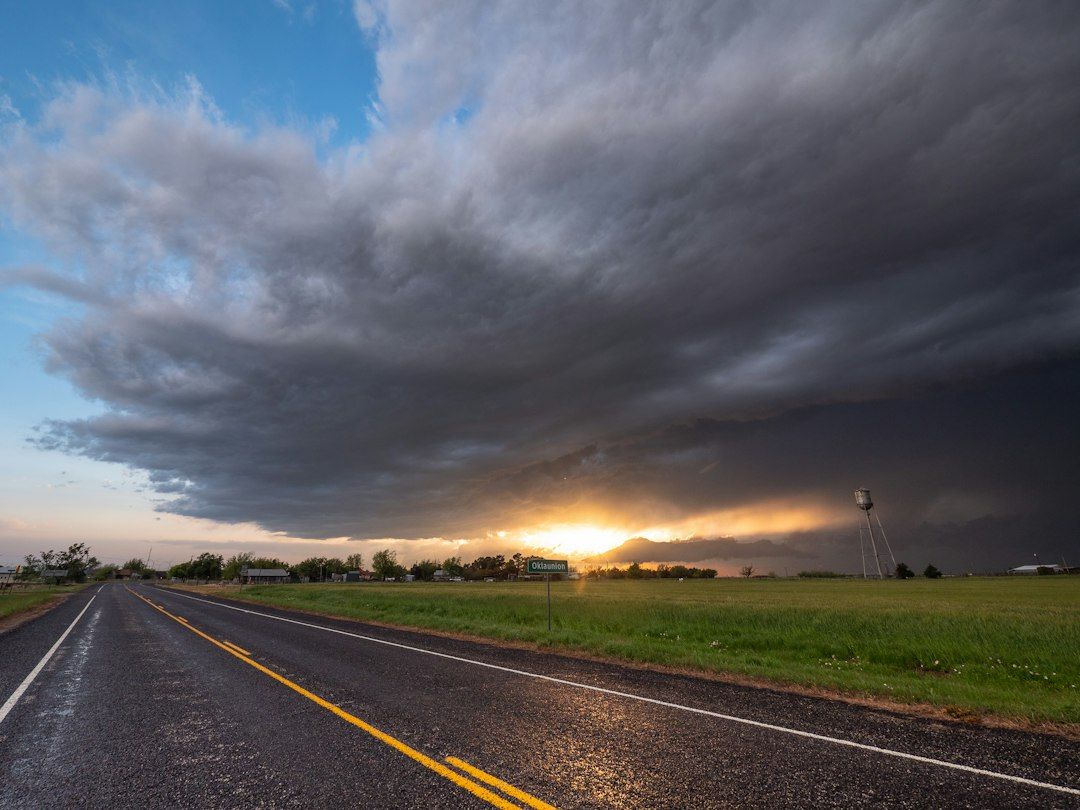
Get a precise Texas homeowners insurance estimate without surprises
If you have ever done the math on your wind-hail deductible, you know how much the details matter. A 2 percent wind and hail deductible on a 400,000 dwelling means you are responsible for the first 8,000 of a hail claim. In a state where wind and hail drive much of the loss activity, a careful approach to Texas homeowners insurance quotes can save real money and stress. As an agent who builds policies every day, I will show you how to request accurate quotes, understand roof and wind-hail rules, and avoid the pitfalls that delay binding.
Why Texas homeowners insurance quotes feel different
Texas is a unique property market for three big reasons: hail and wind frequency, fast-changing construction costs, and insurer underwriting that closely tracks local risk. The Texas Department of Insurance (TDI) sets the regulatory framework and provides consumer protections, while most carriers base their policy language on Insurance Services Office (ISO) homeowners forms such as HO-3 and HO-5. Insurers also use ISO-Verisk tools like Public Protection Class (PPC) - a 1-to-10 score of your local fire protection - to price risk. PPC is influenced by your distance to a fire station and hydrants, which is why otherwise similar homes can price differently.
Severe convective storms have been a major national story, with catastrophe analysts reporting record insured losses from wind and hail in recent years. Texas is often at the center of those outbreaks. That ripple effect shows up in rates, roof coverage terms, and how carriers structure deductibles. According to the Insurance Information Institute, wind and hail are the most frequent cause of homeowners claims nationwide, which aligns with what we see on the ground in Texas.
Three other realities shape a home insurance quote Texas homeowners receive:
- Roofs drive outcomes. Older or brittle roofs may be covered on an actual cash value basis rather than replacement cost, especially in hail-prone counties.
- Deductibles are often split. You might carry a separate wind and hail deductible apart from an all other perils deductible.
- Coastal exceptions exist. Near the coast, some carriers exclude windstorm coverage and rely on the Texas Windstorm Insurance Association for that peril. Eligibility can depend on a windstorm inspection certificate. Flood is not covered by homeowners policies. If your mortgage requires it or you want the protection, you need a separate policy through the National Flood Insurance Program or a private market. See our plain-English guide to options in Texas Flood Insurance: 2025 Guide & Quotes.
Finally, bundling can offset rising rates. Many carriers provide significant credits for pairing homeowners with auto. If you are shopping both, start here: Texas Home & Auto Insurance Quotes: Bundle & Save.
Core coverages to compare in every quote
The cleanest comparisons start with identical limits and deductibles. Here is how I explain the key pieces when reviewing Texas homeowners insurance quotes:
Dwelling - Coverage A
This is the cost to rebuild your home with like kind and quality at today’s prices, not the market value. Replacement cost estimators consider square footage, story count, roof shape and material, exterior walls, interior finishes, and regional labor. In periods of construction inflation, confirm whether your policy includes extended replacement cost - often 25 to 50 percent above Coverage A - and ordinance or law coverage that pays for code upgrades. ISO-based HO-3 policies usually include some ordinance coverage by default, but higher limits are often wise for older homes.
Example: A 375,000 Coverage A with 25 percent extended replacement cost provides up to 468,750 if a total loss exceeds the base limit due to inflation or code changes.
Personal property - Coverage C
Most homeowners policies cover contents on a replacement cost basis if you select that option. Jewelry, firearms, collectibles, and fine arts have sublimits. If your appraisals exceed those sublimits, ask to schedule items. HO-5 policies often broaden coverage for contents, but are typically offered to newer, well-maintained homes and clean claims histories.
Loss of use - Coverage D
If a covered loss makes your home uninhabitable, this pays for additional living expenses like a rental home or hotel, meals, and extra mileage. Many Texas policies set this as 20 percent of Coverage A, though some carriers use a time limit. During prolonged events like the 2021 winter freeze, this coverage kept families housed while repairs were underway. Confirm whether your quote uses a dollar limit or a time cap.
Personal liability - Coverage E
This covers bodily injury or property damage you are legally responsible for, on and off premises. I rarely recommend less than 300,000 and often suggest 500,000. If you have meaningful assets or future income to protect, consider an umbrella policy to add another 1 million or more in protection. Our primer explains how it layers over home and auto: Umbrella Insurance in Texas Explained.
Wind and hail deductible Texas - what to know
In many counties, you will see a separate percentage deductible for wind and hail. It applies to roof and exterior damage from hail or wind, including tornados.
- A 1 percent deductible on a 500,000 dwelling equals 5,000 out of pocket.
- A 2 percent deductible on a 400,000 dwelling equals 8,000. Some carriers allow a flat wind-hail deductible or higher percentages in high-risk zones. Choose a number you can comfortably pay. When you compare homeowners insurance estimate Texas options, keep these deductibles identical so you are comparing apples to apples.
Roof coverage Texas - ACV vs RCV and impact-resistant shingles
Carriers scrutinize roof age, material, and condition. Two things to confirm in your quote:
- Replacement cost value vs actual cash value. RCV pays the full cost to replace, after your deductible. ACV subtracts depreciation for age and wear. On older roofs in hail counties, ACV endorsements are common.
- Impact-resistant shingles. Texas law requires insurers to offer premium credits for UL 2218 Class 4 impact-resistant roofs when they are properly installed. Ask about credits and whether cosmetic-only metal roof damage would be excluded. A Class 4 upgrade can meaningfully reduce premiums and the likelihood of a claim. Case in point: A homeowner with a 15-year 3-tab roof hit by hail had an ACV roof endorsement and a 2 percent wind-hail deductible. After depreciation and the deductible, the claim payment would not have covered a full replacement. That same home with an RCV roof endorsement and a Class 4 roof would likely have enjoyed a discount and a much better claim outcome.
Endorsements worth considering in Texas
- Water backup of sewers or drains - protects against sump pump failure or sewer backup.
- Foundation water damage - often called slab leak coverage - helpful for homes on concrete slabs where leaks under the foundation cause damage.
- Service line - pays for underground utility line repairs from your home to the street.
- Equipment breakdown - protects appliances, HVAC, and home systems from mechanical or electrical breakdown.
- Mold remediation - Texas policies often have sublimits. Know yours and consider options to raise it. Own a condo instead of a house? The coverage mix is different. See our owner’s guide to Texas Condo Insurance.
What really drives a home insurance quote Texas homeowners receive
Pricing is more than square footage. From an underwriting standpoint, these factors usually move the needle the most:
- Roof age, material, and condition - newer, architectural or metal, and impact rated generally price better than older 3-tab shingles.
- Claims history - insurers review prior losses using CLUE reports. Multiple water or hail claims can raise rates or trigger coverage restrictions.
- Construction and updates - year built and the year of roof, plumbing, electrical, and HVAC updates matter.
- Local hazard - hail corridor, wildfire exposure, coastal wind, and crime data are baked into territory rating.
- Fire protection - ISO PPC class and distance to a hydrant or station can influence the fire portion of your premium.
- Occupancy and liability features - pools, trampolines, wood stoves, and certain dog breeds change both eligibility and price. If you have a dog, review medical payments and liability limits, and see our notes on dog insurance coverage in Texas.
- Credit-based insurance score - Texas allows insurers to use credit information within TDI rules. Positive credit can materially reduce premiums.
- Discounts - new home, monitored alarm, water leak sensors, impact-resistant roof, hail-resistant skylights, and multi-policy bundle credits. Start with a bundle strategy here: Texas Home & Auto Insurance Quotes: Bundle & Save. Flood exposure is a separate conversation. For flood zones and premiums, start with Texas Flood Insurance: 2025 Guide & Quotes. Homeowners policies do not cover flood, and mortgage lenders often require a separate policy.
Special note for home-based businesses: If you run a licensed childcare from home, your homeowners policy likely excludes or limits business liability. You may need a separate policy or endorsements. Our overview explains requirements and how to close gaps: Texas Home Daycare Insurance: Quotes & Requirements.
Homeowners quote online Texas - realistic expectations
Online quote forms are a good start, but bindable quotes require accurate details about your home and a verification of roof age, updates, and claims. Many carriers order exterior inspections or request photos before or shortly after binding. If your goal is a fast, accurate number, be ready with specifics.
Homeowners insurance estimate Texas - a step-by-step quote checklist
Use this list to get accurate, apples-to-apples quotes the first time:
- Property details - full address, year built, square footage, number of stories, foundation type, and construction type.
- Roof specifics - material, pitch, age, any prior repairs or full replacement, and whether it is UL 2218 Class 4.
- System updates - years for plumbing, electrical panel and wiring, HVAC, and water heater. Note any galvanized or polybutylene piping or Federal Pacific or Zinsco panels.
- Exterior features - deck, fencing, detached structures, solar panels, flat or low-slope sections, skylights.
- Safety features - monitored smoke, burglar, water leak sensors, fire sprinklers, deadbolts, pool fences and self-latching gates.
- Occupancy and use - primary, secondary, seasonal, or rented. Home-based business activities or short-term rentals. Pets in the household and breeds.
- Coverage preferences - target Coverage A based on a replacement cost estimator, personal property replacement cost, jewelry or collectibles to schedule, water backup limits, foundation water coverage, mold sublimit, ordinance or law limits, and extended replacement cost percentage.
- Deductibles - align the all other perils and wind-hail deductibles across quotes.
- Liability and umbrellas - choose 300,000 or 500,000 for personal liability and note any interest in a 1 million umbrella. See Umbrella Insurance in Texas Explained for how it coordinates with home and auto.
- Mortgagee and escrow - lender name and loan number, whether you escrow premiums.
- Claims history - dates, causes, and amounts paid for the last 5 years. Close any open claims prior to shopping if possible.
- Current policy - declarations page to mirror endorsements and identify gaps.
- Photos - clear, recent exterior photos and roof overview if available can speed up underwriting. With that information, most carriers can produce a clear, bindable homeowners insurance estimate Texas shoppers can rely on.
Avoid common pitfalls that delay binding or lead to re-quote
A few avoidable issues cause the most friction at binding:
- Guessing roof age - underwriters will verify. If you are not sure, ask your roofer or review permits.
- Missing updates - failing to note an electrical or plumbing upgrade can cost you discounts and accuracy.
- Unreported hazards - pools without fences, wood stoves, knob-and-tube wiring, or flat roofs will surface during inspection and may require fixes or endorsements.
- Prior losses not disclosed - CLUE will reveal them and the carrier may re-rate or decline. Disclose upfront for clean comparisons.
- Coverage mismatches - comparing RCV vs ACV on roofs or different wind-hail deductibles skews price comparisons.
- Lender information errors - the wrong mortgagee clause leads to billing delays and last-minute reissues.
- Business use assumptions - short-term rentals or home daycares need special treatment. See Texas Home Daycare Insurance: Quotes & Requirements to avoid coverage gaps.
Practical insights from the field
A few patterns I see daily:
- Replacement cost matters more than rate. A lower premium with an ACV roof endorsement and a 2 percent wind-hail deductible can be a false economy. Ask your agent to model the claim math both ways so you can choose with eyes open.
- Impact-resistant roofs are a double win. They can reduce both the chance of a claim and the premium. TDI notes that carriers must offer credits for UL 2218 Class 4 roofs. Confirm the exact credit in your quote and whether cosmetic metal damage is covered.
- Water backup is often the most claimed endorsement. It is relatively inexpensive and pays for itself in one incident. Pick a limit that reflects potential damage from a lower-level backup.
- Credit hygiene pays. Texas allows credit-based insurance scoring within TDI rules. Paying down revolving balances and avoiding late payments can lead to better rates over time. Insurers must provide adverse action notices if credit negatively affects your price, so ask for clarification.
- Align loss of use with real rental costs. During extended repair periods, especially after wide-area events, hotel or rental rates rise. Consider higher additional living expense limits or time limits that reflect local realities.
- Bundle smart. If you have teen drivers or higher-value vehicles, the bundle discount can be substantial. Start here to build a cohesive plan: Texas Home & Auto Insurance Quotes: Bundle & Save. Flood remains a separate decision. If you live outside a mandatory flood zone, do not assume flood is low risk. About a quarter of flood claims occur outside high-risk zones nationwide. Get a realistic picture of premium and options through our guide to Texas Flood Insurance: 2025 Guide & Quotes.
Finally, tailor liability to your life. Pools, trampolines, and dogs increase exposure. Be candid with your agent and set limits accordingly. If pets are part of your household plan, our notes on dog insurance coverage in Texas can help you understand how health coverage differs from homeowners liability.
Bringing it together
Texas homeowners insurance is not one-size-fits-all. The right mix balances replacement cost accuracy, sensible wind-hail deductibles, and targeted endorsements like water backup, service line, and foundation water coverage. Request quotes with identical assumptions, ask how the roof is settled, and run the wind-hail math before you decide. When quotes are built this way, you will see real differences between carriers and can move forward with confidence.
If you own a condo, rent out part of your home, or operate a small childcare, the right structure looks different. We have plain-English guides for each, including Texas Condo Insurance and Texas Home Daycare Insurance: Quotes & Requirements, so you can ask precise questions and avoid surprises at claim time.
Calahan Insurance Agency
Ready to take the next step? Contact us today to discuss how we can help you achieve your goals and receive personalized support tailored just for you. Do not miss out on the opportunity to turn your plan into action. At Calahan Insurance Agency, our mission is to make you smarter about your insurance. We will help you build an apples-to-apples Texas homeowners insurance estimate, explain wind-hail and roof coverage in plain language, and find discounts that stick. Whether you prefer to start a homeowners quote online Texas style or you want a hands-on consult, we will meet you where you are, compare multiple A-rated carriers, and guide you to a policy you can trust when it matters most.
Need coverage advice? Let’s talk.
Get a fast, no-pressure quote and guidance tailored to your needs.