
Why Did My Homeowners Insurance Increase?
Find out why Texas homeowners insurance premiums rise, how to spot an escrow shortage, and what to send BIG to compare quotes before renewal.
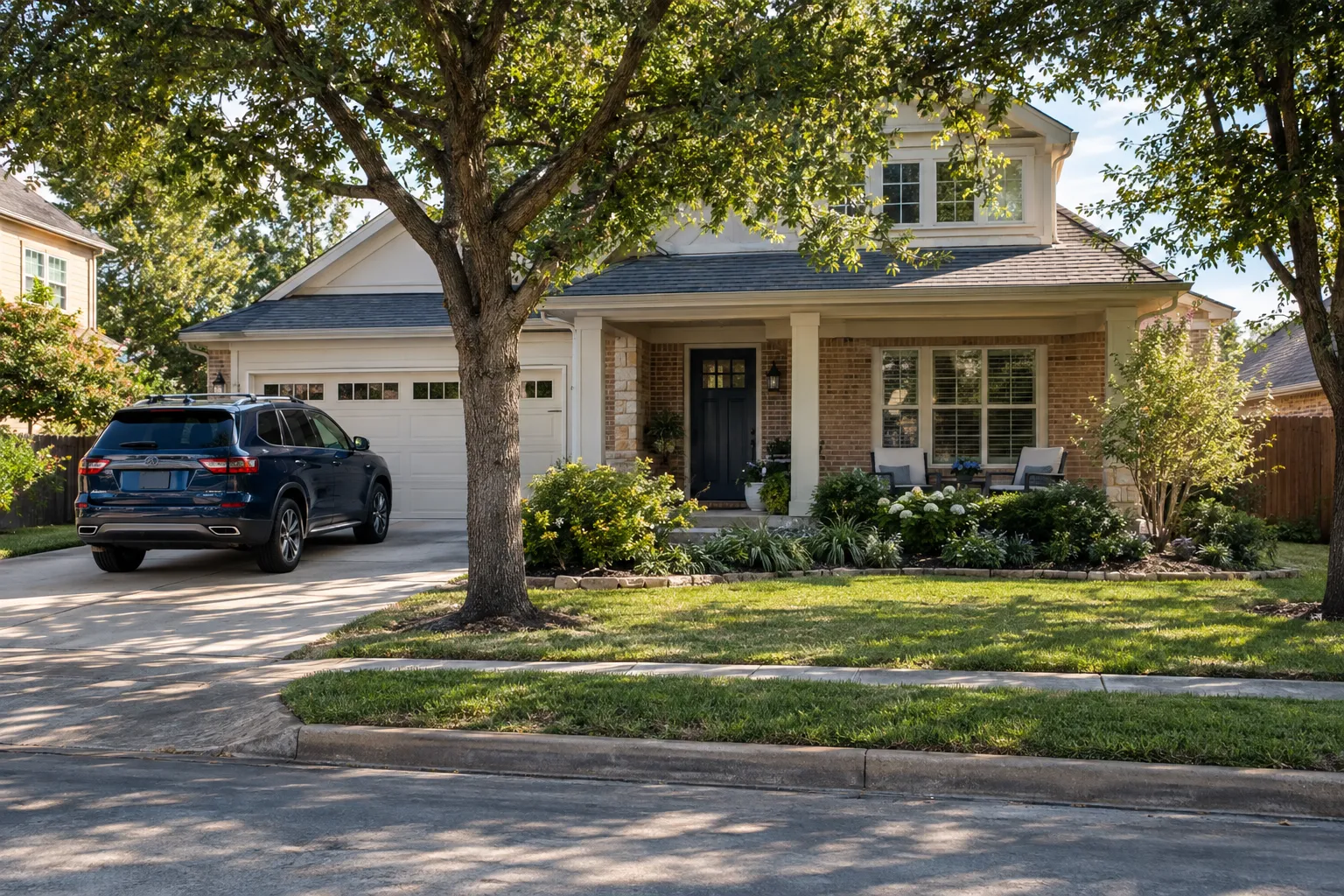
Your Texas homeowners insurance can go up at renewal even if you haven’t filed a claim or made a single change to your home. Your carrier may have raised its rates, increased the amount it estimates it would cost to rebuild your home, or updated how it prices homes in your area. And if the first thing you noticed was a higher mortgage payment, part of that jump could be property taxes or an escrow shortage. Texas Department of Insurance
At BIG-Brock Insurance Group, we start reviewing our clients’ premiums about six weeks before renewal and flag increases. When we see one, we run a fresh quote. That gives us a chance to see what other insurers would charge for comparable coverage while there’s still time to make a decision.
What can cause a sudden home insurance premium increase?
Your insurer changed its rates
Carriers consider what they expect to pay in claims across the homes they insure. When storms cause more expensive damage or repair costs rise, an insurer can raise rates even for homeowners with a clean claims history. Each carrier prices risk differently, so two companies can look at the same house and come back with very different premiums.
Your dwelling coverage went up
Check the dwelling limit, often called Coverage A, on your current and renewal declarations pages. If labor and materials cost more, your insurer may increase its estimate of what it would cost to rebuild your house. A higher dwelling limit can raise the premium even if you’ve made no renovations. If your wind and hail deductible is a percentage of the dwelling limit, check the dollar amount too. For example, a 2% deductible rises from $6,000 to $7,000 when the dwelling limit goes from $300,000 to $350,000.

Something changed on your policy or in how your home is rated
Look for changes to discounts, deductibles, or endorsements, which are additions or modifications to your policy. Your home’s age and condition, roof age, location, and claims history can also affect what a carrier charges. If the declarations pages show the same limits and deductibles but the premium still jumped, ask your agent or insurer what changed.
Why location matters in Friendswood and New Braunfels
In our Friendswood office, we often see higher home insurance costs closer to the Gulf Coast, where hurricane and wind exposure can affect pricing. When comparing quotes, check whether wind and hail are included and what deductible applies. If wind coverage is written separately, include that premium in your comparison.
In New Braunfels and across the Hill Country, we also talk with homeowners about flood risk. Heavy rain can cause flooding well inland, and standard homeowners policies generally exclude flood damage. Review your flood insurance options separately so you can see what protection you have and what it costs.
Did your homeowners premium go up or did your escrow payment change?
If you pay your home insurance through your mortgage and your monthly payment jumps, start with the escrow analysis statement from your mortgage servicer. Here’s what we tell clients to do:
- Compare the annual homeowners premium on your renewal with the premium on your expiring policy.
- Check the escrow statement for projected insurance payments, property taxes, and any shortage the servicer is collecting.
- If the numbers still don’t add up, ask your mortgage servicer for a breakdown of how it calculated the new monthly payment.
The difference between the two annual premiums tells you how much your insurance bill changed. Your escrow analysis tells you how much the servicer is collecting each month for upcoming bills and any prior shortage. You need both figures to understand the mortgage payment increase. Consumer Financial Protection Bureau

One BIG client faced a $2,500 renewal increase
During one of our early renewal reviews, we flagged a Texas homeowner whose annual premium was set to increase by $2,500. We shopped other carriers and found an option with another A-rated insurer that came in $500 below what the homeowner had been paying. That was a $3,000 difference from the proposed renewal.
As an independent agency, we can compare multiple insurers for the same home. We use similar coverage as the starting point when the current coverage still makes sense. A lower premium is worth a closer look, especially if you can see how the dwelling limit, deductibles, and roof coverage compare. Our side-by-side home insurance quote checklist shows what to look for.
What to send us before your policy renews
Our advice is to reach out about six weeks before your renewal date. If the notice arrives later, send it over when you get it. The earlier we can see what changed, the more time we have to compare quotes before the current policy expires.
To get started, send us:
- The renewal declarations page and the declarations page for the policy that’s about to expire.
- Your latest escrow analysis statement, if available, especially if your mortgage payment changed.
- Any updates since your last renewal, including claims, a new roof or other work on the home, or a change in your mortgage or servicer.
If you’re weighing whether to stay with your current carrier, our guide to when to re-shop Texas homeowners insurance can help you decide. You can also get a homeowners insurance quote from BIG. Our Friendswood and New Braunfels teams can review your renewal and show you how the available options compare.