
Best Home and Auto Insurance Bundles for Texas Seniors
If you are retired in Texas, bundling home and auto insurance can be one of the cleanest ways to simplify your finances and reduce your total premium. But the “best” bundle for a senior is rarely the one with the biggest advertised discount. It’s the one that fits how you actually live now.
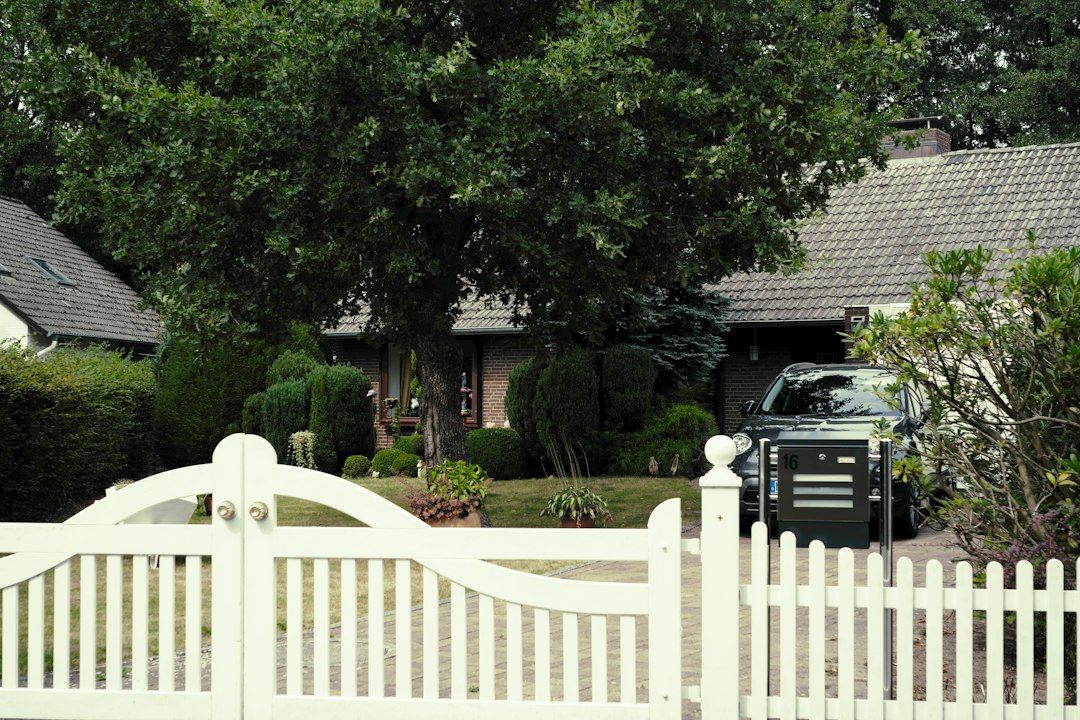
If you are retired in Texas, bundling home and auto insurance can be one of the cleanest ways to simplify your finances and reduce your total premium. In practice, though, the “best” bundle for a senior is rarely the one with the biggest advertised discount. It is the one that matches how you actually live now: fewer miles, more time at home, a home that may be paid off, and a bigger need to protect savings from a lawsuit or medical-related expenses after an accident.
As an independent Texas agency, we see seniors get the best auto home insurance rates when the carrier is priced correctly for their risk profile and the coverage is structured to prevent costly gaps.
Why Bundling Works Differently for Retirees in Texas
Bundling generally means placing your home (or condo) and your auto with the same carrier to earn a multi-policy discount. For seniors, the real advantage is not only the discount. It is coordination: one underwriting appetite, one claims philosophy, and fewer surprises when something happens.
Here are the bundling considerations that are especially “senior-specific” in Texas:
- Reduced mileage and changed driving patterns: Many older drivers self-limit and drive fewer miles. National travel data summarized by the Insurance Institute for Highway Safety (IIHS) notes drivers 70+ drive substantially fewer miles on average than middle-aged drivers, and driving patterns can shift toward local roads. That matters because your annual mileage, territory, and vehicle use classification (pleasure vs commute) are all rating inputs. That is one of the biggest unlocks for seniors shopping for the best home and auto insurance for seniors.
- Medical and liability stakes feel higher: IIHS also notes that fatal crash rates per mile traveled increase starting around age 70, largely tied to fragility and injury susceptibility rather than purely “bad driving.” In insurance terms, that means bodily injury claims can get expensive fast, and higher liability limits become more important as you age.
- Paid-off homes and “insurance to value” issues: When the mortgage is gone, many retirees are tempted to cut corners on the home policy. The risk is underinsuring the dwelling limit and getting hit with penalties or out-of-pocket rebuilding costs after a major loss. Rising repair and rebuilding costs are still a major pressure point in Texas, which is why we focus heavily on replacement cost accuracy when we bundle.
- More time at home can change exposures: Retirees often host family more, travel seasonally, or hire help for lawn care, housekeeping, or caregiving. Those lifestyle changes can affect premises liability and the need for umbrella coverage. Bundling is still a great strategy, but seniors benefit most when we re-underwrite the whole household, not just “move the policies together.”
What “Best” Really Means in a Senior Bundle (Coverage Priorities That Protect Savings)
When clients ask us for the best auto home insurance rates, I always add: “Best rate for what coverage?” Seniors are often in a phase of life where protecting assets matters more than shaving a few dollars.
1) Right-size your auto policy for retirement driving
If you are no longer commuting daily, you may qualify for a lower rate based on use. But do not let “less driving” become “less protection.”
A practical senior-friendly auto setup often includes:
- Higher liability limits than the state minimum
- Texas requires at least 30/60/25 liability coverage (often written as 30/60/25). The Texas Office of Public Insurance Counsel (OPIC) explains this as $30,000 per person bodily injury, $60,000 per accident bodily injury total, and $25,000 property damage. For many retirees, that is simply not enough protection for today’s medical and vehicle repair costs.
- Uninsured/underinsured motorist (UM/UIM) to protect you if the other driver does not carry enough insurance.
- Personal Injury Protection (PIP) or Medical Payments (MedPay) for faster access to medical funds regardless of fault.
- A deductible you can comfortably pay without disrupting a fixed income. If you are curious about modern “mile-based” pricing, you may also like our guide to Telematics & Usage-Based Insurance in Texas.
2) Make sure your home coverage reflects today’s rebuild costs
Texas homeowners have dealt with hail, wind, and severe convective storms for years. The bigger trap I see with seniors is a home limit that has not been updated to reflect current labor and materials.
Two senior-specific notes:
- If your home is paid off, you can choose coverage more freely, but you still want the dwelling limit to reflect replacement cost, not what you paid for the home decades ago.
- If your roof is older, some carriers restrict coverage or apply different settlement terms. Bundling can help you access carriers with better roof options, but the details matter. For a deeper dive, see Comparing Texas Homeowners Insurance Policies: Limits, Deductibles, and Endorsements and Comparing Home Insurance Coverages in Texas: Replacement Cost, ACV, and More.
3) The “medical liability concern” most retirees overlook: lawsuits, not just hospital bills
In retirement, you have often built assets you want to preserve. The best way to protect them is usually not to “cheapen the bundle.” It is to:
- Increase auto liability limits
- Increase home liability limits
- Add an umbrella policy when it makes sense A bundle is a great foundation because the underlying policies are coordinated. Then we decide whether an umbrella is appropriate based on home equity, savings, vehicles, teen grandkids driving your car, or recreational exposures.
Our plain-English overview is here: Umbrella Insurance in Texas Explained.
Real-World Bundle Scenarios We See With Texas Seniors (And What Tends to Work)
Below are a few common retiree profiles and what typically improves pricing and protection when we shop multiple carriers.
Scenario A: “We drive 5,000 to 7,000 miles a year now”
What often helps:
- Reclassifying the vehicle from commute to pleasure use
- Verifying annual mileage
- Considering telematics if you are comfortable with it and the carrier’s program fits your habits
- Reviewing whether comprehensive and collision still make sense for the vehicle value Why it matters: IIHS research shows many older drivers reduce mileage and self-limit driving. Insurance pricing recognizes this, but only if the policy is set up correctly.
Scenario B: “Our home is paid off, and we want to cut costs”
What often helps:
- Raising deductibles strategically (especially wind/hail deductibles) if you have the savings to absorb it
- Reviewing roof settlement terms and endorsements
- Making sure the dwelling limit is correct so you do not underinsure the home If you are actively comparing quotes, this article can help you avoid apples-to-oranges comparisons: Advanced Home Insurance Policy Comparison for Texans.
Scenario C: “Our biggest worry is medical bills and being sued after an accident”
What often helps:
- Moving from state minimum limits to more protective liability limits
- Adding UM/UIM
- Adding an umbrella when assets warrant it Texas minimum auto liability is legally compliant, but OPIC’s explanation of 30/60/25 makes it clear how quickly you could hit those caps in a serious crash. For retirees, a limits review is usually the most important “bundle optimization” we do.
Practical Tips to Get the Best Auto Home Insurance Rates as a Texas Senior
If you want the best outcome, focus on what you can control and what carriers actually rate on:
- Update mileage and vehicle use (especially if retirement changed your routine).
- Ask about mature driver discounts and whether a defensive driving course helps with your carrier.
- Review deductibles together so one claim does not create a cash-flow problem.
- Do not underinsure the dwelling just because you no longer have a mortgage.
- Think in terms of liability protection, not just premium. If you have retirement savings, you are often a bigger lawsuit target than you were at 35. And remember: the “best home and auto insurance for seniors” is usually found by shopping multiple carriers, because one company may be strong on auto pricing for low-mileage households while another is more competitive on homes in your county.
Bottom Line: A Senior Bundle Should Match Your Retirement, Not Your Working Years
Bundling is still one of the smartest ways for Texas seniors to streamline coverage and often reduce costs. But the best bundle is built around retirement realities: reduced mileage, evolving driving risk, updated home rebuilding costs, and a stronger need to protect assets with solid liability limits.
If you shop based only on the discount, you can end up with gaps that cost far more than you saved. When we build bundles for retirees, we aim for simplicity, proper limits, and predictable out-of-pocket exposure so you can enjoy retirement without insurance surprises.
BIG - Brock Insurance Group
At BIG - Brock Insurance Group, we help Texas seniors compare home and auto bundles across a wide carrier network, not just one brand. That matters because the best fit can change based on your ZIP code, roof details, mileage, and the liability protection you actually need in retirement.
If you want, we will review your current policies and show you side-by-side options that prioritize both value and protection, including whether higher liability limits or an umbrella policy makes sense for your situation. Reach out to learn how we can help meet your needs. Let’s work together to achieve your goals!
Need coverage advice? Let’s talk.
Get a fast, no-pressure quote and guidance tailored to your needs.