
Houston Business Liability Insurance: GL Needs for Shops, Offices, and Contractors
If you run a small business in Houston, general liability insurance (GL) is often the first policy someone asks you for, even when Texas law does not broadly require it. Landlords want it before they hand you the keys, vendors want it before they let you set foot on-site, and general contractors want it before you touch a job.
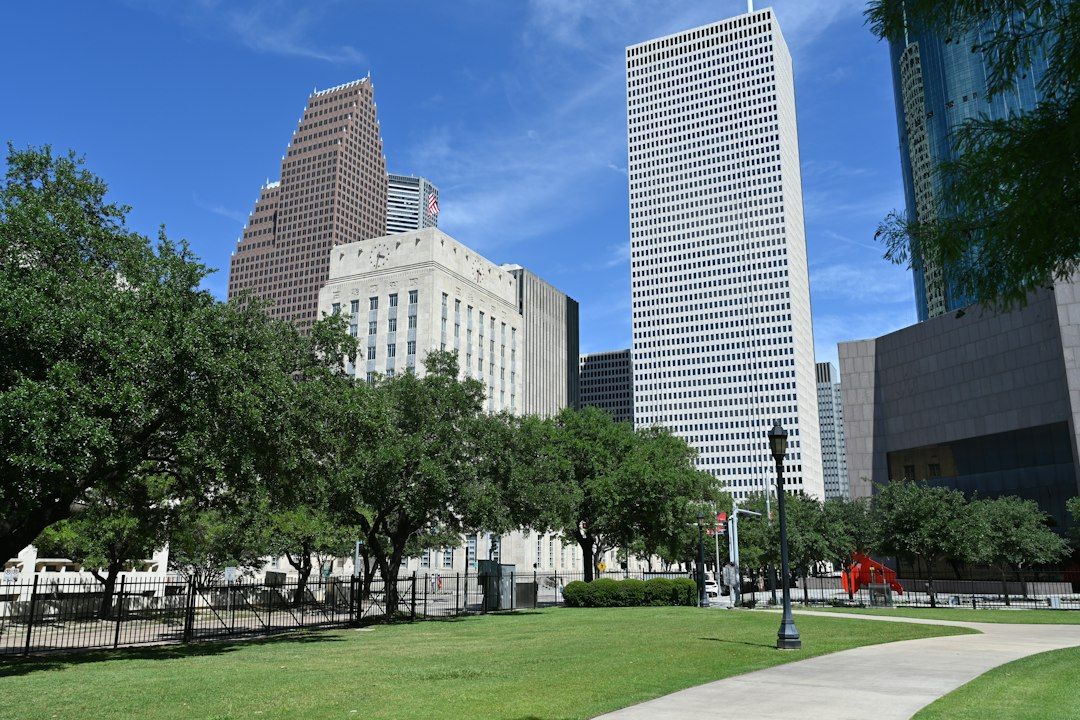
Houston Business Liability Insurance: What “GL” Really Needs to Cover
If you run a small business in Houston, general liability insurance (GL) is often the first policy someone asks you for, even when Texas law does not broadly require it. Landlords want it before they hand you the keys, vendors want it before they let you set foot on-site, and general contractors want it before you touch a job. In other words, liability insurance Houston TX shoppers usually are not just trying to “check a box,” they are trying to keep contracts moving while protecting the business from the most common third-party claims.
From my seat as an independent agent, most Houston-area shops, offices, and contractors start with $1M per occurrence and $2M aggregate, then adjust based on real-world exposures and contract requirements. That limit structure is also widely recognized as the most common choice for small businesses nationally. See Insureon’s overview of how $1M/$2M GL limits work in practice. Insureon’s general liability limits explanation
Why GL Matters More in Houston Than Many Owners Expect
Houston is a high-traffic, fast-moving business environment. That creates opportunity, but it also increases the odds of “everyday” liability issues turning into expensive claims:
- Slip-and-fall and trip hazards in storefronts, lobbies, and parking lots
- Property damage to a landlord’s building (or a customer’s property) caused by your operations
- Advertising injury claims, such as allegations of defamation or improper use of content in marketing
- Products and completed operations exposures, especially for contractors and installers when work fails after the job is “done” GL is designed to cover third-party bodily injury and property damage claims arising out of your premises or your operations, along with legal defense in many situations. It is also the foundation behind most certificate requests, which is why our clients frequently end up reading our guide on Certificates of Insurance (COI) in Texas once the first landlord or GC asks for paperwork.
A quick Houston reality check: contracts can set your “minimum,” not your comfort level
A lot of business owners think “minimum limits” means “the smallest policy available.” In practice, your minimum is often what your lease, customer MSA, or GC agreement requires.
And some trades in Texas have licensing rules with specific GL minimums. For example, the Texas Department of Licensing and Regulation (TDLR) lists commercial liability requirements for air conditioning and refrigeration contractors in 16 TAC §75.40, including per-occurrence and aggregate minimums by license class. Texas Administrative Code 16 TAC §75.40 (June 27, 2025 update)
Typical General Liability Exposures for Shops, Offices, and Contractors in Houston
The “right” GL policy is less about the business label and more about how you actually operate. Here is how exposures typically show up across three common Houston small-business categories.
Retail shops and walk-in service businesses: foot traffic is the exposure
If customers come to you, your biggest GL risks often come from:
-
Wet floors, uneven transitions, loose mats, and crowded aisles
-
Incidents in shared common areas where your lease may still push liability back onto your business
-
Damage to rented premises (think: a small fire, a water overflow, or a contractor you hire causing damage) Common starting point: $1M per occurrence / $2M aggregate, then we look at:
-
How much foot traffic you have per week
-
Whether you do events, demos, or pop-ups
-
Whether the landlord requires higher limits or specific endorsements For many storefronts, bundling GL with property coverage in a Business Owners Policy (BOP) is a practical approach because it aligns liability and property protection in one package. If you are comparing options, our broader Business Insurance section is a good place to start.
Offices and professional spaces: “low hazard” can still mean real lawsuits
Office-based businesses usually have fewer slip-and-fall claims than retail, but that does not mean “no GL needed.” Common office GL issues include:
- A client trips in the lobby or conference room
- You accidentally damage a landlord’s space during buildout or everyday use
- Advertising injury allegations tied to marketing or competitor disputes Where office businesses get tripped up is assuming GL covers professional mistakes. It usually does not. That is where professional liability (E&O) may come into play depending on your services. We often help clients coordinate GL and E&O so there are fewer gray areas.
Contractors in Houston: the policy has to match jobsite realities and paperwork demands
Contractors and trades often face the most scrutiny because a single claim can involve multiple parties on a jobsite. The exposures I see most often include:
- Property damage from your work (or subcontractors you hire)
- Third-party injury at the jobsite allegedly tied to your operations
- Products-completed operations claims after you finish and leave
- Contract requirements for:
- Additional insured status
- Primary and noncontributory wording
- Waivers of subrogation
- Specific completed-ops language and extended time frames That is why contractors should be especially careful with certificates and endorsements. If you are dealing with jobsite paperwork, our articles on COI for Contractors and Construction in Texas and Additional Insured Forms: CG 20 10 vs CG 20 37 can save you time and prevent expensive misunderstandings.
And if you are still sorting out which policies you actually need beyond GL, this guide is a helpful next step: Independent Contractors in Texas: GL vs Professional Liability vs Workers Comp
What Limits Are “Typical” for Houston Small Businesses (and When to Increase Them)
Most small businesses start with $1,000,000 per occurrence and $2,000,000 aggregate because it satisfies many leases and vendor agreements and provides a meaningful cushion for common claims. It is also widely reported as the most common limit selection among small businesses. Insureon on common $1M/$2M limit selection
From an agent’s perspective, here is when I start pushing the conversation beyond the basic limit:
Consider higher limits or an umbrella when:
- You work with large commercial clients that require $2M per occurrence or higher
- You are a contractor doing higher-value projects where completed-ops severity is greater
- You have multiple locations or high customer volume
- Your lease pushes strict indemnity language onto tenants
- You want better protection from “one bad year” where multiple smaller claims stack up against the aggregate Often, the cleanest way to increase protection is not to overbuild the GL policy itself, but to add an umbrella policy that sits over GL (and sometimes over auto and employer’s liability). This is one of those places where a local, independent agent earns their keep because we can compare umbrella availability and pricing across carriers, not just one brand.
Limits are only half the story: endorsements are where Houston businesses get burned
In real life, the claim is not always the part that breaks a business. It is the contract dispute about whether your insurance was “acceptable.” Common endorsement issues we help Houston businesses navigate include:
- Additional insured (ongoing operations vs completed operations)
- Primary and noncontributory wording
- Waiver of subrogation requests
- Per-project aggregates on certain contractor programs
- Claims-made vs occurrence questions (GL is typically occurrence) If you have ever searched general liability insurance agents near me, this is usually what you are really looking for: someone who can read the insurance section of your lease or contract and translate it into the right policy language before you sign.
My Practical Advice for Buying Liability Insurance in Houston, TX
After years of quoting and servicing Houston-area accounts, here is the approach I recommend if you want coverage that actually holds up when something goes wrong:
- Start with your contracts and lease. Do not guess. Bring the insurance requirements page so we can match limits and endorsements.
- Describe your operations like a claim adjuster would. Where do you work? Who enters your premises? What do you touch? What could be damaged?
- Do not ignore completed operations. Contractors and installers should verify it is included and properly rated.
- Plan for certificates of insurance. If you frequently need COIs, set up a process so you are not scrambling before every job. Our walkthrough on How to Read an ACORD 25 Certificate helps business owners catch common issues early.
- Coordinate GL with the rest of your program. Many Houston claims cross policy lines, especially when vehicles, tools, or subcontractors are involved. If you are also trying to keep premiums competitive without cutting coverage to the bone, you may like our broader perspective on using an independent shop to compare carriers: Texas Independent Insurance Agencies: How to Choose the Right Local Partner
Bottom Line: GL Is “Basic,” But It Is Not Simple
General liability is often described as foundational coverage, and it is. But for Houston shops, offices, and contractors, the difference between “having GL” and “having the right GL” usually comes down to details: correct classifications, realistic limits, and endorsements that match your contracts.
When we structure liability insurance Houston TX programs correctly, the goal is simple: you can sign leases, satisfy vendor requirements, and take on better work without worrying that a routine accident or paperwork issue becomes a business-changing financial hit.
BIG - Brock Insurance Group
At BIG - Brock Insurance Group, we help Houston-area small businesses sort through general liability in plain English, then tailor the policy to the real way you operate. As an independent agency, we shop a broad carrier network so you are not stuck with a one-size-fits-all option. Whether you run a retail shop, manage an office, or bid contractor jobs with strict insurance requirements, we will help you choose sensible limits, avoid endorsement surprises, and keep your certificates clean and compliant.
Reach out to learn how we can help protect what matters most in your business. Let’s work together to build a liability plan that fits your contracts, your customers, and your budget.
Need coverage advice? Let’s talk.
Get a fast, no-pressure quote and guidance tailored to your needs.