
When to Use a Fleet Insurance Broker for Texas Commercial Auto Policies
If you insure one or two vehicles, most good agents can handle it. But once you are managing a true fleet in Texas—multiple units, multiple drivers, multiple job sites, and a lot of moving parts—commercial auto stops being a simple purchase and becomes an ongoing program.
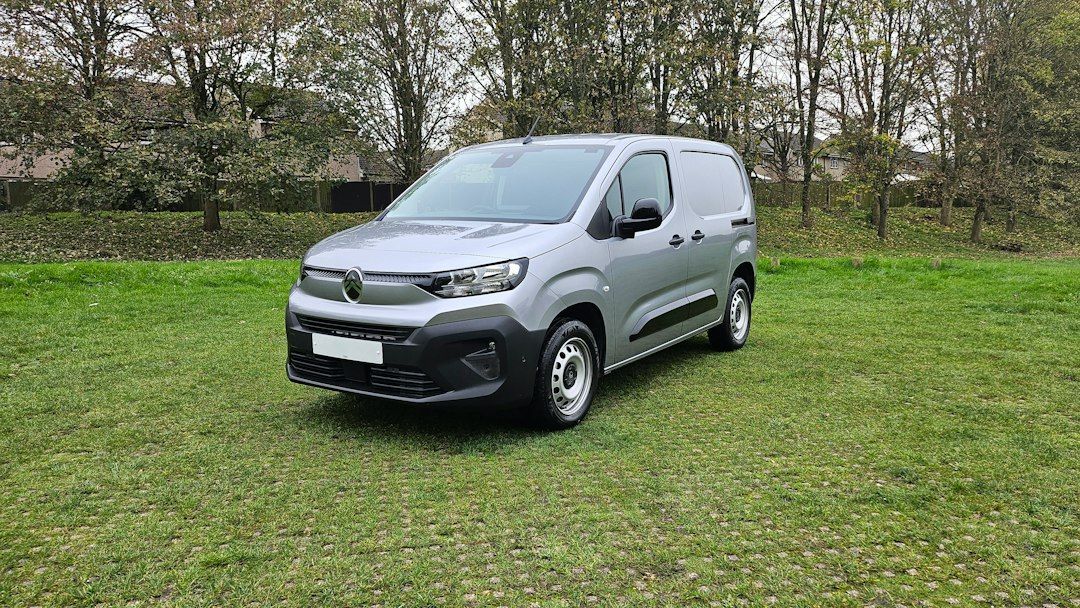
If you insure one or two vehicles, most good agents can handle it. But once you are managing a true fleet in Texas, meaning multiple units, multiple drivers, multiple job sites, and a lot of moving parts, commercial auto stops being a simple purchase and becomes an ongoing program.
That is where a fleet insurance broker earns their keep. A specialized broker is not just shopping a price. They are building an insurance structure that can survive audits, contracts, certificates of insurance (COIs), driver turnover, and claim severity that is still pressuring the commercial auto market. In fact, AM Best reported commercial auto has posted underwriting losses for 14 consecutive years, with roughly $4.9 billion in underwriting losses in 2024. That environment is one reason many carriers have gotten stricter about fleets and why placement is often more nuanced than it used to be. Insurance Journal summary of AM Best’s report
If you have been searching “commercial auto insurance brokers near me,” this article will help you know when you actually need a fleet specialist and what you should expect them to do for you.
Why Fleet Commercial Auto in Texas Gets Complicated Fast
In Texas, fleets often expand before the insurance program does. I see it constantly: a business adds vehicles, hires drivers, starts working for bigger customers, and suddenly the insurance requirements jump overnight.
Here are a few reasons fleet commercial auto becomes complex:
- Mixed use and mixed vehicle types: light pickups, service vans, flatbeds, dump trucks, tow units, or a combination of business auto and motor carrier exposures.
- Driver churn: adding and removing drivers mid-term changes your risk profile and affects pricing and eligibility.
- Contracts and COI demands: additional insured wording, primary and noncontributory requirements, and blanket waiver of subrogation requests can create coverage gaps if your policy structure is not built for it. If COIs are a pain point, our guide on Certificates of Insurance (COI) in Texas is a helpful primer.
- Regulatory filings for certain operations: if you operate in interstate commerce in specific categories, you may need federal filings. The Federal Motor Carrier Safety Administration outlines insurance filing requirements and minimum financial responsibility levels for many for-hire operations. FMCSA insurance filing requirements A fleet broker is especially valuable when your “commercial auto” exposure is no longer just “business auto” in the everyday sense, but a program that includes filings, higher limits, or multi-state operations.
What a Specialized Fleet Insurance Broker Actually Does (That a Generalist Often Cannot)
A good fleet insurance broker is part placement expert, part underwriter translator, part risk manager. Their real value shows up in three places: access, structure, and execution.
1) Access to niche insurers and specialty underwriting teams
Some of the best commercial auto insurance companies for a given fleet are not “best” for every fleet. Carriers tend to specialize: contractor fleets, artisan trades, local delivery, towing, social services transportation, or mixed light and medium truck schedules.
Specialized brokers know:
- Which carriers are actively writing your class right now
- What underwriting data those carriers require
- How to present your fleet to reduce uncertainty for the underwriter That last point matters. In a tough market, uncertainty is expensive. Clean data and a clear story can be the difference between a “decline,” an unaffordable quote, and a competitive offer with workable terms.
2) Building a true multi-vehicle program, not just a policy
Once you reach fleet size, your goal should be predictability. A broker can help set up:
- Consistent vehicle and driver reporting processes (so additions and deletions do not create billing surprises)
- Deductible strategy that matches your cash flow and claim frequency
- Layered limits (when needed) instead of trying to force everything into one carrier appetite
- Hired and non-owned auto (HNOA) when employees use personal vehicles or you rent vehicles for jobs. If that is part of your exposure, see our overview of Hired & Non-Owned Auto: Affordable Options for SMBs. A broker is thinking beyond renewal. They are thinking about what happens after the first loss, the first contract dispute, or the first audit.
3) Managing the operational pain: COIs, endorsements, audits, and claims coordination
Fleets do not fail because they chose the wrong liability limit. They fail because the back office cannot keep up with insurance administration.
A fleet-focused broker should have systems for:
- Fast COIs and correct wording. If you need a refresher on what you are looking at, read How to Read an ACORD 25 Certificate.
- Endorsement review so you do not accidentally agree to contract language your policy cannot support.
- Claims oversight (not replacing your adjuster, but keeping the claim moving and protecting your loss history narrative at renewal)
Clear Signs You Should Use a Fleet Insurance Broker in Texas
If any of these sound familiar, you are past the “quick online quote” phase.
You have 5 plus vehicles and growth is planned
Even a small fleet can trigger different rating approaches. Growth also means mid-term changes, which are where billing errors and coverage gaps often happen.
If you are actively adding vehicles, you may benefit from a broker that understands fleet program mechanics and can recommend the right rating approach.
Your fleet is “mixed” or hard to classify
Examples include:
- Contractor pickups mixed with heavier units
- Any towing exposure
- Any hotshot or long-haul exposure
- Vehicles that cross state lines regularly
- Multiple entities (LLCs) that share drivers or vehicles These are scenarios where niche markets may be a better fit than mainstream carriers.
You need federal filings or operate in regulated categories
If you are subject to federal motor carrier insurance filing requirements, you want a broker who has done it before and can coordinate filings cleanly. FMCSA provides a public overview of minimum insurance requirements and filing forms for many for-hire operations. FMCSA insurance filing requirements
You are getting non-renewed, restricted, or quoted with heavy limitations
In the current market, many fleets are being pushed into:
- Higher deductibles than expected
- Exclusions and restrictive endorsements
- Telematics requirements
- Stricter driver eligibility A broker can help you understand whether the issue is your loss history, your data quality, your operations, or simply carrier appetite.
Your COI requirements are getting intense
When customers ask for additional insureds, primary and noncontributory, waivers of subrogation, or specific language, you want a broker who can spot red flags fast.
For deeper reading, we break down endorsement issues and surprises in Contracts, COIs, and Costly Endorsements: Avoid Surprises.
How a Broker Helps You Evaluate “Best Commercial Auto Insurance Companies” (Without Chasing a Logo)
I understand why business owners search “best commercial auto insurance companies.” But the best carrier on paper is not always the best carrier for your fleet this year.
A broker should help you compare carriers based on:
- Claims handling fit for your operation (downtime matters)
- Coverage form differences (especially around permissive use, employees as insureds, and loading and unloading scenarios)
- Deductible and loss-sensitive options
- Underwriting stability in your class They should also help you keep expectations realistic. With commercial auto still under heavy loss pressure, some pricing and underwriting friction is not “your agent failing.” It is the market. AM Best’s reporting on recent commercial auto underwriting losses helps explain why many carriers are cautious, especially on liability-heavy fleets. Insurance Journal summary of AM Best’s report
Practical Tips for Working With a Fleet Broker (So You Get Better Results)
When a fleet submission is weak, underwriters assume the worst. If you want more options and better pricing, come prepared.
Here is what I recommend having ready:
- Current policy dec pages and endorsements
- Five-year loss runs (or as many years as you can provide)
- Vehicle list with VINs, garaging ZIP codes, and radius of operation
- Driver list with license numbers and dates of birth (as required)
- A short operations description: what you haul, where you run, who your customers are
- Any contract insurance requirements you see repeatedly Also, verify you are working with a properly licensed professional. The Texas Department of Insurance provides tools to verify agent and company licensing. TDI license lookup and company profiles
What I See Work Best for Texas Fleets (Professional Perspective)
After years of quoting Texas commercial auto, here is the pattern: fleets that treat insurance as a “once a year purchase” get hammered at renewal. Fleets that treat it like a program get more carrier interest.
The biggest improvements usually come from:
- Driver screening standards that are consistent (and documented)
- Clear vehicle assignment and usage controls (who drives what, and why)
- Loss response discipline: reporting quickly, documenting well, and fixing the operational cause, not just paying the deductible
- Shopping strategically: not burning the market with sloppy submissions And if you are trying to reduce premium without creating dangerous gaps, our guide on Commercial Auto Cost Factors in Texas Explained pairs well with broker support.
BIG - Brock Insurance Group
If you are searching for commercial auto insurance brokers near me because your fleet is growing, your renewals are getting tougher, or your COI and contract demands are piling up, we can help you get organized and positioned well with the right carriers.
At BIG, we do not believe in one-size-fits-all coverage. We build commercial auto programs around how Texas businesses actually operate, then we shop those programs across a strong carrier network to find the best fit on coverage, claims handling, and long-term stability.
Reach out to learn how we can help protect your vehicles, your drivers, and your business income. Let’s work together to build a commercial auto plan you can manage confidently this year and scale with in the years ahead.
Need coverage advice? Let’s talk.
Get a fast, no-pressure quote and guidance tailored to your needs.