
San Antonio Commercial Insurance for Service Fleets
If you run a contracting or service business in San Antonio, your vehicles are not just transportation. They are rolling job sites, mobile storage units, and often the first thing a customer sees when you pull up. That is why san antonio commercial insurance for service fleets cannot be treated as a standalone “auto policy” purchase.
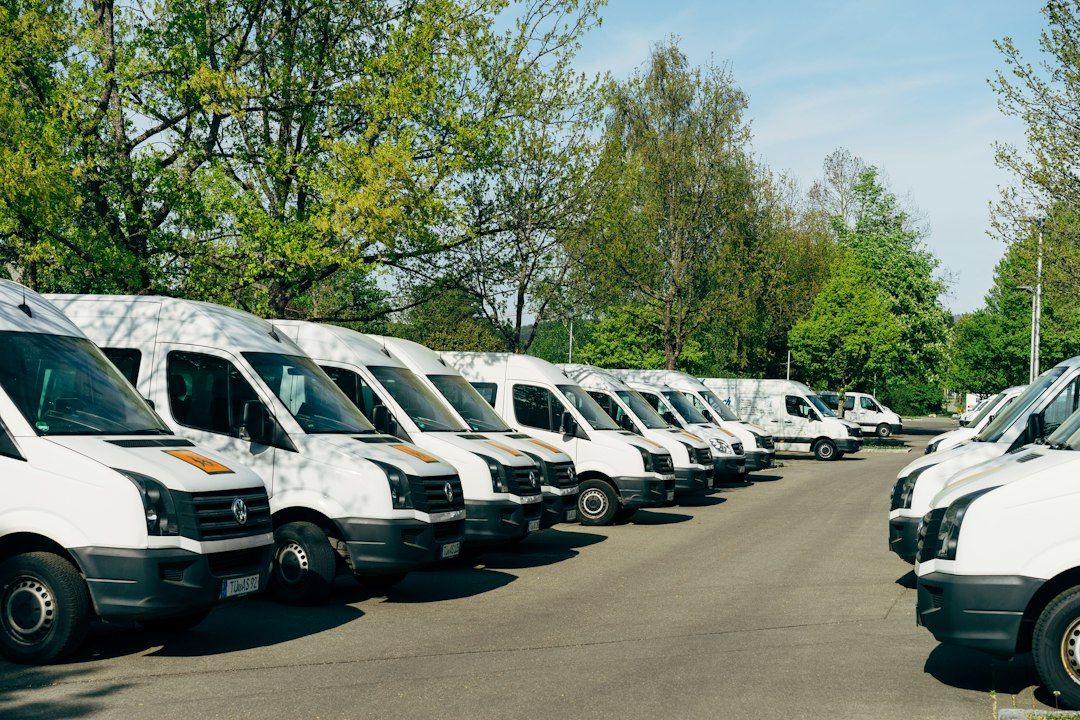
San Antonio Commercial Insurance for Service Fleets: Coordinating Auto, Liability, and Property the Right Way
If you run a contracting or service business in San Antonio, your vehicles are not just transportation. They are rolling job sites, mobile storage units, and often the first thing a customer sees when you pull up. That is why san antonio commercial insurance for service fleets cannot be treated as a standalone “auto policy” purchase.
In my experience as an independent agent, the biggest (and most expensive) coverage gaps show up when commercial auto, general liability, and property insurance are purchased separately with no coordination. The good news: with the right structure, you can reduce overlaps, prevent exclusions from biting you at claim time, and make it easier to satisfy contract requirements.
Why “Commercial Insurance San Antonio TX” Needs a Coordinated Plan for Fleet Based Businesses
Service businesses in San Antonio commonly have a similar risk pattern:
-
Multiple vehicles on the road daily (vans, pickups, service bodies, flatbeds).
-
Employees who drive between jobs, suppliers, and customer locations.
-
Tools and materials stored in trucks overnight.
-
A shop, yard, small warehouse, or office that anchors operations.
-
Contracts that demand proof of insurance before you can start work. The catch is that these exposures do not live neatly inside one policy.
-
Commercial auto is designed for vehicle liability and vehicle physical damage.
-
Commercial general liability (CGL) is designed for third-party bodily injury, third-party property damage, and certain “personal and advertising injury” claims tied to operations. The Texas Department of Insurance describes CGL this way in plain terms, and it is a solid baseline definition for contractors. (See TDI’s overview of commercial general liability insurance.)
-
Commercial property protects your building and business personal property at a scheduled location, and it is often packaged with liability in a Business Owners Policy (BOP) for eligible classes. TDI also notes that commercial property policies are not standardized in Texas, which is exactly why careful review matters. (See TDI’s commercial insurance guidance.) Coordination is about making sure each exposure lands on the policy designed for it, with fewer gray areas.
If you are also comparing how policy structures and carriers differ, you may find our perspective helpful on Texas auto insurance agencies vs big direct brands and why contracting businesses often benefit from advisor-led shopping.
Commercial Auto: The Backbone of a Service Fleet Insurance Program
Commercial auto usually has two big “buckets”:
1) Liability for injuries and damage you cause with a vehicle
Texas personal auto minimum limits are commonly referenced as 30/60/25, but for businesses those minimums are rarely adequate for real-world losses. And if you have any interstate “for-hire” exposure (certain hauling, hotshot operations, or regulated operations), federal requirements can apply.
FMCSA publishes minimum financial responsibility limits for certain motor carriers and operating authority filings. For example, for-hire property carriers (non-hazardous) with vehicles at or above 10,001 lbs GVWR commonly show a $750,000 minimum in the FMCSA chart, and other operations can require more. (See the FMCSA insurance filing requirements chart.)
Even if you are not subject to FMCSA filings, many commercial contracts effectively set the “real minimum” through required limits (often $1M combined single limit or higher). This is where coordination begins: your auto limits should match the types of job sites you enter and the contracts you sign.
2) Physical damage for your own vehicles
This is comprehensive and collision for your fleet. If you have financed vehicles, your lender will care about this. If you have older trucks, you might choose different deductibles, but you still need to consider downtime and replacement timelines.
If you want a deeper look at commercial auto cost drivers, start with our Texas Commercial Auto Insurance Guide and then drill down into commercial auto cost factors in Texas.
General Liability: Covers the Jobsite, Not the Truck Wreck
Here is a clean way I explain it to San Antonio contractors:
- If the loss comes from driving, commercial auto is primary.
- If the loss comes from your operations at the jobsite, CGL is the workhorse. CGL is where slip-and-falls, property damage tied to your work, and many third-party claims typically live. TDI’s definition is a good “north star” for what CGL is intended to do. (TDI CGL overview.)
Two coordination tips I give service businesses all the time:
Make sure “who is an insured” matches how you operate
If you have subcontractors, temporary labor, or multiple named entities, you want your agent to confirm the named insured(s), additional insured endorsements, and waiver language align with your contracts.
If certificates of insurance (COIs) are a pain point, our guide on Certificates of Insurance (COI) in Texas can help you avoid the most common documentation problems that delay jobs.
Watch the auto related exclusions inside CGL
CGL typically excludes auto related liability, which is why you cannot “cheat” and buy only general liability if you have a service fleet. If a claim involves ownership, maintenance, or use of an auto, it generally belongs on commercial auto. Coordination is making sure the auto policy is strong enough to stand on its own.
Commercial Property: Protecting the Shop, the Office, and the Stuff You Store There
Commercial property coverage is where many contractors get surprised, especially when tools and equipment move between the shop, the truck, and the jobsite.
Commercial property generally focuses on physical assets at a scheduled location such as:
- Building (if you own it)
- Business personal property (inventory, furniture, equipment, computers)
- Sometimes business income (loss of income after a covered property loss) A recognizable carrier resource like The Hartford describes commercial property as protection for physical assets such as buildings, equipment, tools (when stored at the premises), inventory, and furniture. (See The Hartford’s commercial property coverage overview.)
The common gap for service fleets: tools in trucks and tools at jobsites
If your tools are primarily “mobile,” you often need an inland marine style tool and equipment solution, not just a basic property form. Otherwise, you can end up in a situation where the property policy expects the items to be at the described premises, and the auto policy does not treat tools as “part of the vehicle.”
This is one of the biggest coordination wins we see for commercial insurance san antonio tx service businesses: clarifying what is covered at the shop, what is covered on the road, and what is covered at the jobsite.
Real World Coordination Scenarios We See in San Antonio
To make this practical, here are a few claim scenarios that show why coordination matters.
Scenario 1: Fender bender plus customer property damage
A tech backs into a customer’s gate while turning around in a driveway.
- The vehicle impact portion is typically commercial auto liability.
- If there is an allegation about operations unrelated to driving (rare in this exact scenario), CGL may be discussed, but auto is usually the right home for the claim. Coordination takeaway: make sure your commercial auto has liability limits that match the homes and neighborhoods you drive into, not just “what is cheapest.”
Scenario 2: Fire at your shop shuts down operations
A small electrical fire damages part of the shop and you cannot operate for two weeks.
- Building and contents are typically commercial property.
- Lost income can fall under business income coverage if included and triggered by a covered cause of loss. Coordination takeaway: confirm the replacement cost values and business income limits are realistic, especially if you are growing.
Scenario 3: Tool theft from a parked service truck overnight
A thief breaks a window and steals several thousand dollars in tools.
- Vehicle damage (window) may be commercial auto comprehensive.
- Tools may not be covered adequately by auto, and may not be covered by property if they are not at the premises. Coordination takeaway: this is where adding the right tool and equipment coverage prevents the “everyone says it is excluded” claim nightmare.
My Practical Advice: Build a Simple “Three Policy Map” Before You Shop
Before you request quotes, I recommend writing out a one-page map:
- Vehicles and drivers: list all vehicles, who drives them, radius, garaging, and any special equipment.
- Operations and contracts: what you do, where you do it, and what your contracts require (limits, additional insured wording, primary and noncontributory, waivers).
- Locations and property: where you store materials, where you park vehicles, where tools live after hours. Then you can shop intelligently and avoid buying mismatched coverage.
If you are currently comparing options, our guide on how independent insurance agencies in Texas help you find the best car insurance plans applies even more strongly on the commercial side, because the “best deal” is usually the one that holds up under contract review and claim pressure.
Closing Thoughts: Service Fleets Need One Coordinated Strategy, Not Three Separate Purchases
The goal of san antonio commercial insurance for contractors and service fleets is not to collect policies. It is to create a coordinated risk plan where commercial auto handles driving losses, general liability handles jobsite and operational claims, and property handles your physical location and stored assets, with endorsements filling the real-world gaps.
When these coverages are aligned, you will usually see fewer certificate issues, fewer contract surprises, and cleaner claim outcomes. And in a market like San Antonio where growth and competition are both real, that kind of stability is a competitive advantage, not just an insurance detail.
BIG - Brock Insurance Group
At BIG - Brock Insurance Group, we help San Antonio contractors and service businesses coordinate commercial auto, general liability, and property coverage so the program works as a single plan, not a set of disconnected documents. We have been doing this in Texas since 2006, and as an independent agency we can shop an extensive carrier network to match your fleet size, trade, and contract requirements.
If you are tired of last-minute COI requests, confusing exclusions, or coverage that does not match how your crews actually operate, reach out. We will review your current policies, talk through your real exposures, and help you build a clearer path forward. Reach out to learn how we can help meet your needs. Let’s work together to achieve your goals!
Need coverage advice? Let’s talk.
Get a fast, no-pressure quote and guidance tailored to your needs.