
Houston Commercial Auto Insurance: Balancing Liability and Physical Damage
If you run vehicles around Houston, you already know the hard truth: risk is not theoretical here. Between tight freeway merges, heavy truck traffic, sudden downpours, and higher-than-average theft exposure, one “cheap” policy decision can turn into a very expensive lesson.
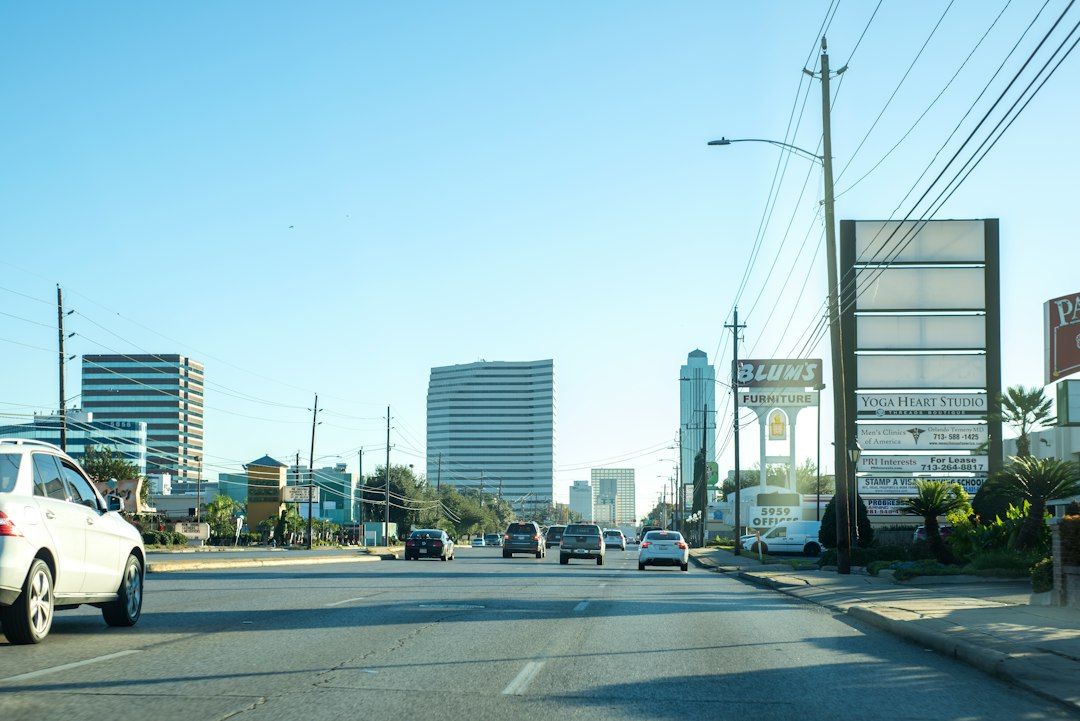
If you run vehicles around Houston, you already know the hard truth: risk is not theoretical here. Between tight freeway merges, heavy truck traffic, sudden downpours, and higher-than-average theft exposure, one “cheap” policy decision can turn into a very expensive lesson.
From my seat as a Texas independent agent, the goal with commercial auto insurance Houston TX is usually not to buy the most coverage. It is to buy the right mix of liability protection (what you may owe others) and physical damage protection (what it costs to repair or replace your vehicles). Houston’s real-world conditions shape that mix more than most business owners expect.
Why Houston-area risk changes how you should build a commercial auto policy
Houston is a high-frequency claim environment for many fleets, and frequency is what quietly drives long-term insurance cost.
Traffic density and delay create “more chances” for accidents
Congestion does not just waste time. It increases exposure: more lane changes, more rear-end crashes, more sideswipes in tight corridors.
The Texas A&M Transportation Institute has reported massive delay in the Houston region. For example, the Houston district recorded 179 million hours of delay in 2024 and about $5 billion in congestion costs. (houstonchronicle.com) Those are not just commuter frustrations. For a business, that translates to more time on the road, more deliveries under pressure, and more accident opportunity.
If you want a deeper explanation of how vehicle use affects pricing, see our guide to Texas commercial auto insurance and the breakdown of commercial auto cost factors in Texas.
Weather volatility raises physical damage and downtime risk
Houston’s weather can turn a normal workday into a claim day fast. Wind events, hail, and flooding do not just damage vehicles. They interrupt operations, especially for contractors, service companies, and delivery businesses that depend on uptime.
Texas also continues to show up as one of the most impacted states for high-dollar weather events over time. (houstonchronicle.com) Even if your vehicles survive, the ripple effect of storm damage across the metro can spike repair timelines and parts costs. That matters when choosing deductibles and physical damage options.
Theft is not just a “personal auto” problem in Houston
Work trucks and vans are targets because they are valuable, mobile, and often loaded with tools. Even when thefts fluctuate year to year, Houston remains a major theft market. The National Insurance Crime Bureau (NICB) has shown the Houston-The Woodlands-Sugar Land area ranking among the top metro areas nationally for theft volume, with 35,119 thefts in 2023 and an increase from 2022 to 2023. (nicb.com)
That theft pressure is one reason we are careful about comprehensive coverage decisions and anti-theft controls.
The two coverages you have to balance: Liability vs. physical damage
Most commercial auto frustrations come from misunderstanding what each side is meant to do.
Liability coverage: protecting your business when you damage others
Liability is the core of commercial auto. If your driver causes an accident, liability helps pay for the other party’s injuries and property damage.
Texas has a minimum auto liability requirement commonly called 30/60/25 (even though commercial exposures often need much higher limits). The Texas Department of Insurance explains this minimum as:
- $30,000 bodily injury per person
- $60,000 bodily injury per accident
- $25,000 property damage per accident (tdi.texas.gov) In Houston traffic, multi-vehicle accidents are not rare, and modern vehicle repair costs can overwhelm $25,000 quickly. In practice, for most businesses, the conversation is not “Do we meet the minimum?” It is “What limit actually protects the balance sheet if something goes wrong?”
If you want help making the limit decision without guesswork, our article on deductibles and limits for commercial auto pairs well with this topic.
Physical damage: protecting your vehicles (and your ability to keep working)
Physical damage usually means:
-
Collision: your vehicle is damaged in an at-fault or single-vehicle accident.
-
Comprehensive: theft, vandalism, hail, flood, falling objects, animal hits, and other non-collision losses. In Houston, physical damage choices are heavily influenced by three realities:
-
Stop-and-go congestion increases collision frequency.
-
Weather events can create clustered comprehensive claims.
-
Theft risk makes comprehensive hard to ignore on higher-value units. If you are trying to control premium, the lever is often your deductible strategy. But I caution clients: a deductible should be “painful but survivable,” not “so high it forces you to delay repairs and lose revenue.”
Practical Houston-based examples: what “good balance” can look like
Every fleet is different, but these are patterns we commonly see around Houston.
Example 1: A contractor with 3 pickups and tool-heavy bed setups
What usually matters most:
- Higher liability limits (because you are on job sites and busy roads)
- Comprehensive coverage with realistic deductibles (theft and storm risk)
- Clear documentation of upfits and permanently attached equipment so you are not surprised at claim time This is also where contracts come into play. If you are providing certificates for GCs or property managers, you may need endorsements or limit requirements that affect your pricing. Our guide on Certificates of Insurance (COI) in Texas can help you avoid last-minute surprises.
Example 2: A delivery business with high mileage and multiple drivers
What usually matters most:
- Liability and driver controls (because frequency risk is high)
- Consistent vehicle maintenance and driver screening to reduce claims
- Considering tools like telematics or dashcams for accountability and potential savings If you are exploring that route, see Telematics and dashcams for commercial fleets and our overview of telematics and usage-based insurance in Texas.
Example 3: A small service company debating dropping physical damage on older vans
What we typically analyze:
- Actual cash value (ACV) of each vehicle versus your cash reserves
- How quickly you could replace the vehicle after a total loss
- Whether you can absorb a theft or hail loss without stalling operations Dropping physical damage can be rational on low-value units, but in Houston it is rarely an “across the board” decision. It is usually a vehicle-by-vehicle call.
My field advice: how to choose the right mix (and avoid the common mistakes)
Here is what we focus on when structuring commercial auto insurance Houston TX for real businesses.
1) Start with the worst-case liability scenario, not the cheapest premium
Texas minimum limits may satisfy legal requirements, but they can be economically fragile for a business. (tdi.texas.gov) If a serious injury claim exceeds your limit, the remaining exposure does not disappear. It can land on the business.
2) Treat physical damage as an “uptime decision”
Physical damage is not just about fixing dents. It is about keeping revenue moving after:
- A collision on I-10, 610, or Beltway 8
- A theft overnight
- A hail or flood event that sidelines multiple vehicles
3) Align deductibles with cash flow and repair reality
A high deductible looks good until you have two losses in the same quarter. I would rather see a deductible that you can confidently pay immediately, so the vehicle gets repaired quickly and the claim process stays clean.
4) Control the controllables: drivers, routes, parking, and theft deterrence
Houston theft and congestion are bigger than any one business, but you can still reduce loss frequency:
- Strong hiring and MVR (motor vehicle record) standards
- Clear vehicle-use rules
- Secure parking expectations
- Trackers, immobilizers, and tool inventory practices Small operational changes can make your loss history look better over time, and that affects renewals more than most people realize.
Closing thoughts: Houston coverage should be built for Houston reality
A commercial auto policy should match the roads your drivers actually use and the risks your vehicles actually face. In the Houston area, that means respecting congestion exposure, preparing for weather-driven damage, and taking theft risk seriously.
When liability and physical damage are balanced correctly, you are not just buying insurance. You are buying continuity: the ability to keep serving customers after something goes sideways.
BIG - Brock Insurance Group
At BIG - Brock Insurance Group, we help Houston-area businesses build commercial auto coverage that fits how they operate in the real world. As an independent agency, we can compare options across an extensive carrier network and explain tradeoffs clearly, especially when you are weighing liability limits, physical damage deductibles, and theft and weather exposures.
If you are shopping commercial auto insurance Houston TX or you are unsure whether your current policy would actually respond the way you expect, we are happy to review it with you and point out gaps, contract issues, and cost-saving opportunities that do not gut protection.
Reach out to learn how we can help meet your needs. Let’s work together to achieve your goals!
Need coverage advice? Let’s talk.
Get a fast, no-pressure quote and guidance tailored to your needs.