
Getting Commercial Auto Insurance Quotes for Texas Contractors
If you are a Texas contractor, getting “a quick quote” for trucks, vans, and trailers is easy. Getting an accurate quote that holds up after underwriting is the real goal. Most premium surprises happen when the carrier learns something important late, like a different garaging address, a bigger radius, a heavier truck, a rougher driving history, or a contract requirement you forgot to mention.
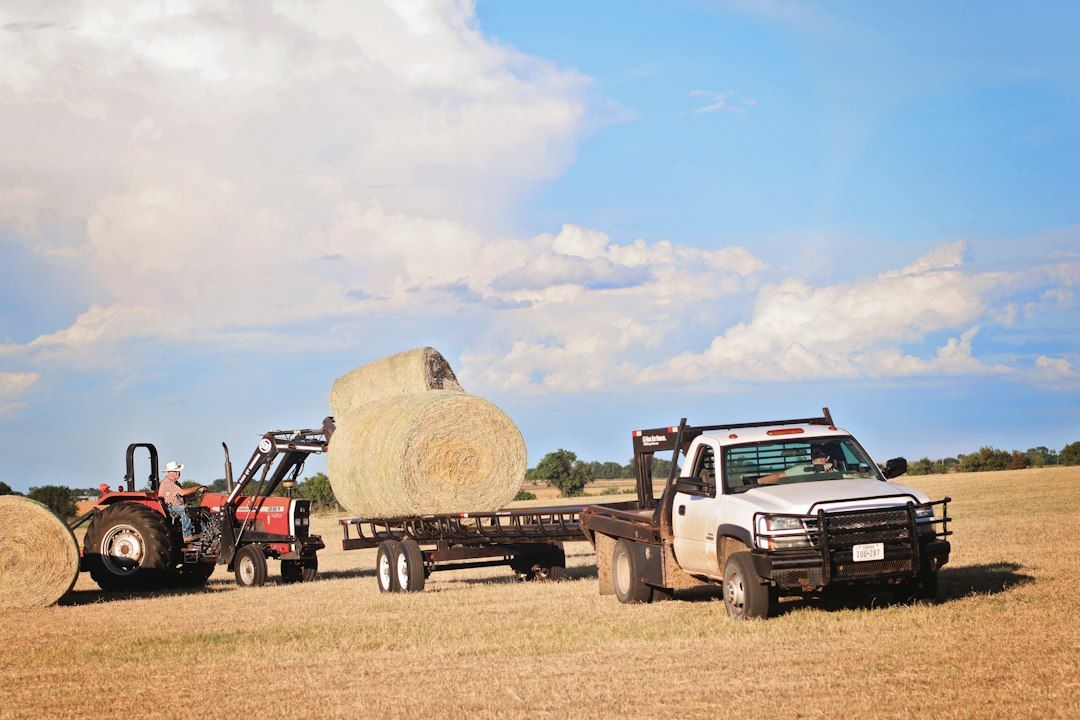
If you are a Texas contractor, getting “a quick quote” for trucks, vans, and trailers is easy. Getting an accurate quote that holds up after underwriting is the real goal. From an agent’s seat, most premium surprises happen for one reason: the carrier learns something important late (a different garaging address, a bigger radius, a heavier truck, a rougher driving history, or a contract requirement you forgot to mention).
Texas also requires minimum liability limits for vehicles (often shown as 30/60/25). That minimum can satisfy the legal requirement, but it is rarely enough for contractors who are pulling trailers, running job sites, and driving in traffic with expensive property around them. The Texas Department of Insurance spells out the state minimum as $30,000 per injured person, $60,000 per accident, and $25,000 property damage. That is why the “information-gathering” stage matters so much. It helps us match coverage to real job risk, not just meet a checkbox. (Texas Department of Insurance consumer guide)
Why contractor auto quotes go sideways (and how to prevent it)
Contractor vehicles are rated on more than just “pickup vs van.” Carriers price based on exposure, meaning how often you drive, where you drive, what you haul, who drives, and where the vehicles sleep at night.
A few realities we see daily across Texas:
- Garaging address matters. A truck garaged at a home in one ZIP code can price differently than the same truck garaged at a yard across town.
- Radius matters. Many rating plans break radius into buckets (commonly local, intermediate, long distance). Misstating radius is one of the fastest ways to trigger a mid-term premium change.
- Trailers create hidden liability. The trailer itself can be inexpensive, but what it does to your risk (towing, backing, load securement, heavier braking) can change the quote.
- Contract requirements matter. Jobs that require higher limits, hired and non-owned auto, or additional insured type endorsements (often coordinated with your general liability) can force coverage decisions that impact price. If you are also managing certificate demands, our guide on Certificates of Insurance (COI) in Texas can help you get ahead of that paperwork. If you want better bids from carriers, the fastest path is to bring the right info upfront.
The quote checklist: what Texas contractors should provide
Below is what we ask for when quoting commercial auto insurance for contractors. If you bring this in one clean package, we can typically quote faster and with fewer “revisions later.”
1) Business details (so the carrier classifies you correctly)
Carriers want to understand what you do because “contractor” can mean very different risk profiles.
Have ready:
- Legal business name, DBA, FEIN, and years in business
- Entity type (sole prop, LLC, corporation)
- Primary trade(s): HVAC, electrical, plumbing, roofing, concrete, framing, painting, landscaping, handyman, GC, etc.
- Typical job types: residential, commercial, municipal, industrial
- Any specialty exposures: hot work (welding/torch), work at heights, heavy equipment hauling, hazardous materials (even small quantities can matter) This classification feeds directly into the rating. It is also where we decide whether you need only auto, or whether bundling into a business owners policy (BOP) plus auto makes more sense. If you are reviewing package options, see Texas Business Owners Policy (BOP) Guide.
2) Vehicle schedule (the heart of accurate contractor quotes)
For each truck or van, provide:
- Year, make, model, VIN
- Vehicle type and use (pickup, cargo van, flatbed, service body, box truck)
- Gross vehicle weight rating (GVWR) if you have it, or at least the model configuration
- Ownership: owned, leased, financed
- Any permanent modifications: racks, toolboxes, lifts, specialty beds, ladder racks (these can impact physical damage value)
- If it is titled to the business or personally owned but used for business (important distinction) Why it matters: a carrier cannot reliably price a work truck without knowing exactly what it is. “2021 Ford F-250” is not enough. Trim, GVWR, and VIN-level details reduce re-quotes.
3) Trailer details (do not guess here)
Trailers are often where contractors accidentally under-report exposure. Provide:
- Trailer type: utility, enclosed, equipment, dump, gooseneck, etc.
- VIN (if available), year, and value
- How it is used: tools only, equipment hauling, materials, debris
- Typical towed vehicle(s) Even if the trailer itself is cheap, the carrier still cares because towing changes loss patterns. If you run multiple rigs, it can be worth discussing whether your setup needs broader coverage coordination (auto, inland marine for tools, and general liability).
4) Driver information (every regular driver, not just “employees”)
From an underwriting standpoint, “who drives” is often as important as “what is driven.”
Be ready with:
- Full name, date of birth, license number/state
- Years of experience driving commercial or work vehicles
- Any major violations or at-fault accidents (typically 3 to 5 years is reviewed, depending on carrier)
- Employee vs owner vs 1099 (and whether you allow permissive use) Real-world tip from our agency experience: if you have one rough MVR (motor vehicle record) driver, we can sometimes isolate that driver to specific vehicles or roles, but only if we know about it early. Hiding it just delays the inevitable and wastes quoting cycles.
If you are building a safer fleet culture, discounts may be available through technology. Our article on Telematics & Dashcams: Earn Savings, Reduce Claims explains what carriers usually look for.
5) Garaging location and radius (the most commonly misstated items)
Carriers rate where vehicles are principally garaged and how far they “regularly” travel.
Have ready:
-
Exact garaging address for each vehicle (yard, shop, home address)
-
Primary operating radius
-
Counties or metro areas you frequently work in (DFW, Houston, Austin, San Antonio, Permian Basin, coastal counties) Many rating plans use radius categories like:
-
Local: up to 50 miles
-
Intermediate: 51 to 200 miles
-
Long distance: over 200 miles These buckets can change the premium significantly, especially when the “principal garaging” address changes from a business yard to a driver’s home. (ISO-based rating guidance example)
6) Mileage and usage (how the trucks actually get used)
Contractor vehicles are often dual-purpose: jobsites, supply house runs, estimates, and occasional personal use. Carriers want the truth.
Provide:
- Estimated annual miles per vehicle
- Typical daily driving pattern (jobsite to jobsite, or mostly parked)
- Whether any vehicles are taken home at night
- Whether you tow regularly, and how often If you are unsure, we can help you estimate, but a consistent estimate is better than a random guess that changes later.
7) Coverage limits and contract requirements (this is where “cheap” can get expensive)
When we build contractors commercial auto insurance, we start with the contracts you sign, not just the minimum you can buy.
Bring:
- Any bid specs or insurance requirements from customers or GCs
- Required liability limits (common requirements are $1M combined single limit or higher)
- Any requirement for:
- Hired and non-owned auto (HNOA) if you rent trucks or employees use personal vehicles for business errands
- Additional insured wording (often on GL, but the contract language matters)
- Waiver of subrogation or primary/noncontributory (usually GL, but can affect your overall program) To understand how endorsements and COI wording can create surprise costs, read Contracts, COIs, and Costly Endorsements: Avoid Surprises.
8) Loss history (what happened, what changed)
Most carriers will ask for loss runs (claims history) for the past several years for prior commercial auto policies.
Be prepared to share:
- Prior carrier(s) and policy periods
- Claims with dates, amounts, and descriptions
- What you changed afterward (driver policy, backing procedures, dashcams, parking arrangements) As an agent, we can often tell a better story to underwriting if we know the “lesson learned,” not just the number.
A quick word on why pricing has been tough in commercial auto
Contractors feel the squeeze because commercial auto has been a difficult line for insurers, especially on the liability side. Industry reporting based on S&P Global Market Intelligence results shows commercial auto still running an overall combined ratio over 100% in 2024, with commercial auto liability around 113%. That is a key reason underwriting has stayed tight and why carriers ask more questions, not fewer. (Insurance Journal summary of S&P Global MI data)
In plain English: details matter because carriers are trying to price risk accurately, and they are less willing to “assume” what your operation looks like.
My practical advice: how to get better quotes (and fewer headaches)
If you want the quote process to be smoother, here is what I recommend contractors do before shopping:
- Create a clean vehicle and trailer schedule and keep it updated monthly.
- Write down your true operating radius for each rig, even if it is different by crew.
- Decide your “must-have” coverage items (higher liability limits, physical damage deductibles you can tolerate, HNOA needs).
- Treat certificates and contracts as part of the quote, not an afterthought. If you regularly need proof of insurance, our step-by-step on Get a COI Fast in Texas: Same-Day Steps can save time.
- Ask about deductible strategy instead of only asking “what is the cheapest premium.” For many contractors, a higher physical damage deductible can stabilize premiums without gutting liability protection. See Deductibles & Limits: Balance Protection and Price. Most importantly, be consistent. Underwriters hate contradictions. If the application says “local radius,” but your website shows statewide projects, you will get follow-up questions.
Final take: accurate quotes start with accurate inputs
Getting solid commercial auto insurance for contractors in Texas is not about filling out more forms. It is about giving the underwriter a clear picture of your trucks, vans, and trailers so the policy matches how you really operate.
When you provide vehicle details, driver info, garaging and radius, trailer usage, and contract requirements upfront, you get:
- Fewer re-quotes
- Fewer coverage gaps
- Fewer mid-term premium surprises
- A better chance at competitive options across multiple carriers That is the difference between a quote that looks good today and a policy that still makes sense when you have a claim tomorrow.
BIG - Brock Insurance Group
At BIG - Brock Insurance Group, we have been helping Texas families and businesses protect what matters most since 2006. As an independent agency, we shop across an extensive carrier network so you are not stuck with one company’s appetite for contractor risk.
If you are ready for contractors commercial auto insurance quotes that are built on real job details, not assumptions, let us help you put the right information together and present it properly to underwriters. Reach out to learn how we can help meet your needs, reduce surprises, and keep your crews moving. Let’s work together to achieve your goals!
Need coverage advice? Let’s talk.
Get a fast, no-pressure quote and guidance tailored to your needs.