
Houston Auto Insurance Quote Comparisons: Neighborhood and Commute Impacts
If you have ever compared quotes with a friend across town and wondered why their price is hundreds of dollars different from yours, you are not alone. In Houston, where you live and how you drive are two of the biggest hidden drivers of price, and insurers see very different risks across the city.
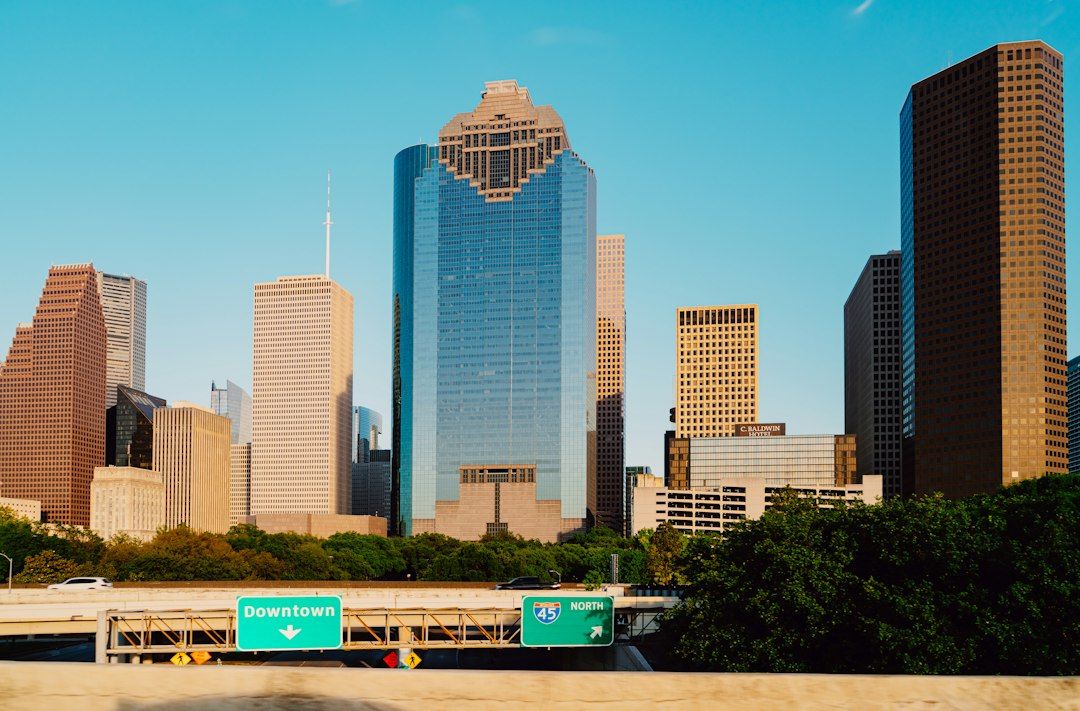
How your Houston neighborhood and commute shape your car insurance quote
If you have ever compared quotes with a friend across town and wondered why their price is hundreds of dollars different from yours, you are not alone. In Houston, where you live and how you drive are two of the biggest hidden drivers of price. From crash-heavy freeways to flood-prone streets and long suburban commutes, insurers see a very different risk in Katy than they do in Midtown or the East End. In this guide, I will break down how neighborhoods and commuting patterns affect houston car insurance rates and what to look for when you compare offers side by side.
Houston car insurance rates: the big picture
As an agent who has worked with Houston drivers for years, I can tell you that car insurance rates in houston texas are shaped by a few big forces that insurers watch closely.
First, traffic and crash frequency. According to the Texas Department of Transportation, Harris County consistently reports more crashes than any other county in the state. More vehicles on the road, more congestion, and more serious collisions all point to higher claim costs. Insurers build that history into their pricing for auto insurance rates houston tx, especially in zip codes that sit along busy corridors like I‑10, I‑45, I‑69, 610, Beltway 8, and the Grand Parkway.
Second, theft and vandalism. Companies use crime and comprehensive claim data by area. If your neighborhood has a history of vehicle thefts, catalytic converter losses, or break‑ins, the comprehensive part of your premium will usually be higher. That can create noticeable differences even between nearby neighborhoods.
Third, weather and catastrophe risk. Houston’s mix of hurricanes, flooding, hail, and severe thunderstorms raises the odds of large, costly events. While flood damage to your car is usually covered under comprehensive (not flood insurance), carriers still have to be careful about how they price in low‑lying or coastal areas.
If you want a deeper breakdown of these factors, our guide to understanding Houston car insurance rates when you shop for top‑rated plans walks through the main rating variables carriers look at across the city.
Finally, legal and medical costs matter. When injury claims and medical treatment costs are high in a region, liability premiums follow. That is part of why car insurance rates in houston texas typically come in higher than many smaller Texas cities.
The important point: even if you never had an accident, your price is still tied to how people around you drive, how many claims occur nearby, and what it costs to fix vehicles and pay claims in your part of town.
Key neighborhood and commute factors that change auto insurance rates in Houston TX
1. How Houston neighborhoods show up in your quote
Insurers do not officially price by “neighborhood names,” but they do price by zip code and sometimes by smaller territories. That is why two addresses only a few miles apart can see very different auto insurance rates houston tx.
Common neighborhood‑level factors include:
- Crash density: Areas close to major interchanges, freight routes, or congested surface streets tend to have more fender‑benders and serious collisions.
- Claim severity: If past claims in a zip code tend to involve expensive repairs or injury payouts, pricing reflects that.
- Garaging conditions: Parking in a secure garage at home or at work is generally lower risk than parking on the street or in unsecured lots.
- Crime patterns: Higher rates of theft, vandalism, and hit‑and‑run incidents show up as higher comprehensive and sometimes higher liability costs. A practical example I often see:
Two drivers with clean records and similar vehicles, one in a denser, higher‑crime part of town near multiple freeways, the other in a quieter suburban area with fewer claims. The first driver may face higher comprehensive and liability premiums strictly because of the local loss history, even before we factor in commute miles.
Our broader Texas Car Insurance Quotes Guide explains how Texas carriers build these “territories,” and our article on how profile and ZIP code change your price shows what that can look like statewide.
2. Commute length, route, and vehicle use
Next comes how you actually use your vehicle. When I run quotes, I always ask about:
-
Daily commute distance in miles
-
Days per week you commute
-
Primary routes (freeway vs surface streets)
-
Time of day you normally drive
-
Whether the car is used for business, deliveries, or rideshare Why it matters:
-
More miles means more exposure. A 40‑mile round‑trip commute, five days a week, puts you in harm’s way much more than a 5‑mile commute or mostly remote work.
-
Freeway heavy vs neighborhood heavy. Some studies from groups like the Insurance Institute for Highway Safety show high‑speed crashes are more severe, while congested city traffic creates more frequent but lower‑speed claims. Carriers factor both patterns into their models.
-
Business use raises risk. If you use your vehicle for sales calls, service visits, or light delivery, that is a different risk profile from pure personal commuting. Two quick case‑style scenarios I see often:
-
A Heights or Midtown resident who mostly walks or works from home, with short evening and weekend driving, will often see lower annual mileage assumptions and may qualify for “pleasure use” pricing.
-
A Pearland or Cypress homeowner commuting to the Texas Medical Center or Downtown daily, often in rush hour, will usually be rated as “commute use” at higher mileage, which pushes the premium up.
3. Weather, flood, and parking risks across greater Houston
We all know Houston can see flooding even far from mapped floodplains. For autos, insurers look at:
- How often comprehensive claims (hail, flood, falling objects, storm damage) occur in an area
- Whether vehicles are routinely parked in garages, under cover, or on streets that tend to flood If you live or work in an area known for street flooding during heavy rain, you may see higher comprehensive premiums. On the flip side, drivers who can honestly report secure, covered parking at both home and work sometimes see a small pricing advantage.
Expert tips for a smarter texas auto insurance quotes comparison
Most people shop by price alone, but in a complex city like ours, that can be risky. Here is how I recommend Houston drivers approach a texas auto insurance quotes comparison so they get a fair read on offers from different companies.
1. Make the quotes truly apples to apples
Before you compare numbers, make sure every quote uses:
- The same liability limits (for example, 100,000 per person / 300,000 per accident / 100,000 property damage)
- The same deductibles for collision and comprehensive
- The same coverage options:
- Uninsured and underinsured motorist
- Personal Injury Protection (PIP) or Medical Payments
- Rental car reimbursement
- Roadside assistance Even small changes here can make one quote look cheaper while actually leaving you with weaker protection. Our article on minimum vs full coverage in Texas explains how coverage levels affect both price and protection.
2. Check the commuting and garaging details on every quote
This is where Houston‑specific differences show up fast. On each quote, verify:
- Annual mileage: Carriers typically use mileage bands. If one quote assumes 6,000 miles a year and another assumes 15,000, the second will be higher.
- Use type: Make sure each company is rating the car the same way (pleasure, commute, or business).
- Garaging address: Always use the address where the car actually stays overnight. A wrong zip code can skew auto insurance rates houston tx dramatically.
- Parking details: If you park in a private garage or secure parking at work, make sure that is correctly indicated. If something looks off, ask the agent to correct it and rerun the quote. Otherwise, you are not really comparing the same risk.
3. Look beyond price to long‑term value
In a big urban market, the cheapest policy on day one is not always the best deal over several years. When you compare houston car insurance rates, also consider:
- Claims handling reputation and local support
- Availability of local adjusters or shops that know Houston roads and conditions
- Accident forgiveness or vanishing deductible features
- How the company treats minor at‑fault accidents or speeding tickets when they happen Our piece on keeping Houston car insurance affordable with discounts and driving habits covers many of the discounts and behaviors that help long term, especially for commuters.
4. Use a local, independent agent to shop multiple companies at once
Houston is one of those markets where working with a local independent agency really does help. Instead of repeating your information on five different websites, a good agency can:
- Run multiple quotes across several top carriers at once
- Adjust commute, mileage, and coverage assumptions consistently
- Explain why one company priced your neighborhood or commute differently than another
- Help you decide whether to raise deductibles or change limits to balance cost and protection If you are debating between direct online brands and local agencies, our article on independent auto insurance agents in Houston walks through when local expertise really pays off, and using a Texas auto insurance agency to shop multiple quotes at once explains how the process works.
Final thoughts for Houston drivers
Location and commuting patterns are some of the biggest reasons auto insurance rates houston tx feel inconsistent from one person to the next. Insurers are not just pricing your driving; they are pricing the traffic, weather, and claim patterns all around you, plus how far and when you drive every week.
When you understand how your neighborhood, parking, and commute show up in the rating system, you gain real control. You can adjust coverage intelligently, ask better questions, and compare quotes in a way that protects your family instead of just chasing the lowest number.
If you take one thing from this article, let it be this: treat your quote as a story about your risk, not just a bill. The more accurate and complete that story is, the fairer your houston car insurance rates are likely to be.
BIG - Brock Insurance Group
At BIG - Brock Insurance Group, we work with Houston drivers every day who are frustrated by confusing rate changes and wildly different quotes. Our job is to translate the industry language into clear options you can actually compare. We start by understanding your neighborhood, commute, and vehicles, then build side‑by‑side proposals from multiple companies so you can see exactly what you are paying for and why.
If you are ready to see how your own area and driving habits affect car insurance rates in houston texas, we are here to help. Reach out to learn how we can help meet your needs. Let’s work together to choose the right coverage, manage your costs, and keep you protected wherever Houston traffic takes you.
Need coverage advice? Let’s talk.
Get a fast, no-pressure quote and guidance tailored to your needs.