
Conroe, TX Insurance Snapshot: Lakefront Homes and Auto Coverage
Living in Conroe has a very specific feel: lake days on Lake Conroe, new neighborhoods popping up fast, and a lot of folks pointing the car south to work in Houston. Those lifestyle perks are exactly why insurance in Conroe is not a one size fits all conversation.
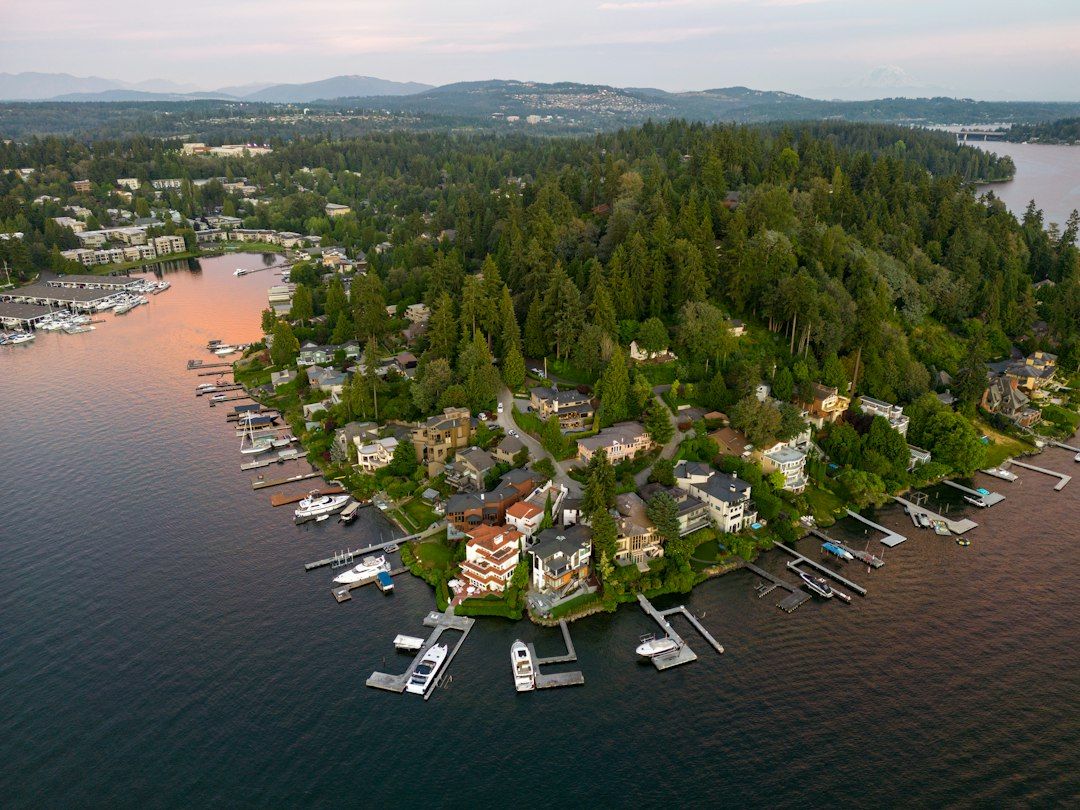
Living in Conroe has a very specific feel: lake days on Lake Conroe, new neighborhoods popping up fast, and a lot of folks pointing the car south to work in Houston. Those lifestyle perks are exactly why insurance Conroe TX is not a one size fits all conversation. Lakefront property changes how you think about flood and wind exposure, rapid growth can affect replacement cost and claim frequency, and commuting increases the odds you actually use your auto policy.
From my seat as a Texas independent agent, the goal is simple: make sure your coverage matches how you really live, not just what a quote form assumes.
Why Conroe coverage feels different than “regular” Houston suburbs
Conroe has been on a growth curve for years, and that matters because insurance pricing and underwriting are heavily influenced by what is happening around you: new construction, traffic density, storm loss trends, and how expensive it is to rebuild.
A few forces shaping coverage decisions right now:
- Fast population and development growth: Conroe has more than doubled in population since 2010, which is a major shift in a short time. (abc13.com)
- Storm driven losses across Texas: Severe storms are a repeated, measurable loss driver in our region, and NOAA continues to log billion dollar severe weather events impacting Texas. (ncei.noaa.gov)
- Home insurance pricing pressure statewide: Texas Department of Insurance (TDI) data shows insurers have filed notable average homeowners rate changes in recent years, including elevated increases in 2023 and 2024 (and still positive in 2025). (tdi.texas.gov) In plain English: when a community grows and the cost to repair homes and cars rises, premiums usually follow. That does not mean you are powerless. It means you need to shop intelligently and structure coverage intentionally.
If you want a broader baseline first, I recommend starting with our guide on property insurance in Texas and how home, rental, and commercial policies differ.
Key insurance considerations for lakefront homes near Lake Conroe
Lakefront living is a dream, but it introduces exposures that inland homeowners often miss until after a claim. Here are the big ones I walk through with Conroe clients.
1) Flood insurance: do not assume your homeowners policy handles it
Most homeowners are surprised to learn that flood damage is generally not covered by a standard homeowners policy. If your home is near the lake, a creek, or a low lying area that holds water during heavy rain, flood insurance deserves a serious look.
Also, flood insurance is not only for people “in a flood zone.” FEMA notes flood insurance is available even outside high risk areas, and your risk is not a simple yes or no. (fema.gov)
Practical lakefront takeaway:
- If you have a mortgage and your home is in a Special Flood Hazard Area (SFHA), flood insurance may be required by the lender.
- Even outside an SFHA, I often see lake area homeowners buy flood coverage because water events can still happen and FEMA assistance is limited and not guaranteed. For Conroe homeowners comparing coverages and deductibles, our deeper dive on comparing Texas homeowners insurance policies can help you spot gaps before you sign.
2) Wind and hail: understand your deductible before the storm hits
In Montgomery County, most homeowners policies include wind and hail coverage, but the deductible structure can be very different from the “all other perils” deductible. TDI’s consumer guidance explains that for most of Texas (away from the coast), wind and hail are typically part of the homeowners policy, often with a separate wind/hail deductible. (tdi.texas.gov)
What I see in real life:
- A client chooses a low $1,000 deductible and assumes that applies to hail, then discovers their wind/hail deductible is 1% or 2% of the dwelling coverage.
- On a $400,000 dwelling limit, a 2% wind/hail deductible is $8,000 out of pocket. If your home is lakefront with higher rebuild cost, that percentage deductible can be a big number. It is worth reviewing annually.
3) Replacement cost and “code upgrades” matter more in fast building markets
Conroe’s growth means plenty of homes are newer, but it also means labor and materials can move quickly. The two areas I focus on are:
- Dwelling replacement cost: make sure your limit is based on rebuild cost, not market value.
- Ordinance or law coverage: helps when a partial loss requires upgrades to meet current building codes. This is one of those spots where an independent agent can add real value, because we are not just finding a price. We are checking whether the policy form and endorsements match the property.
For a broader perspective on how independent agencies help Texans coordinate coverage, see how independent insurance agents in Texas coordinate property, auto, and life.
Conroe TX auto insurance: growth and commuting change the math
When someone asks me about Conroe TX auto insurance, I usually respond with another question: “How often are you on I-45, and at what times?” Commuting frequency and driving environment are huge rating factors, but they also affect what coverages you actually need.
1) Commuting to Houston increases exposure, not just mileage
A longer commute means more time around dense traffic, which means more chances for:
-
Rear end collisions in stop and go conditions
-
Windshield and road debris claims
-
Uninsured motorist situations If you commute daily, I strongly prefer reviewing:
-
Liability limits (protect your income and assets)
-
Uninsured and underinsured motorist (UM/UIM) coverage
-
Rental reimbursement and towing, because downtime matters when you rely on the vehicle for work If you are unsure whether you are buying “minimum” coverage or real protection, start with minimum vs. full coverage in Texas.
2) Rate changes are real, but you can still shop smart
Premiums have been volatile statewide. TDI has published statewide average rate change data showing personal auto rate changes by year, including a positive average change in 2024 and a smaller positive change in 2025. (tdi.texas.gov)
That is one reason I recommend avoiding set it and forget it renewals. The best rate this year might not be the best next year, especially if your household adds a teen driver, changes vehicles, or moves into a different ZIP code in the Conroe area.
If you want a framework for comparing carriers without getting whiplash from marketing, our article on Texas auto insurance agencies vs. big direct brands is a good next read.
3) Consider telematics if your driving habits are strong
For some Conroe drivers, usage based insurance can be a legitimate savings tool, especially if you drive off peak, avoid hard braking, and keep speeds reasonable. It is not for everyone, but it is worth discussing as rates rise.
Learn how it works in Telematics and usage-based insurance in Texas.
My practical checklist for Conroe households (lakefront or commuting)
When we build a plan for a Conroe family, these are the questions I ask to keep coverage aligned with reality:
- Are you on or near Lake Conroe, a creek, or a drainage path that floods during heavy rain?
- Do you have a separate wind/hail deductible, and is it a flat dollar amount or a percentage?
- Is your dwelling limit based on rebuild cost, and have you updated it in the last 12 months?
- How many days per week do you commute into Houston, and do you rely on your vehicle for income?
- Are your liability limits high enough that one bad accident does not turn into a financial crisis? A good insurance plan is not the cheapest plan. It is the plan that still works when the claim happens.
Closing thoughts: Conroe is growing, and your insurance should keep up
Conroe’s growth, lake lifestyle, and Houston commute patterns are exactly why cookie-cutter policies fall short here. Lakefront homeowners need to be intentional about flood exposure and wind and hail deductibles. Commuters need to treat auto coverage as a true risk management tool, not just a legal requirement. And everyone benefits from reviewing replacement cost, deductibles, and policy endorsements at least once a year as the market shifts.
If you have not looked at your policies since you moved to Conroe or since your commute changed, it is probably time. Small adjustments now can prevent expensive surprises later.
BIG - Brock Insurance Group
At BIG - Brock Insurance Group, we help Conroe families and small businesses make confident insurance decisions without the confusion. As an independent Texas agency, we can compare options across a wide carrier network, then tailor coverage around what actually drives your risk: lakefront exposure, storm deductibles, rebuild cost, and that daily run down I-45.
If you want, we will review your current home and auto policies side by side, explain what is covered and what is not, and outline a few clear options at different price points. Reach out to learn how we can help meet your needs. Let’s work together to achieve your goals!
Need coverage advice? Let’s talk.
Get a fast, no-pressure quote and guidance tailored to your needs.