
Auto Insurance in Round Rock, Texas: Commuters and Contractors
If you drive in Round Rock, you already know the routine: stop-and-go on I-35, fast merges near SH-45 and 620, and plenty of construction zones. For many of my clients here, their vehicles do double duty: weekday commute into Austin and weekend trips between job sites. That mix of heavy interstate miles and job-site driving changes how you should structure your coverage.
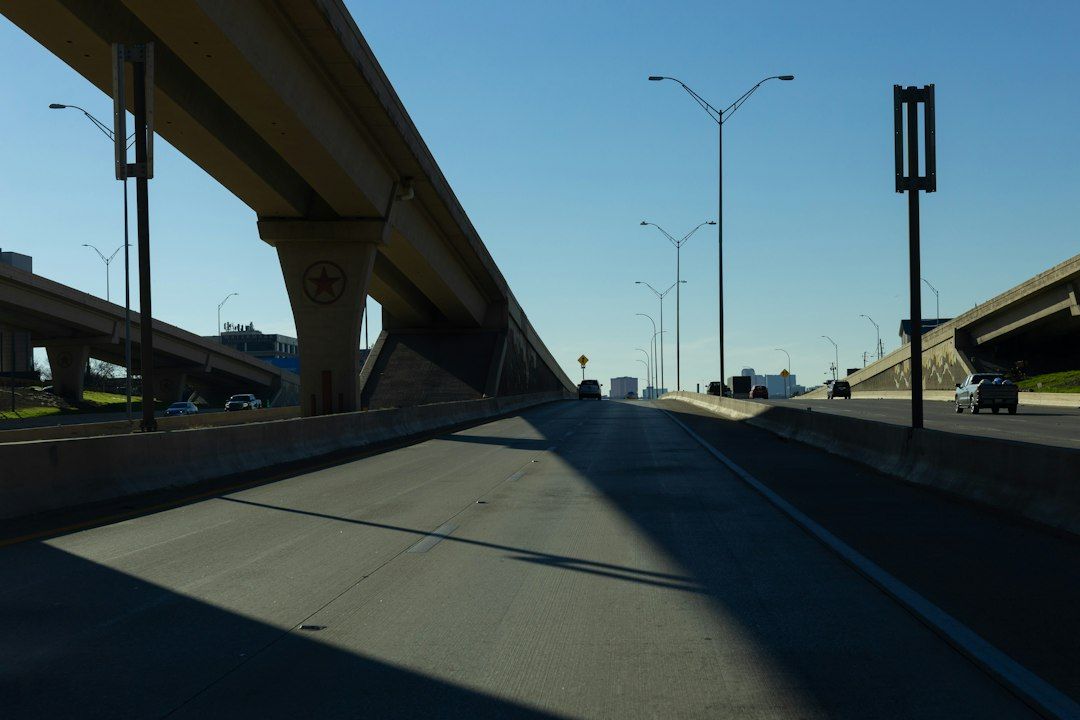
Why Round Rock commuting and contracting change your auto insurance
If you drive in Round Rock, you already know the routine: stop-and-go on I-35, fast merges near SH-45 and 620, and plenty of construction zones. For many of my clients here, their vehicles do double duty: weekday commute into Austin and weekend trips between job sites.
That mix of heavy interstate miles and job-site driving changes how you should structure your coverage. The right auto insurance in Round Rock is not just about finding a low price. It is about matching your policy to how you actually use your vehicle so an accident at 7 a.m. on I-35 or at a construction site at 3 p.m. is properly covered.
Below is how I typically walk Round Rock commuters and small contractors through that process.
The Round Rock driving reality: why usage matters for insurance
Round Rock sits in the heart of the Austin metro, one of Texas’s more congested corridors according to public data from the Texas A&M Transportation Institute and TxDOT. That has a few important implications for your auto policy.
1. High-mileage commuting on I-35 and toll roads
Many Round Rock drivers:
-
Commute daily to Austin or other nearby cities
-
Spend long stretches on I-35, SH-45, or 130
-
Deal with rush-hour congestion, rear-end risks, and frequent lane changes Insurers look closely at:
-
Annual mileage
-
Primary use (commute vs pleasure)
-
Territory (where the car is garaged and driven) If your policy says “pleasure” use and 6,000 miles a year but your car is your daily workhorse, you are rated as a lower risk than you really are. That can create claim headaches if the company later discovers the mismatch after a serious accident.
2. Contractors and trades constantly on the move
Round Rock has a large community of:
-
Home remodelers
-
Electricians, HVAC, and plumbers
-
Landscapers and lawn crews
-
Small construction subs and handymen These folks often:
-
Haul tools, ladders, or trailers
-
Visit multiple job sites daily
-
Have employees or helpers driving their trucks That is very different from a simple “drive to the office and back” pattern. Once you cross into true business use, you often need commercial auto rather than a personal policy. The Texas Department of Insurance (TDI) and most carriers are very clear that personal auto policies are not designed for many business exposures.
If you are not sure which side you are on, my rule of thumb is simple: if your truck or SUV is key to how you earn income, you should at least explore commercial options.
For a helpful overview of statewide rules and basics, I often send Round Rock drivers to our guide on **Texas auto insurance requirements**.
Building smarter auto insurance in Round Rock for commuters
When I sit down with a Round Rock commuter, we start with three questions:
- How far and how often do you drive?
- What would it cost you financially if you caused a serious wreck?
- How quickly do you need to be back on the road after a loss? From there, we build the policy.
Choose liability limits that match I-35 risk
Texas minimum liability is 30/60/25. On crowded interstates with expensive vehicles around you, that can disappear quickly.
For most Round Rock families, I recommend looking at:
- Bodily injury liability: at least 100/300 (often 250/500 if budget allows)
- Property damage liability: 100 or higher Higher limits are surprisingly affordable once you are past the minimum. If you own a home, have savings, or simply do not want to be personally dragged into a lawsuit after a major pileup, this is money well spent.
To see how limits change price and protection, you can compare scenarios in our **minimum vs full coverage in Texas guide**.
Protect yourself from uninsured and underinsured drivers
In Texas, you can buy:
-
Uninsured/Underinsured Motorist (UM/UIM) coverage
-
Personal Injury Protection (PIP) or Medical Payments With dense traffic in the Austin-Round Rock area, I consider UM/UIM essential. It helps when:
-
The other driver has no insurance
-
They only carry minimum limits and those limits are not enough
-
You or your passengers are injured A lot of real-world Round Rock claims I see are “clean” clients hit by someone who is either uninsured or badly underinsured. UM/UIM is how you avoid being stuck with medical bills or lost wages because someone else cut corners.
Collision and comprehensive for heavy-use commuters
If your car or truck is:
- Financed or leased, or
- Something you cannot easily replace out of pocket Then collision (accidents) and comprehensive (hail, theft, vandalism, animals) matter.
Round Rock and the broader Central Texas region see:
-
Hail and windstorms
-
Dense parking lots near big employers and shopping centers
-
Plenty of highway debris I usually help clients balance:
-
Deductible size (higher deductible = lower premium, but more out of pocket)
-
Vehicle age and value (sometimes dropping collision but keeping comprehensive as a car ages) If you put serious miles on your car, I often suggest adding:
-
Roadside assistance for breakdowns on 35
-
Rental reimbursement so a repair does not leave you without a way to get to work For high-mileage commuters, our guide on **affordable car insurance in Austin for high-mileage commuters** is very applicable to Round Rock as well.
Consider telematics and usage-based discounts
Many Texas carriers now offer telematics or usage-based programs that use a phone app or plug-in device to reward safer driving and lower mileage with discounts.
They can be a strong fit for:
- Round Rock residents who commute outside of peak hours
- Folks with flexible or hybrid work schedules
- Drivers who are confident in their braking, speeding, and late-night driving habits If you are curious how these programs really work and when they save money, take a look at our guide on **telematics and usage-based insurance in Texas**.
Structuring auto insurance in Round Rock for contractors and trades
Contractors in Round Rock often come to me with a personal policy and a truck loaded with tools, a trailer, and magnetic signs on the doors. That setup might have worked when they did handyman work on weekends, but not once it becomes their full-time business.
Here is how I walk them through it.
Personal auto vs commercial auto: which do you actually need?
Insurance companies pay close attention to:
-
Vehicle type (pickup, cargo van, box truck, etc.)
-
Weight and modifications (ladder racks, toolboxes, service beds)
-
How often the vehicle visits job sites
-
Whether employees or helpers drive it
-
Whether the vehicle has logos or permanent signage You typically need commercial auto if:
-
Employees drive your vehicles
-
You regularly haul tools, equipment, or a trailer to job sites
-
You are required to show proof of commercial auto limits in a contract
-
The truck is titled to your business entity Commercial policies can provide:
-
Higher liability limits to satisfy general contractor or municipality contracts
-
Coverage for a broader range of business uses
-
Flexible options like symbols 1, 8, and 9 (any auto, hired, non-owned) depending on the carrier For a deeper look at how these policies work and are priced, I recommend our **Texas commercial auto insurance guide**.
Hired and non-owned auto: what if employees use their cars?
Many Round Rock contractors think, “I do not own any vehicles in the business, so I do not need commercial auto.” But then:
- A helper drives their own car to pick up materials
- A crew member uses a personal truck to haul tools to a site If they cause an accident on your business errand, the injured party may come after your company as well as the driver.
In those situations, a hired and non-owned auto endorsement or policy can be crucial. It typically:
- Sits on top of employees’ personal policies
- Protects your business if it is named in a lawsuit We walk through these options in more detail in our guide to **hired and non-owned auto for small businesses**.
What auto insurance does NOT cover for contractors
A lot of contractors are surprised to learn:
-
Tools, materials, and equipment in your truck are usually not covered by auto insurance
-
Those items are typically insured under inland marine or contractor’s equipment policies
-
Damage you cause to a client’s property is usually a general liability claim, not auto That is why I almost always talk to contractors about pairing:
-
Commercial auto
-
General liability
-
Equipment coverage Our **Texas commercial general liability guide** and the **Texas Business Owners Policy (BOP) guide** are helpful starting points if you are growing beyond “one truck and a ladder” and into a real operation.
Contracts, job sites, and COIs
Larger builders and property managers in the Round Rock and Austin areas often require:
-
Specific auto liability limits
-
Certificates of Insurance (COIs)
-
Proof of hired and non-owned coverage Getting the correct auto insurance in Round Rock is not just about protection. It can also be what allows you to:
-
Bid on bigger jobs
-
Work at commercial sites
-
Comply with city, county, or GC requirements That is one of the biggest jumps I see when a contractor moves from “side work” to “growing business.”
Pro tips from a Texas agent: controlling cost without cutting protection
A big part of my job is helping Round Rock drivers get the coverage they actually need at a price that still fits the budget. Here are strategies that consistently work.
1. Be honest about how you use the vehicle
Trying to save money by listing:
- “Pleasure use” instead of commuting, or
- “Personal only” while running a business can backfire if a serious claim is investigated. Carriers expect accurate information. It is almost always better to structure the right type of policy and then look for legitimate discounts.
If you are shopping and want a framework to compare options fairly, our **Texas car insurance quotes guide** is a good resource.
2. Bundle personal and business where it makes sense
If you:
-
Own a home in Round Rock or nearby
-
Have multiple cars or trucks
-
Run a small business
-
Carry a personal or commercial umbrella policy You can sometimes earn:
-
Multi-policy discounts
-
Multi-vehicle discounts
-
Loyalty or claim-free pricing perks Bundling is not always the cheapest in every case, but it is a strong starting point. We can run the numbers both bundled and unbundled and see which is better.
3. Adjust deductibles strategically
For higher-mileage commuters and contractors, I often suggest:
- Keeping a manageable collision deductible (for example, 500 or 1,000) so you will actually use the coverage if you need it
- Considering a slightly higher comprehensive deductible in exchange for meaningful savings, especially if hail and glass claims are rare for you personally The key is matching the deductible to what you could comfortably write a check for without disrupting your household or business cash flow.
4. Use telematics and safe-driving discounts wisely
Telematics and safe-driver programs can help Round Rock drivers who:
-
Avoid late-night driving
-
Keep speeds moderate
-
Do not brake hard or accelerate aggressively They are not a good fit for:
-
Heavy late-night or bar-area driving
-
Drivers with frequent hard stops in dense traffic In other words, they can lower your auto insurance Round Rock premium if your real habits match what insurers like to see.
5. Review your policy every 12 to 18 months
Life in Round Rock changes quickly:
-
New job location
-
New construction projects or contracts
-
Kids getting licensed and driving your vehicles
-
Moving from an apartment to a house Each of these can change:
-
How far you drive
-
Who is behind the wheel
-
What is at risk financially if something goes wrong A quick annual review keeps your policy aligned with real life instead of how it looked two or three years ago.
Bringing it together for Round Rock drivers
Whether you are a Dell commuter fighting traffic on I-35 or a contractor rolling from one job site to the next, your vehicle is central to your livelihood in Round Rock. That means your insurance cannot be a generic “copy-and-paste” policy.
The right setup for auto insurance in Round Rock should:
- Reflect real commuting or business mileage
- Carry liability limits that match your assets and risk
- Cover the people who actually drive your vehicles
- Support your business goals if you are a contractor or tradesperson When you structure coverage around how you truly use your car or truck, an accident becomes an inconvenience, not a financial crisis.
BIG - Brock Insurance Group
At BIG - Brock Insurance Group, we work with Round Rock families, commuters, and small contractors who need their vehicles to work as hard as they do. Because we are an independent Texas agency, we are not tied to a single carrier. We can compare multiple companies to find the mix of price, coverage, and claims service that actually fits your situation, whether that is a long I-35 commute, a fleet of work trucks, or a single pickup that does both.
If you are unsure whether you need personal, commercial, or a mix of both, we are happy to walk through your day-to-day driving and show you clear options. Reach out to learn how we can help meet your needs. Let us work together to structure the right protection for your commute, your jobs, and your future. Go BIG, Save BIG.
Need coverage advice? Let’s talk.
Get a fast, no-pressure quote and guidance tailored to your needs.